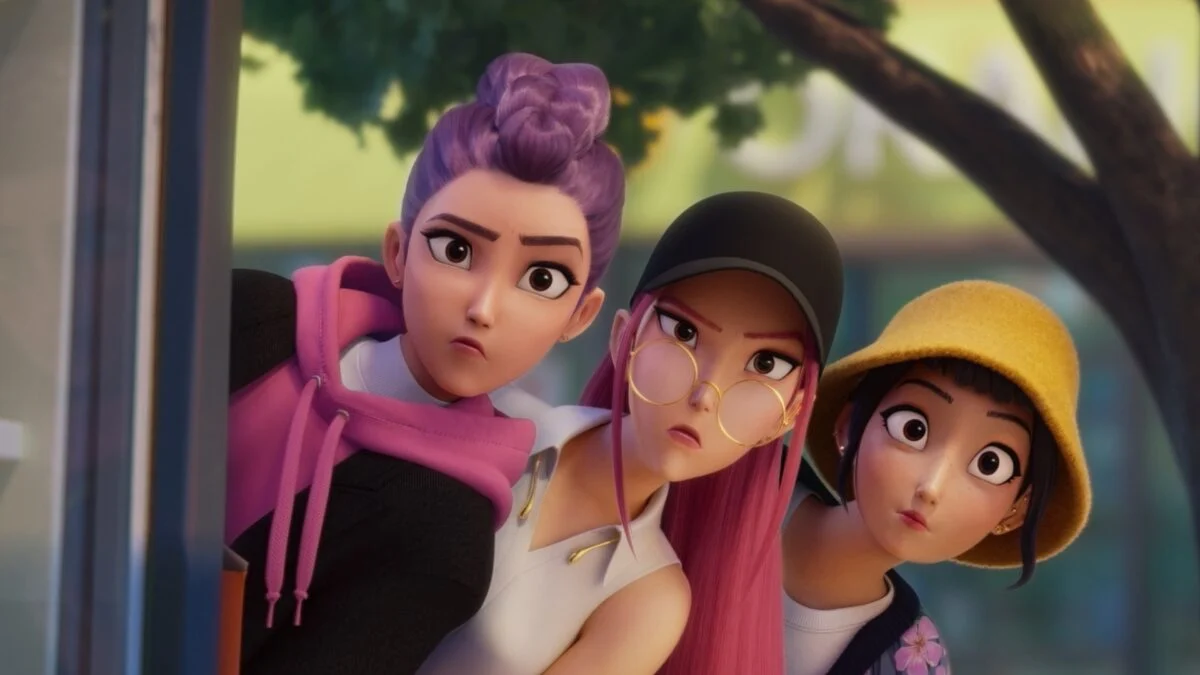
The six of them sat under bright lights and thinner nerves than the world saw on screen. Tension hummed in the air — a live wire ready to snap. When their voices folded together, you felt how private fights had become public victory.
I read the Variety sit-down the way I read confessions: attentive and slightly greedy. You already know the headlines — Oscar-nominated Netflix smash, streaming records, soundtrack dominance — but the joint interview let the people behind Rumi, Mira, and Zoey tell the quieter parts of that story.
On a panel table littered with coffee cups: what the audition war stories reveal
They traded callbacks like trading cards, and some tales reached back years. Arden Cho admitted she originally auditioned for Celine, not Rumi, a reminder that casting is as much luck as craft. I heard EJAE, Audrey Nuna, May Hong, Rei Ami, and Ji-young Yoo describe persistence the way athletes describe reps: boring, brutal, necessary.
Their anecdotes are small instruction manuals for anyone who ever felt pushed to the margins. Auditions become training grounds; rejections become rehearsal footage for the self you’re trying to become.
What is KPop Demon Hunters about?
It’s a movie about pop superstars who hunt demons by night and perform by day — equal parts genre spectacle and personal allegory. The film folds celebrity trappings into stories of mental strain, ambition, and sisterhood, which is why its soundtrack exploded on platforms from Spotify to Billboard and why fans stayed after the credits.
At a table where laughter met grief: how the cast mirrored the film’s fight scenes
They spoke plainly about the metaphorical beasts they’ve faced — critics, typecasting, and the small humiliations that pile up. Rei Ami’s line about telling herself “You are that shit” is not hyperbole; it’s a rehearsal mantra for self-preservation in public life.
EJAE closed the loop: the struggle made the art truer. When you sing the hard parts, they resonate. When you say the hard lines, they land. Their careers became a double-edged sword wrapped in silk: beautiful, lucrative, and capable of opening old wounds.
Who voices the main characters?
The film’s spoken and singing roles split across six performers: Arden Cho and EJAE for Rumi, May Hong and Audrey Nuna for Mira, Ji-young Yoo and Rei Ami for Zoey. Variety gathered all six for this first-ever joint interview, which is notable for how candid each person was about setbacks and survival.
Outside a theater that still smells of popcorn: why audiences keep coming back
People returned not for spectacle alone but for recognition. Cho put it well: the movie shows that you can be powerful and vulnerable at once, which is a rare emotional honesty in pop spectacle. That honesty is a connector — you, me, and millions of viewers who streamed the film, streamed the soundtrack, and sent it up the charts.
Streaming platforms and industry coverage — Netflix, Variety, Billboard, and Spotify — amplified that connector into momentum. The result is attention that converts into nominations, ticket spikes, and, for the artists, new bargaining power in a business that has historically asked them to shrink.
Is there a sequel planned?
The cast and press have teased a follow-up, but no release date has been pinned down. The interview leaves the timeline deliberately vague — a tease that keeps fans checking updates on Netflix and trade outlets for the next announcement.
Read the full conversation at Variety to track every personal line and admission, and if you’re curious where the healing sits in your own story, what will you do about it?