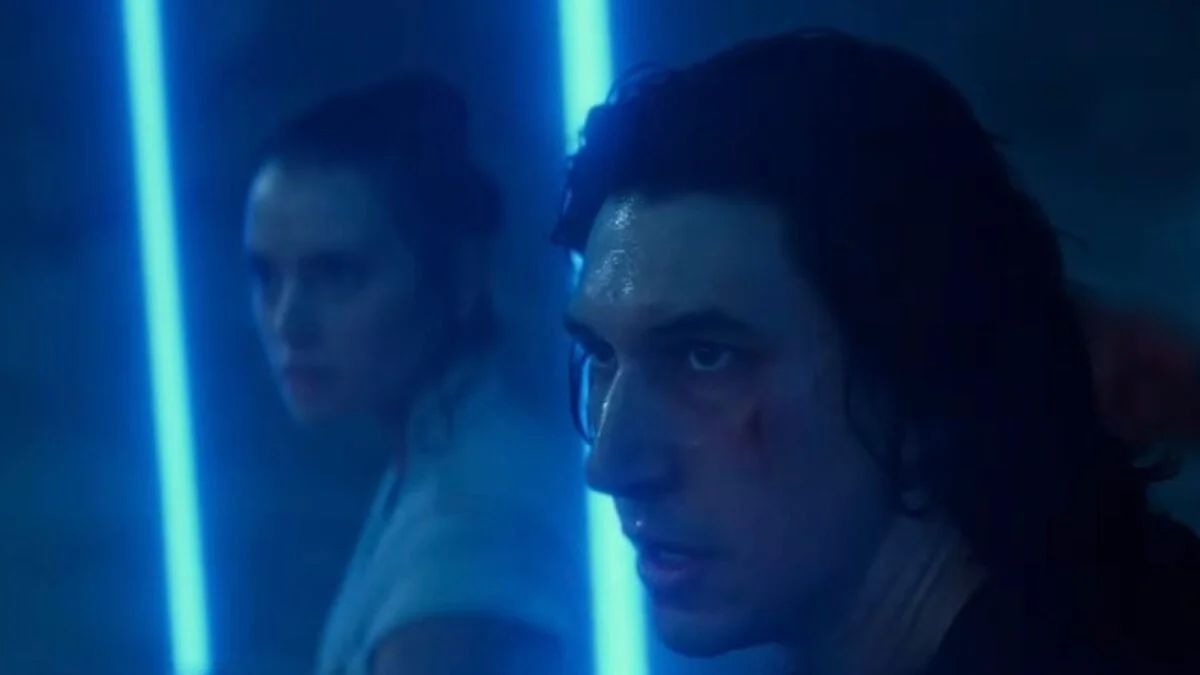
I sat in the dark and the director said, “I thought the next two years of my life were going to be spent making a Star Wars movie.” You can feel the pause—two years of planning folded into a line like a script that never left the page. For Steven Soderbergh, disappointment arrived with the bluntness of a studio memo and the weird intimacy of a conversation between collaborators.
I’ve followed set stories for decades; you learn to read the rustle of agency press releases as if they were stage directions. Soderbergh—an Oscar winner whose résumé includes Traffic and Ocean’s Eleven—is not peddling grievance. He’s cataloging a clear loss: two and a half years of creative labor with Adam Driver and writer Rebecca Blunt, now shelved.
The public moment: Kathleen Kennedy announced her exit, and the conversation shifted
At a post-announcement interview, the air cleared enough for Soderbergh to speak plainly. He told Brooklyn Magazine that Disney told them, in effect, “We don’t think Ben Solo could be alive.” That was the line they were given; that was the line he and Driver accepted and moved beyond.
There’s a practical ledger behind every studio “no”—budgets, release windows, brand calculus—but this rejection didn’t wear those clothes. It felt strategic and oddly selective from a company that had just resurrected a villain as big as Emperor Palpatine. The months they spent scripting became cigarette smoke—visible, pungent, gone.
Why was Soderbergh’s Star Wars movie cancelled?
You want the short answer: Lucasfilm and Disney decided the premise didn’t fit their public storytelling aims. Soderbergh and Driver were told the single line about Ben Solo’s fate and the project stopped. You can argue whether the decision was editorial, corporate, or both, but the outcome was the same: a completed private film in minds and drafts, and no production greenlight.
A practical reaction: he wrote four scripts to get back to work
When doors close, a director with his muscle moves the camera elsewhere. Soderbergh said he told himself, “You better start getting some shit generated so you can go back to work,” and then wrote four new scripts.
I’ve seen filmmakers do this: creative momentum is a survival skill. The film exists now as a ghost light on a dark stage—an object that confirms someone rehearsed the shape of it, even if no audience will sit for the performance.
Will Soderbergh and Adam Driver ever make the Ben Solo movie now?
There’s chatter—new leadership at Disney with CEO Josh D’Amaro, and Lucasfilm presidents Dave Filoni and Lynwen Brennan have taken different public stances—but studio leadership changes are not a rewind button. You can imagine a scenario where Soderbergh and Driver are invited back, and you can also imagine how many variables must align: corporate strategy, release slates, and the appetite of a company that has spent years reshaping its Star Wars roadmap.
The human ledger: two and a half years of creative labor is what it was
He called it “free work” for him, Driver, and Blunt—time that created value in ideas but didn’t convert to a finished film. That phrasing matters. It’s both a lament and an accounting term: you paid in hours and got only the experience of making, not the reward of showing.
For anyone who’s ever collaborated with a big institution—agents, platforms, studios—this will feel familiar: your best work can be accepted in private and rejected in public.
There’s a temptation to treat this as gossip: executives moved, a project died, end of story. But these are also credibility plays—Soderbergh’s name, Adam Driver’s star, and Lucasfilm’s brand all function as signals. When two artists spend years on a story and a corporation declines it for a single-sentence reason, that’s a punchline with a bruise.
What did Kathleen Kennedy say about the decision?
She expressed frustration publicly, and Soderbergh echoed a similar tone—he didn’t want Driver to speculate about motivation; he wanted the record to show what happened and no more. That restraint is itself a message: sometimes the only honest statement is the one that names the action and stops trying to explain it.
If you follow film politics—Brooklyn Magazine, industry pages, trade outlets—you’ll notice patterns: films are proposed, defended, and sometimes folded for reasons that have nothing to do with the talent attached. Soderbergh’s account pulls the curtain a bit wider on that reality, and it leaves you with an uncomfortable question about creative labor and corporate taste.
So where does that leave you as a fan, a critic, or someone who tracks how films get made? It leaves you watching leadership moves at Disney and Lucasfilm, listening for signals from Filoni, Brennan, and Josh D’Amaro, and scanning Adam Driver’s projects for signs that this story might return to the table.
Do you think a film born from two and a half years of private collaboration deserves a second chance in public?