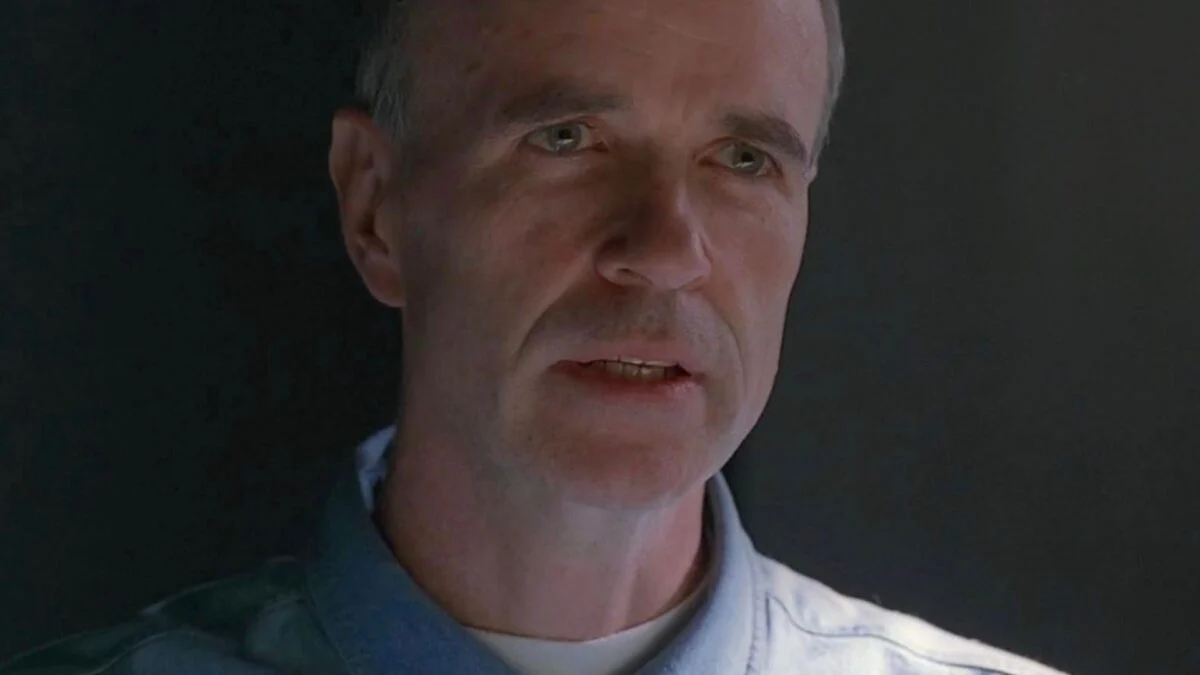
I was twelve at a midnight screening when Tom Noonan’s Frankenstein reached slowly toward the kids on the screen. He moved like a gentle freight train: slow, inevitable, and capable of sudden ruin. When I heard he had died at 74, the loss landed with a hush I could not shake.
On a crowded matinee bench: Tom Noonan, Frankenstein of The Monster Squad, dies at 74
I remember the first time you saw him — not the wide-eyed villain of cartoons, but a giant who wanted only to be seen. I write from the conviction of someone who grew up stealing glances at monsters, and Noonan taught me that monsters can be tender and terrifying at once. His Frankenstein was a small mercy in a loud, adolescent movie, and that contradiction became the role’s heartbeat.
In a rehearsal room with Michael Mann’s script in hand: How Noonan built menace from stillness
I watched his work and learned to read restraint as danger. Born in 1951 and breaking into film in his late twenties, Noonan cut a career from slow, deliberate choices — the Tooth Fairy in Manhunter (1981) remains an early showcase: a killer whose calm is more unnerving than any shout. He returned to Mann in Heat, and his presence there carried the same quiet authority that made him unforgettable.
Who was Tom Noonan?
Noonan was an actor who carved memorable roles from silence and oddity. You might know him from The Monster Squad, but his catalogue spills into RoboCop 2 (Cain), Last Action Hero (the Ripper opposite Arnold Schwarzenegger), and collaborations with Charlie Kaufman on Synecdoche, New York and Anomalisa. On television he popped up in series such as The X-Files, 12 Monkeys, The Leftovers, Damages, and Hell on Wheels.
At a director’s Facebook post: What his colleagues said and why it mattered
I read Fred Dekker’s note and heard a director pleading for seriousness amid comedy. Dekker insisted Noonan needed to understand Frankenstein as pitiable, not campy — and Noonan agreed. That choice turned a movie about kids into a sketch of empathy; it also explained why serious filmmakers kept calling him back.
What were Tom Noonan’s most famous roles?
He made himself essential by choosing the odd corners of scripts: Francis Dollarhyde in Manhunter, Cain in RoboCop 2, Kelso in Heat, and the haunted giant in The Monster Squad. He also lent his voice and presence to projects that required a steady, unsettling humanity, whether in studio films or auteur works with Charlie Kaufman.
On set, off set, in the editing room: Why his performances still register
I learned to watch faces with my ears — Noonan’s speech could sit in a pause and tell you everything you needed to fear or believe. He created characters who were both danger and poetry, and his choices taught younger actors to value restraint. His kindness landed like sunlight through a crack in a boarded window, illuminating small, surprising truths.
How did Noonan’s Frankenstein differ from other versions?
He refused caricature. Director Fred Dekker and Noonan agreed the creature should be pitiable and human, not a cartoon of horror. That empathy is what makes his Frankenstein linger: it asks you to mourn the monster as much as you fear him, which is a rare trick in genre cinema.
I owe a personal debt: he taught me that fear and care can coexist in a single frame, and that a monster can teach you how to be tender. Industry figures from Michael Mann to Charlie Kaufman, and platforms like Facebook where Dekker shared his memories, remind us of the professional respect he commanded. You can trace his fingerprints across studio thrillers and independent oddities, and you feel the absence where he used to stand. Would you argue that a monster who taught compassion changed how we watch movies, or did he simply give us permission to feel for the things we pretend not to?
Want more io9 news? Check out when to expect the latest Marvel, Star Wars, and Star Trek releases, what’s next for the DC Universe on film and TV, and everything you need to know about the future of Doctor Who.