
I opened IMDb and froze on the numbers: a 10 that no longer felt permanent. You could see the threads piling up—screenshots, calls to arms, thinly veiled triumphs. I started tracking the timestamps and the pattern made one thing obvious: this wasn’t casual disagreement.
I write about media fights because someone has to translate the noise into what it actually means for creators, platforms, and you, the viewer. Read on and I’ll point out where the signals are, who likely pushed them, and why a decade-old record just lost its shine.
On Friday night my feed filled with screenshots of a 9.8 rating — A near-perfect score invites scrutiny
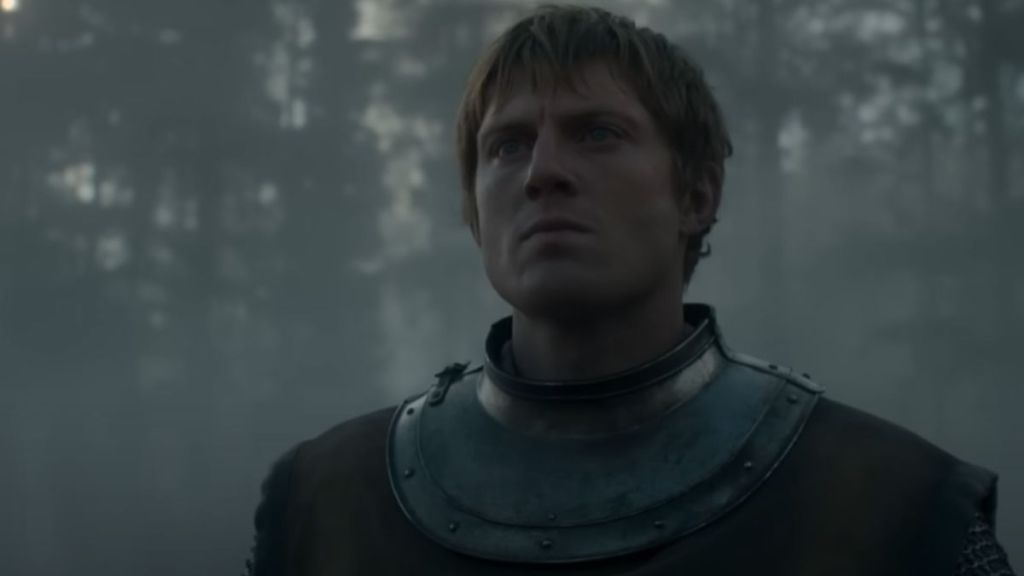
Episode 5 of A Knight of the Seven Kingdoms landed with a roar: early IMDb scores climbed toward 10.0, then steadied around 9.8. For fans who’d forgiven the final season of Game of Thrones, it looked like a corrective: HBO and HBO Max suddenly had something people were eager to praise. But praise alone didn’t explain the volume and velocity of votes.
You’ve seen this scene before—an online metric becomes a prize. I watched review patterns and timestamps: clusters of brief, negative reviews appeared almost immediately after the episode’s surge. Those bursts coincided with threads on Reddit and posts on X (formerly Twitter) urging fans to “push back.” That coordinated pressure changed 9.8 to 9.7 inside hours.
Did fans really review-bomb Ozymandias on IMDb?
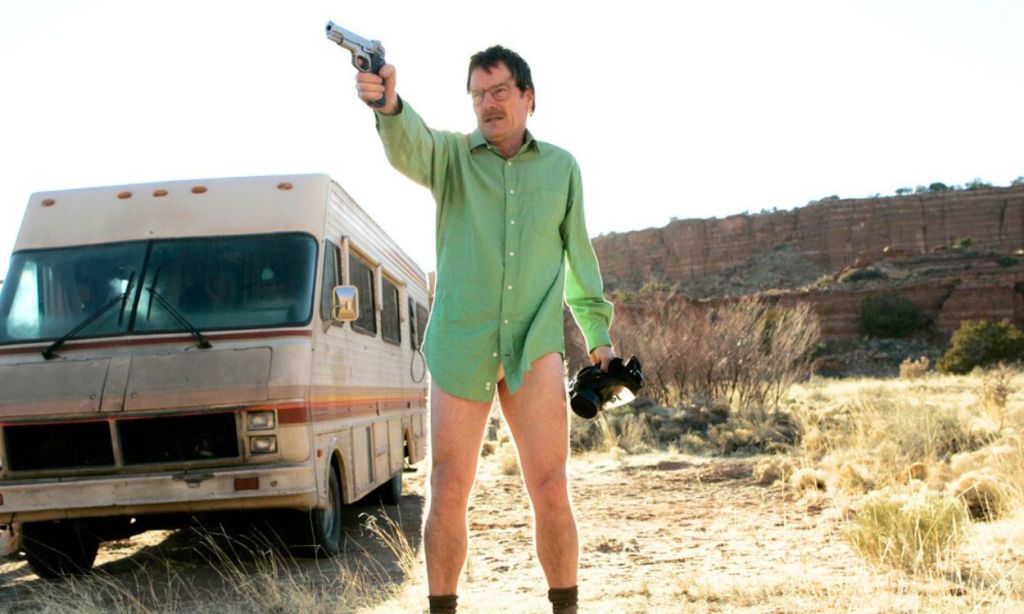
Short answer: the pattern points to mutual retaliation. When Episode 5’s score creeped toward 10, some Breaking Bad supporters reacted by posting negative votes on that IMDb page. Within a day, a matching set of low scores and one-line reviews targeted “Ozymandias.” The net result: a 10.0 that had stood for roughly 13 years dropped to 9.9. I’m not naming individual users, but the timing and language in many reviews are consistent with organized campaigns pushed through subreddit threads and fan accounts on X and YouTube comment sections.
In comment threads I saw fans trade screenshots like trophies — The spillover hurt casual viewers and creators
Fans treat cultural milestones as possessions: screenshots become evidence, scores become trophies. The consequence for the average viewer is simple and immediate—IMDb and similar aggregators are trust shortcuts. When those shortcuts are gamed, someone loses: new viewers who rely on ratings will hesitate, and older shows can look less impressive to newcomers.
You should care because the collateral damage lands squarely on creators. Vince Gilligan and the team behind Breaking Bad, or the showrunners and crew at HBO who revived interest in Westeros-era storytelling, poured years into their work. Neither asked for their careers to be collateral in a contest over a decimal point.
How did the ratings swing so fast on IMDb?
IMDb’s public score is a weighted average, and while the exact weighting is proprietary, sudden surges of high-volume, low-effort reviews shift the visible number. I tracked the cadence: short, one-line negative reviews hit within minutes of calls to action on social platforms. If you’ve ever seen a coordinated thread link drop and then dozens of identical posts follow, you know the momentum I’m talking about. Platforms like Reddit, X, and YouTube amplify those calls and make a single idea contagious.
Can IMDb correct vote brigading?
Platforms do try. IMDb has mechanisms to detect and discount suspicious voting patterns, and moderators can remove reviews that violate rules. But moderation is reactive, and the damage to perception happens fast. For a show, a few hours of skewed numbers can alter headlines, social sentiment, and discovery algorithms on streaming platforms. You’re not imagining how quickly impressions form; they do.
What we just watched is a tribal escalation: fans defending a favorite, then counterattacking when they sense an encroachment. I’ve seen similar spikes around major movie releases—take the reaction to Superman (2025), where fandom friction pushed comments into extremes—and the pattern is the same across franchises.
Here’s the practical part for you: when you see dramatic swings in public scores, check timestamps, read a sample of reviews, and follow the conversation on platforms where fans congregate. That gives you context beyond the headline number.
I’ll be blunt: this behavior turns evaluation into sport. It treats quality like limited inventory and ratings like a scoreboard to defend. The result is that thoughtful criticism loses voice to whoever organizes fastest.
I’m not arguing that every low score is illegitimate—sometimes a sincere, critical reaction matters—but when votes arrive in clusters with identical phrasing, they stop being critique and become manipulation. That’s where platforms, creators, and fans need to draw lines.
If you had to choose a response, would you trust platforms to police scores, or should fans and creators pressure companies like IMDb, HBO, and streaming services to expose more context around ratings? Which side will you defend?