
He asked for a minute, then breathed through the line and the room shifted. You could hear the strain in the syllables—the kind that turns a line into a small, electric event. In that moment it became clear: some roles keep changing the actor who plays them.
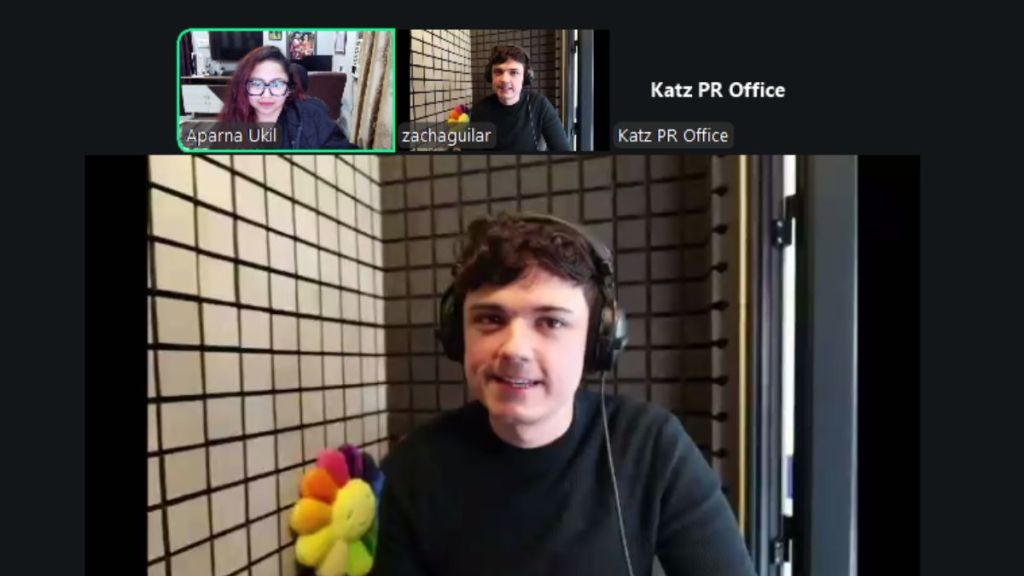
I sat down with Zach Aguilar over Zoom, not to catalog credits but to trace the pressure points of a performance that millions now carry with them. I’ll tell you what he said about growth, grief, and one scene he wishes he could re-cut—then show how those confessions change the way you listen to Tanjiro.
He asked for a minute before recording — and that tells you how seriously he takes emotional truth
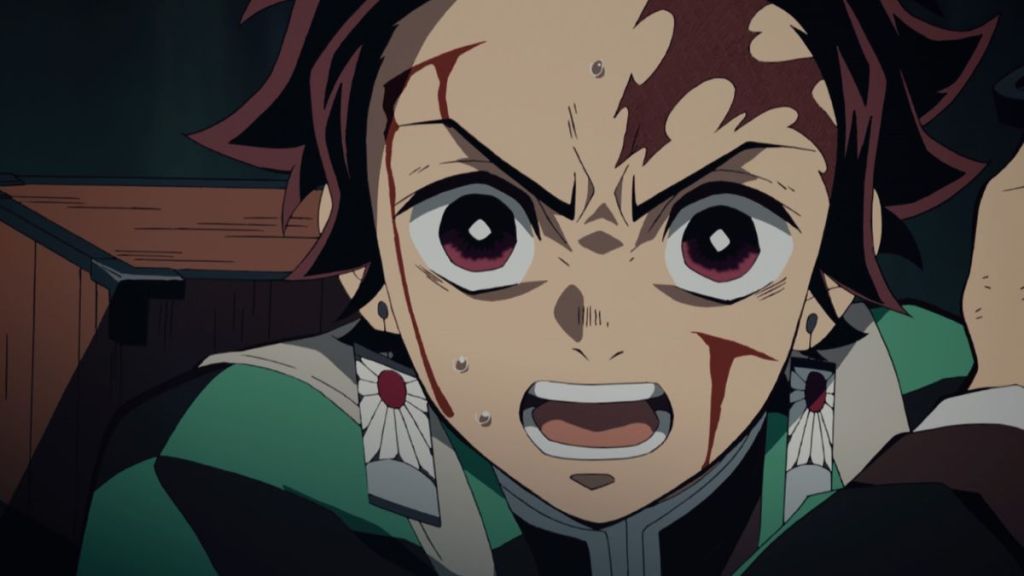
I’ve heard actors call for silence; I’ve rarely seen one ask for time the way Zach did. That pause matters because the hardest scenes aren’t loud—they’re honest. Zach told me the sequence he’d most want to revisit is the very first episode, the moment Tanjiro returns home. He admitted, "I’d probably go back and redo the very first episode. The scene where Tanjiro returns home and finds his family murdered."
Why would he want to redo a scene that already landed? Because performance is cumulative. Over roughly seven years of voicing Tanjiro, Zach learned nuance that wasn’t available when he first walked into the booth. That early rawness mirrored the character’s shock, sure, but Zach now sees places where a quieter heartbreak would hit harder—the kind of restraint that makes an explosion of feeling inevitable.
How long has Zach Aguilar voiced Tanjiro?
Zach reminded me it’s been about seven years since he first voiced Tanjiro, and that longevity changes the stakes. When you grow with a character, every line becomes a ledger of past choices: callbacks, tonal debts, emotional currency. You can feel it in how he spoke about the Infinity Castle films—more than plot, he framed them as an emotional summit.
At conventions a fan once tore his shirt off — small acts reveal how intimate fandom can be
Convention floors are messy proof that characters leak into lives. Zach laughed recalling a fan who ripped his shirt open and asked for a chest signature; he signed it, Sharpie in hand, and left feeling both embarrassed and honored. Then there are fans who tattoo his autograph permanently—a permanence that flips the usual fan-celebrity script.
That directness explains why quieter moments in Demon Slayer land so hard. When a crowd stakes their identity in ink, they want the performances that compell them to feel true. Zach understands that responsibility. He mentioned working opposite Bryce Papenbrook and called it a full-circle moment—one prosign of how the industry ties past inspirations to present craft. Names like Ufotable and Crunchyroll come up naturally when we talk about scale; these are platforms and studios that turn vocal choices into global cultural signals.
Which Tanjiro scene would Zach re-record?
"Performance-wise, I’d probably go back and redo the very first episode… Now that I understand the character much more deeply, I feel like I could bring even more heartbreak and nuance to it."
That confession is both humble and strategic. Zach doesn’t deny the original power of the scene—he argues that his earlier uncertainty actually mirrored Tanjiro’s own stunned confusion. Still, given the chance, he’d fold seven years of growth back into that opening heartbeat.
Directors told him "we’ve got a lot of screaming today" — and production realities shape every take
Recording sessions can feel clinical, but they’re also a physical sport. Zach compared game work to anime: attack-lines for games are recorded in exhausting bursts, move after move, no reset. He said he treats those sessions like athletic practice—warm-ups, hydration, and pacing become part of craft rather than ritual.
His voice, in performance, was a weathered lantern—steady in the dark, but fragile when pushed. That image came up when he described how he protects his instrument: rest it, tea, and vocal exercises before marathon screams. Directors will flag heavy sessions in advance; production knows how stamina maps to realism. For big emotional beats—Tanjiro’s grief, rage, and tenderness—Zach and his directors trade notes until the cry sounds human instead of performative.
What other roles is Zach Aguilar known for?
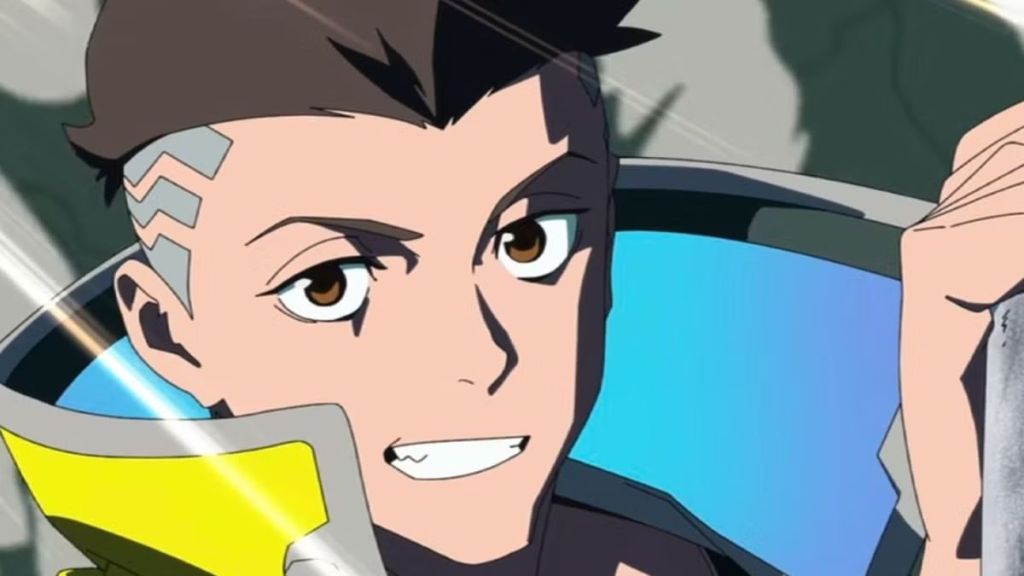
Besides Tanjiro, Zach is widely recognized as David Martinez in Cyberpunk: Edgerunners—work that connected him to CD Projekt Red and a different kind of fandom. He said he’d gladly return to that universe, for a flashback or a new character, just to work with the same creative team. He also mentioned favorites like Halo 3, Call of Duty, Overwatch, League of Legends, Final Fantasy, and Kingdom Hearts II—the games that shaped his ear and his instincts.
He auditioned for three roles and landed the lead — a reminder that chance meets craft
In the audition room, Zach read for Zenitsu, Tanjiro, and Inosuke. Getting one would have been a win; getting Tanjiro changed his life. He had no idea the show would swell to the global cultural force it became, though he suspected it would click because of its characters, animation, and narrative energy. Now, as the story moves toward its final films, he describes them as the real emotional summit—a trilogy with a lot to settle.
The booth can be a pressure cooker when stakes are high; that pressure is useful. It compels precision and keeps sentiment from becoming melodrama. Zach described working with directors to land the right amount of cry—more when needed, less when restraint is necessary. That negotiation is the secret work behind every perfect shot of sobbing you remember.
He learned from the manga as a fan first — that background shaped his performance
Zach didn’t know Demon Slayer before he was cast. After the call, he read the manga and became a committed fan. That dual status—performer and reader—gives him a rare perspective. He watches scenes both for their acting needs and for their narrative payoff, which is why he’s excited about the final films: they’re not just big; they resolve emotional contracts the series has been writing for years.
He named Inosuke as a favorite character to act opposite (wild, chaotic, dependable) and praised Bryce Papenbrook as a partner who made scenes feel earned. He also singled out Jujutsu Kaisen and One Piece as series he admires—One Piece already has a small role from him, but he’d take a larger part in a heartbeat.
If you’re a fan who cares about what goes on behind the mic, Zach’s story is practice in humility: consistent training, vocal care, and an appetite for improvement. He told me, plainly, that acting classes, voice work, and even singing helped. Luck, he said, is what happens when preparation meets opportunity—and that’s a useful frame whether you audition for a lead or stand in line for a convention autograph.
So tell me: if you could convince Zach to re-record one scene, which moment would you ask him to revisit?