The woman in front of me folded her ticket stub like a talisman and said, “If it isn’t familiar, I won’t spend my night.” The concession line quieted; you could feel a studio strategy being judged one headliner at a time, and I realized the genre had a new rule. Jason Blum’s recent comments to The Hollywood Reporter weren’t PR— they were a plan being tested in real time.
I read the interview so you don’t have to, and I kept a note of what actually matters: ideas that carry audiences into theaters, and originals that keep the machine honest. Below, I pull apart the signals—what Blum said, why it matters for fans, and where the next slate might bend.
At the cineplex ticket line, people are choosing names—Why Blumhouse is leaning into IP
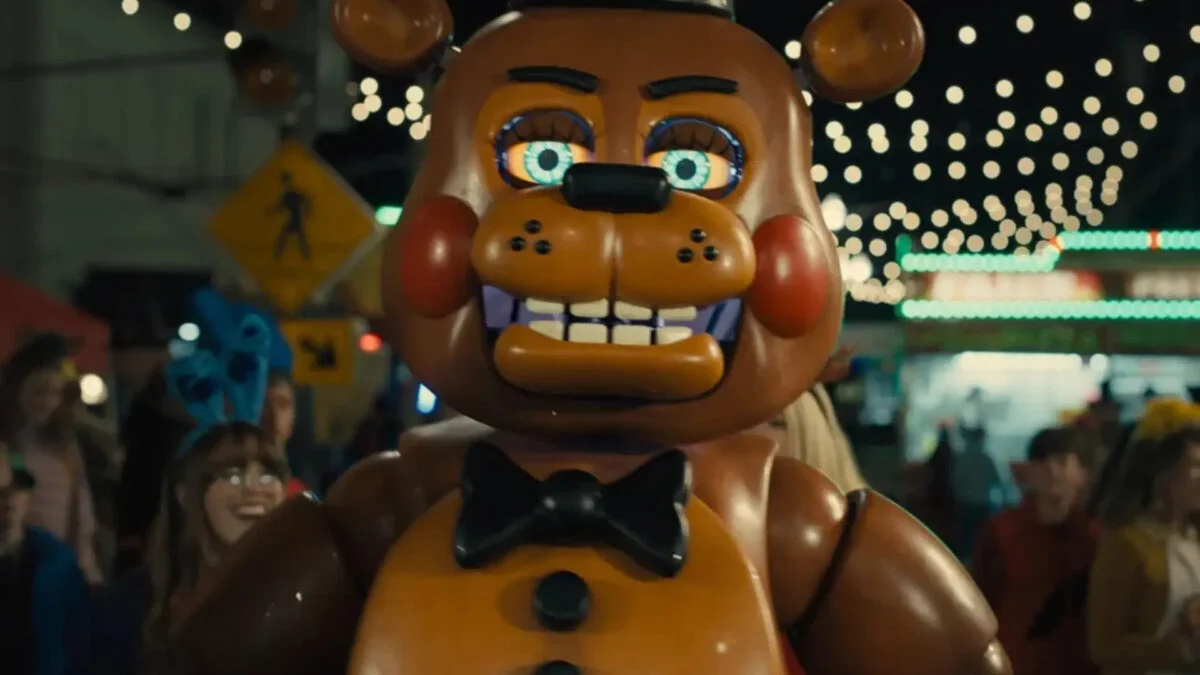
You can overhear it in foyer chatter: most viewers already know what they’ll buy. Blum told The Hollywood Reporter that the post-pandemic crowd usually “decide before they go,” and cited hits like Five Nights at Freddy’s and Final Destination Bloodlines as proof that attached properties attract a pre-booked audience.
Why is IP important to Blumhouse?
Because IP brings a short, sharp sales cycle. When Spider-Man: No Way Home or a franchise title hits, marketing converts almost instantly—social feeds light up, tickets move fast, and exhibitors open screens. Blumhouse learned the hard lesson during early COVID: people were reluctant to leave home unless a title already meant something to them. That explains why lower-risk, high-recognition projects like Black Phone 2 and Five Nights at Freddy’s 2 carried the studio through a bumpy 2025 after experiments such as M3GAN 2.0 stumbled.
Walking past a poster for M3GAN 2.0, you can feel the gamble—Why originals still matter
I’ve been in rooms where one original changed a studio’s language; I’ll say it plainly: originals are non-negotiable for creative health. Jason Blum was explicit—Blumhouse will “always continue to do originals” even as it tilts toward more known properties.
That balance is why you should care: originals are the lab where new directors and strange ideas get proof of concept. They act as the studio’s secret garden, the small pocket where risk is cultivated and future franchises sometimes take root.
Will Blumhouse make more original horror films?
Yes, but not at the same rate as before. Expect a steady output: Blum named upcoming originals like Obsession (May) and Other Mommy (October), though both follow larger projects—Lee Cronin’s The Mummy and Insidious: The Bleeding World. The studio will favor properties that sell tickets while keeping a curated flow of new voices for festivals, streaming partners, and theatrical tests.
In the boardroom, the numbers tell a story—How that plan plays across 2026
Someone at a studio table will always run the math; the observation there is obvious: risk is measured in screens and marketing dollars. Blumhouse is shifting away from an even 50/50 split of originals versus IP, but not toward becoming another Disney factory of endless sequels.
Jason Blum’s logic: if audiences pre-choose, give them recognizables to fill seats, then use those seats to bankroll the smaller, stranger projects that keep the brand respected. You should expect a slate that mixes franchise staples—titles with built-in demand—with a steady trickle of originals that test directors and concepts for future growth. Platforms like Netflix and Amazon will still bid for the right original to reach global streams, while theatrical-first properties will be the headline earners.
What this means for you: if you prize surprise and bold new filmmakers, follow the indie slates, festivals, and Blumhouse’s smaller releases. If you want opening-night spectacle, the studio will give you those marquee names in exchange for your attendance.
Want more io9 news? Check out when to expect the latest Marvel, Star Wars, and Star Trek releases, what’s next for the DC Universe on film and TV, and everything you need to know about the future of Doctor Who.
I call it a balancing act: make enough bankable IP to keep theaters selling, and keep enough originals on deck to prevent the company from getting stale. The bigger question is whether that balance will satisfy the fan who loves being surprised and the ticket-buyer who only shows up for what they already know—who are you rooting for?