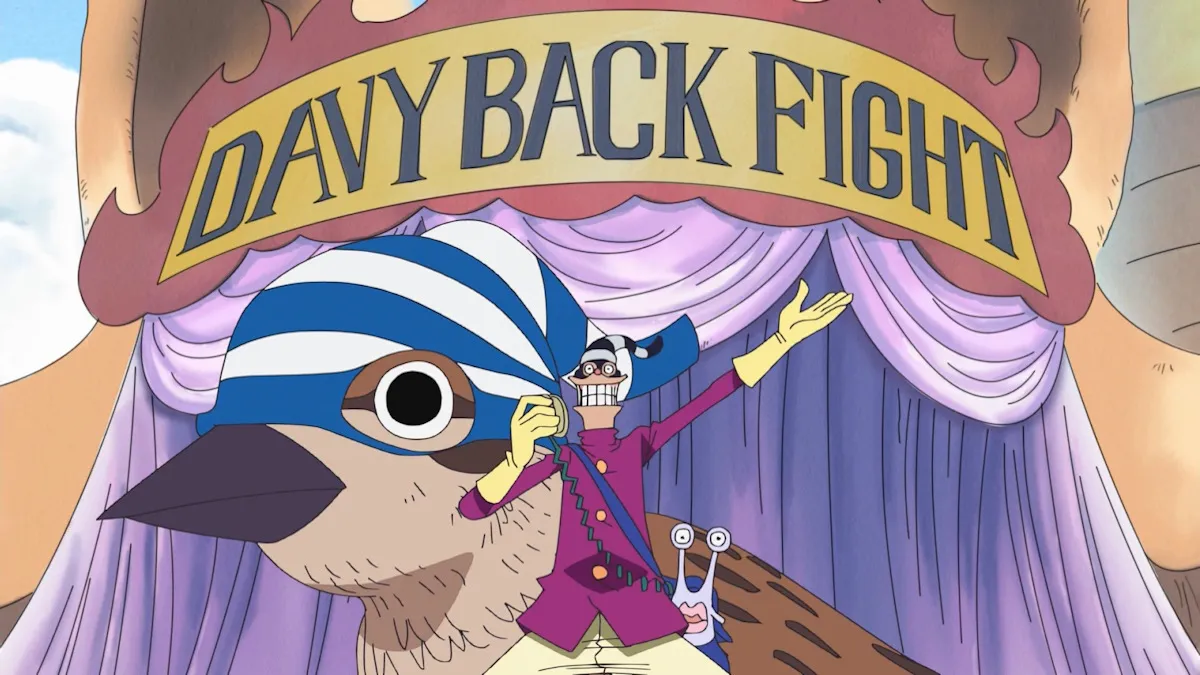
There are moments in One Piece that feel like small, forgotten footnotes—until they explode back into the story and change everything. I remember reading Long Ring Long Island and thinking the Davy Back Fight was a cheeky one-off; now it’s a thread pulling at the seams of the Elbaf arc. You should feel that cold, slow click when past details snap into place.
Spoilers Warning:
This article contains spoilers about the Davy Back Fight tradition and the Rocks Pirates in One Piece. We suggest you catch up to the latest story arc to avoid ruining your intended experience.
At summer fairs people trade prizes and bragging rights; on the high seas pirates traded people and flags.
What Is the Davy Back Fight in One Piece?
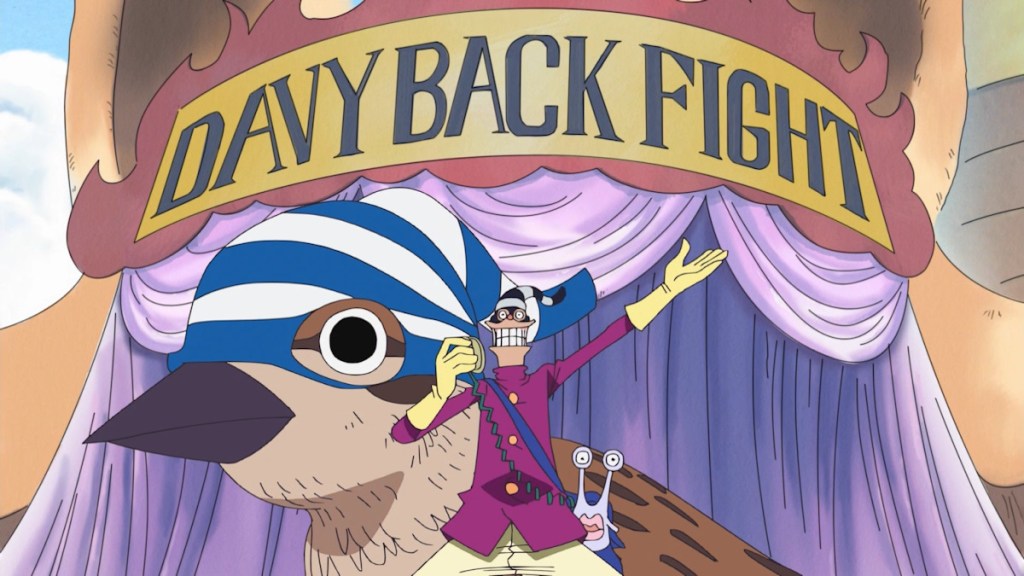
The Davy Back Fight began as a brutal form of recruitment and theft wrapped in gamesmanship. I’ll be frank: it’s not a festival sport. Crews that agree to the matches wager crew members and their Jolly Roger—losers hand over people or lose the right to fly their flag forever.
The origin story ties back to the legend of Davy Jones on Hachinosu Island. It became ritualized: coins cast into the sea for Davy Jones set how many rounds will be played (three is the common number), captains fire a starting shot, and seven members per side contest a series of matches.
At street card games players mark the rules in stone before the first shuffle; pirates did the same, but stakes were flesh and identity.
Rules of the Davy Back Fight
Here’s the short version you can quote on a forum: captains agree, fire a signal shot, toss coins to define rounds, and put seven crew members on the line for a sequence of contests. Winners forcibly recruit a member after each match; captains can be taken; if winners don’t want a person, they can seize the loser’s Jolly Roger instead.
The losing crew must follow the Three Articles of Defeat:
- Recruited members must vow loyalty to the winning captain.
- If the Jolly Roger is taken, the losing crew may never fly that flag again.
- The only way to recover stolen members or flag is to challenge—and win—another Davy Back Fight.
It’s a ritual measured in humiliation and strategy. I’ll say this plainly: you should never underestimate how games warp into politics when pride and manpower are the prize. The Davy Back Fight turns identity into currency and honor into leverage.
What was the point of the Davy Back Fight?
The point was cold and simple: manpower and reputation. Pirates used the Davy Back Fight to poach talent, break rival crews, and expand fleets without the slow work of persuasion. Rocks used these contests as a shortcut to assemble a terrifyingly strong crew.
At conventions you’ll sometimes meet people who collect others like trophies; Rocks collected captains the same way.
Rocks Pirates Connection With the Davy Back Fight
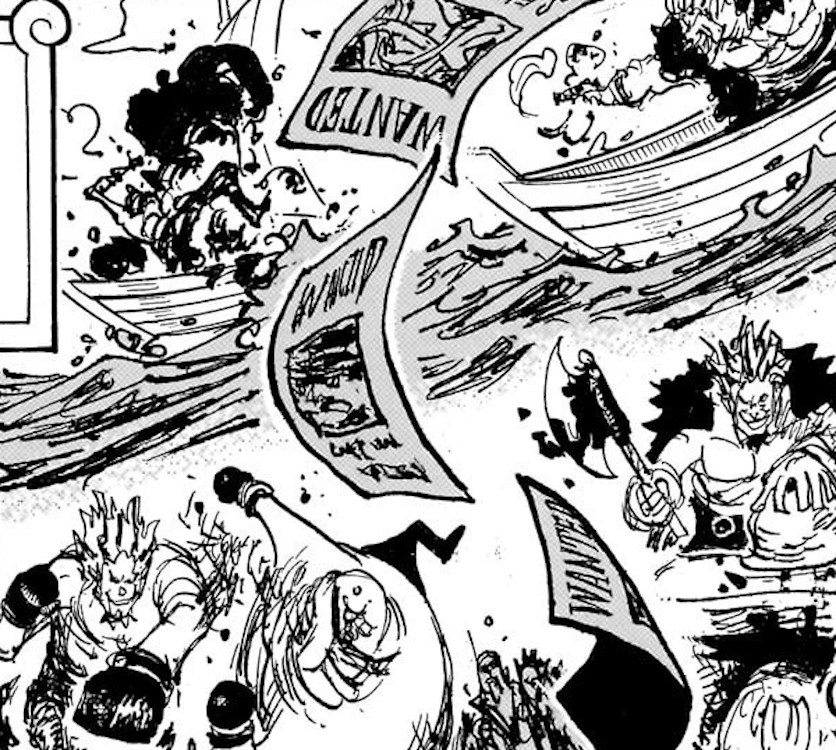
Rocks didn’t build his crew the polite way. After feats that made the world tremble—killing an admiral, smashing the Gates of Justice, and stealing Celestial Dragon treasure—he used the Davy Back Fights on Hachinosu to prey on other captains. Small panels in Chapter 1155 show him winning round after round, gathering notorious talents like Shiki and Whitebeard before his flag even existed.
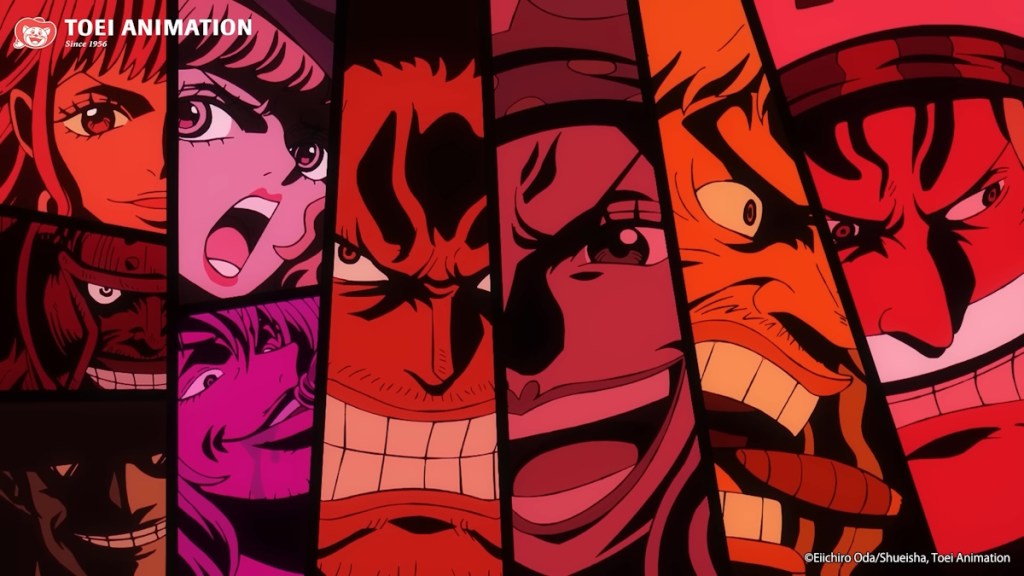
If you track canon threads across Shueisha releases or watch Toei Animation’s flashbacks on Crunchyroll, you’ll see a pattern: the game was a recruitment engine for the most dangerous collection of pirates in history. Rocks’ campaign felt less like conscription and more like a net—every victory tightened the web.
Is Davy Back Fight canon?
Yes—this is solid canon. Eiichiro Oda and the manga timeline place the Davy Back Fight in the world-building that produced the Rocks Pirates. It’s referenced in manga panels and echoed in anime adaptations; you’ll find debates about it on Reddit, analyses on Fandom, and chapter reads on MangaPlus and Viz Media.
Does Luffy lose anyone in the Davy Back Fight?
Yes. In Long Ring Long Island, Luffy briefly loses Chopper to the Foxy Pirates before winning him back later in the sequence. That moment is often framed as comic relief, but it also shows the stakes: the game can separate even tight crews, however briefly.
Why does this matter now? Because Oda folded a small arc into a larger machine. What once read like a gag has been rewired into a tool for character assembly, world history, and political theater. The Davy Back Fight is no longer a campy interlude; it’s a mechanism that explains how legends were made.
I study stories and signal patterns across franchises, and I watch how fan communities on platforms like Reddit and Fandom rebuild meaning around details. If you want a place to check theories, MangaPlus and Viz Media offer reliable chapter references; Toei’s animations give the scenes motion that sticks in people’s heads.
The Davy Back Fight returned for a reason: it explains recruitment, humiliation, and the raw logistics of power in a way that dialogue never could. It’s a carnival mirror for pirate honor and a spiderweb for talent—do you think Oda is done using it, or is the game a tool he’ll keep playing with to reconfigure alliances?