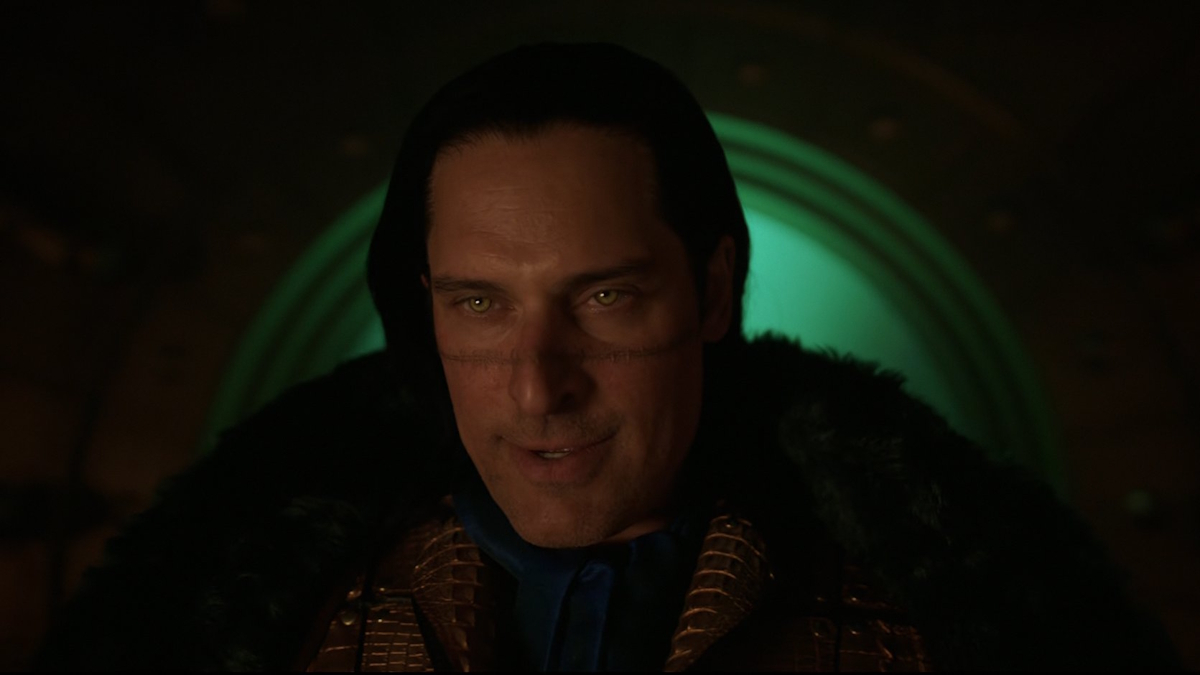
The theater went quiet the moment the screen cut to black. I remember sitting forward, pulse synced with the low hum of the crowd, realizing the season had just traded comfort for consequence. You and I both felt the prompt: we have to talk about what that ending actually set in motion.
I’ve followed this adaptation through set photos, interviews, and screenings on Netflix, and I’ll walk you through the threads that matter—who changed sides, who misreads whom, and which reveal rewires the map for Season 3. Read on and I’ll point out where Eiichiro Oda’s original beats meet Netflix’s choices, where Toei fans will nod, and where live-action-only viewers should take notes.
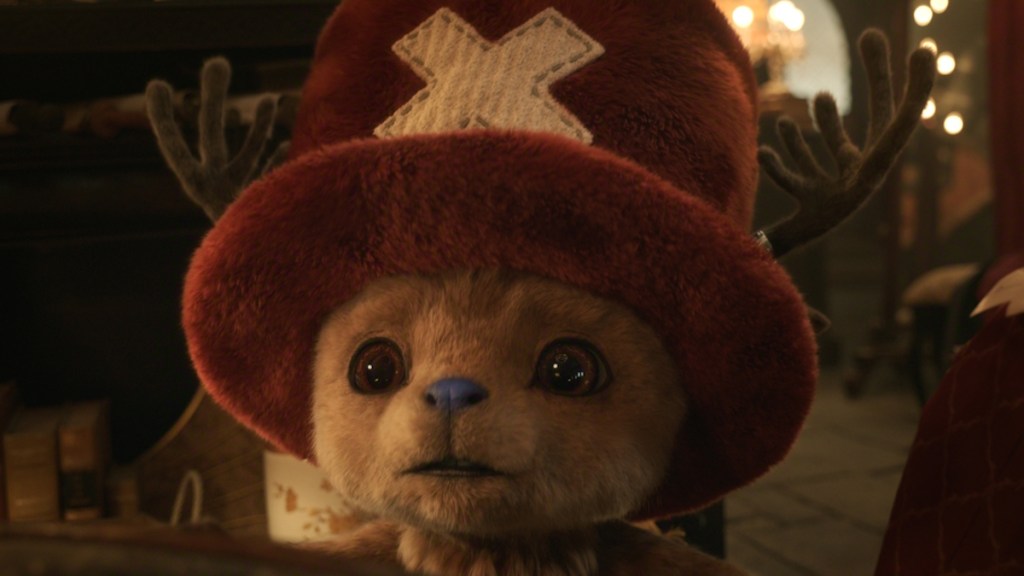
Chopper Joins Luffy’s Crew in One Piece Live-Action Season 2
At a packed screening of episode six, a child in front of me shouted when the reindeer spoke for the first time.
That moment is where the season hangs its heart. You meet Tony Tony Chopper on Drum Island: a reindeer who ate the Human-Human Fruit and learned medicine under Dr. Kureha after losing Dr. Hiriluk. When Nami falls ill, Luffy and Sanji bring her to Kureha’s castle, and that’s where the Straw Hats meet Chopper properly.
Chopper spent his life trying to belong—Hiriluk was the only person who made him feel seen. I watched his arc compress into two scenes: one that reminds you why he studies medicine, and one that shows why Luffy’s acceptance matters enough to change a life. In the final beats, when Luffy asks him to join, Chopper accepts and leaves Drum Island with the crew.
Does Chopper join Luffy’s crew in Season 2?
Yes. The live-action follows the anime’s emotional pivot: Chopper becomes a Straw Hat by the season’s end. If you use platforms like Crunchyroll or Viz Media to compare source material, the core decision and consequences remain intact; Netflix chose to linger on the feeling rather than the mechanics.
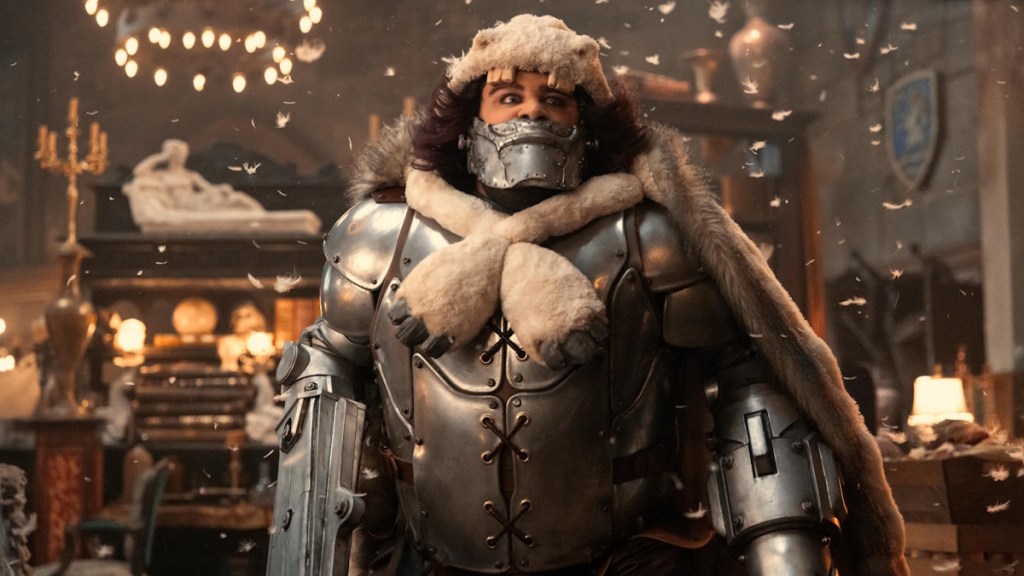
Straw Hat Pirates Defeat Wapol & His Monstrous Army
Outside the theater I overheard a fan explain Wapol’s ability in one breath and then mimic his laugh in the next.
Wapol returns to reclaim Drum Island after the Munch-Munch Fruit gives him a grotesque advantage: anything he eats can become part of him. Late in the season he swallows his own guards, turning them into brutal, hybrid weapons. The Straw Hats fight back. Their teamwork breaks Wapol’s hold and frees his victims, including the doctors oppressed under his rule.
The scene plays like a compact lesson in what the live-action can do well: practical effects, a clear villain motive, and a satisfying payoff when community and courage win out.
Smoker and Tashigi Misunderstand the Straw Hat Pirates
During episode seven, the hushed rows in my screening mirrored the confusion on Smoker’s face.
A damaged recording makes it sound like Mr. 0 has Princess Vivi, and Smoker and Tashigi take that at face value. In the live-action it’s Sanji’s quick thinking—his impersonation during a call—that creates the mix-up. That error gives Smoker cause to pursue Luffy, shifting his priorities from Garp’s orders to a personal vendetta.
That misunderstanding matters because it seeds a longer chase: Smoker now has motive, jurisdiction, and a public belief that the Straw Hats are tied to Baroque Works’ plans. Expect this to ripple into Season 3 when authorities and pirate politics collide on a bigger stage.
What happens at the end of One Piece live-action Season 2?
The season ends by closing character arcs on Drum Island—Chopper joining the crew, Wapol’s defeat—and by widening the map: Smoker now thinks the Straw Hats are allied with Crocodile, and Sir Crocodile steps fully into the light as Baroque Works’ leader. Netflix’s March 10, 2026 drop reframes the stakes and teases Alabasta as the next battleground.
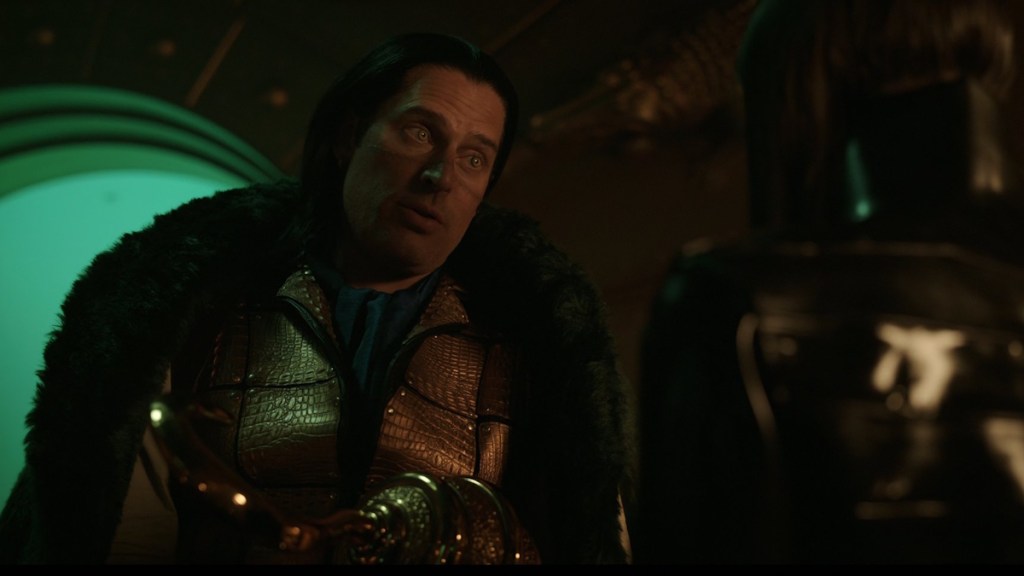
Mr. 0 Aka. Sir Crocodile Comes to Light in OPLA Season 2 Episode 8
I paused my playback when Crocodile removed his hat and stepped from shadow into frame.
Sir Crocodile—one of the Warlords and the architect of Baroque Works—has been a background threat this season. Episode eight gives him face time and sets him up as the mastermind behind Operation Utopia and the suffering in Alabasta. The live-action keeps his menace intact and adds a political angle that Netflix can build into a tense Season 3 confrontation.
Where Crocodile lands in the story matters: he’s not just an opponent for Luffy’s strength, he’s a strategist who moves people like chess pieces, and that makes him a different kind of threat for the Straw Hats.
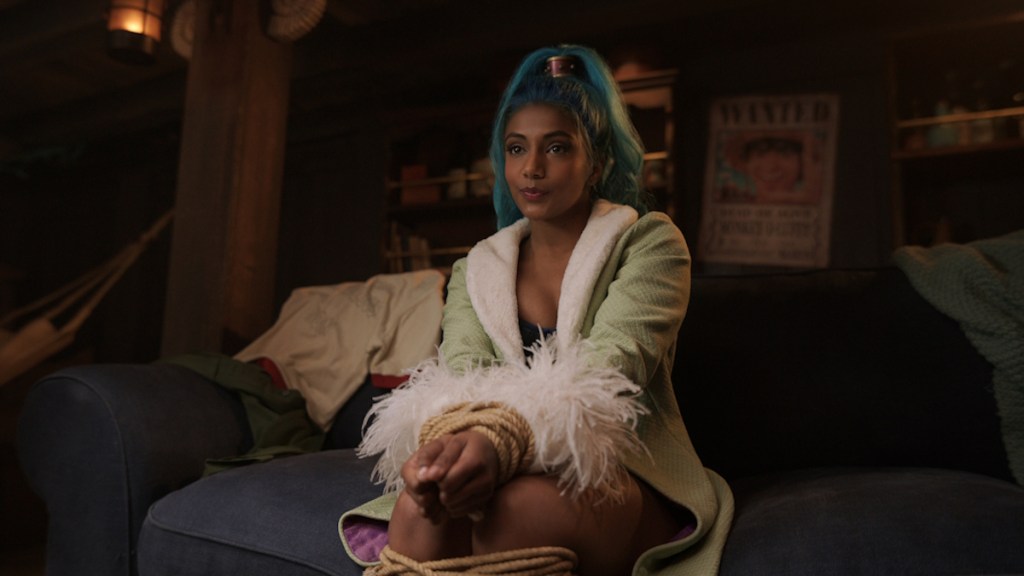
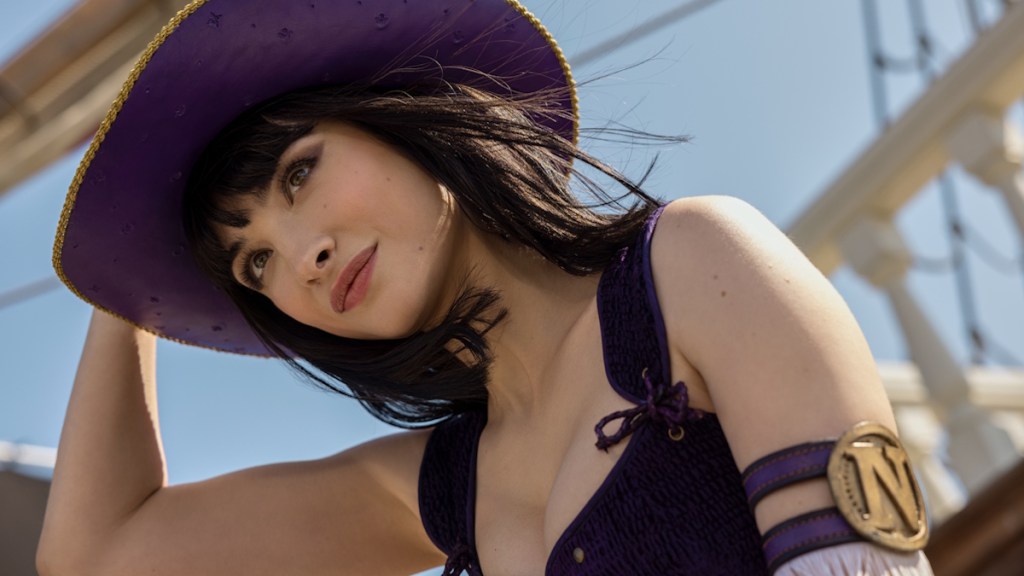
Ms. All Sunday’s True Name Revealed
When that wanted poster flashed onscreen, a hush swept through the room like someone pulling a curtain.
Live-action viewers who hadn’t read the manga learned what anime fans already knew: Miss All Sunday is Nico Robin. A bounty poster showing her eight-year-old self makes the reveal explicit. Actor Lera Abova plays Robin with a quiet, measured intelligence that signals how important she’ll be going forward.
Robin’s introduction rewrites the stakes—she is about to become a major player in Season 3. For fans cross-referencing Toei’s anime or Viz Media’s translations, this is the bridge between adaptations: Netflix keeps the lore while dialing the human moments tighter for a live audience.
Who is Ms. All Sunday in the live-action series?
Ms. All Sunday is the cover identity for Nico Robin. The show frames her as a Baroque Works operative with a hidden past; if you follow industry reporting or interviews with the cast on platforms like X (Twitter) and Netflix press releases, you’ll see the series positioning her as a hinge between espionage and archaeology.
So what changed, and what should you watch for next? Chopper’s addition, Wapol’s fall, Smoker’s false lead, Crocodile’s full reveal, and Robin’s name collectively redirect the story toward Alabasta and a far more political conflict. Those beats are the engine; the characters are the fuel.
After watching, which character’s future do you want to bet on—Luffy’s growing crew, Crocodile’s scheming, or Robin’s next move?