You’re in a dim screening room when a single line of casting news makes everyone sit up. I felt the shift instantly—options that were theoretical minutes ago are suddenly probable. That sensation is the rumor mill going live.
I’ve tracked these swings long enough to tell you what matters and why it will ripple through studios and streaming services. Read this as if I’m in your ear: framing, stakes, and the likely fallout. I’ll point to sources—Deadline, Nexus Point News, TV Insider, TrekMovie—and you’ll know when to start watching ticket sales and trade headlines.

Alien: Romulus Sequel
At a film festival bar, someone suggested Michael Sarnoski would be the perfect person to steer a dark, lean Alien sequel.
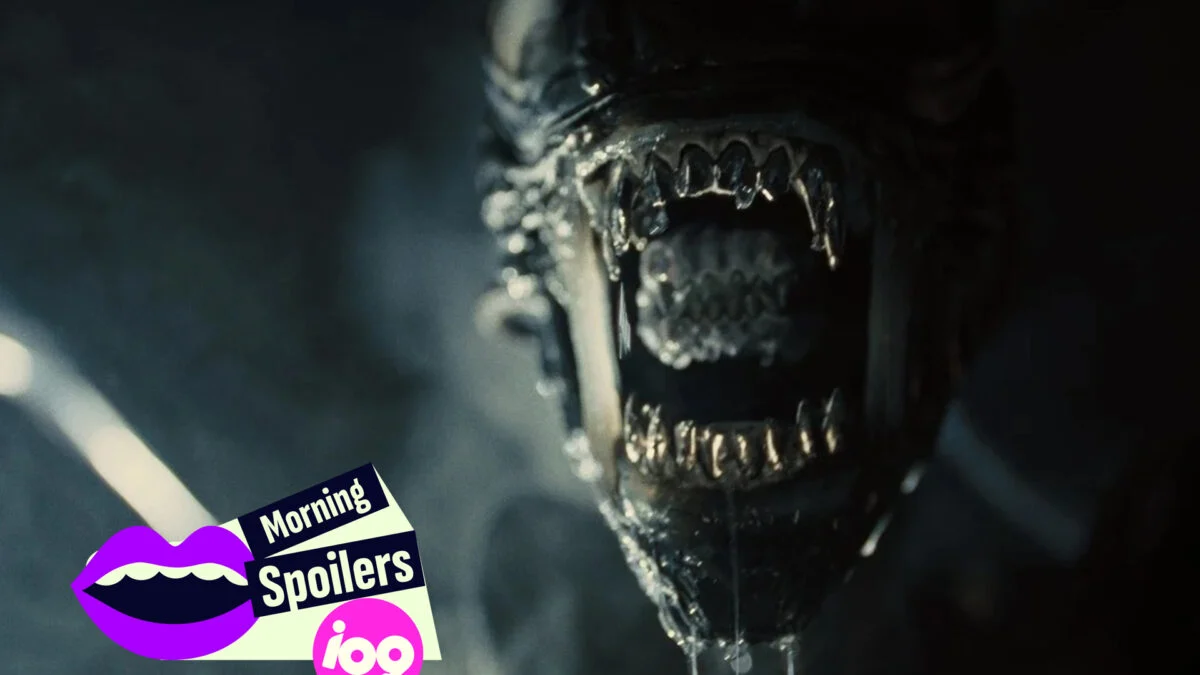
That whisper has legs. Nexus Point News reports Sarnoski—who directed Pig and A Quiet Place: Day One—is in talks to direct the follow-up to Alien: Romulus. If this holds, studios gain a director who understands tonal pressure and character-first horror, a rare combination studios value when they want prestige and audience gravity at once. Sarnoski’s sensibility could shift the franchise away from spectacle and toward a tight, claustrophobic thriller that prizes mood over broad effects.
Sarnoski’s move is a chessboard move for the franchise: it signals a deliberate course correction that will please critics and give streaming platforms material to promote as awards-season adjacent.
Who is directing the next Alien movie?
Reportedly Michael Sarnoski is in talks. Sources point to trade outlets such as Nexus Point News for the earliest alerts; keep an eye on Deadline and Variety for formal confirmation.
Supergirl
On set, music choices are often the last thing locked down; they become the emotional spine in post-production.
World of Reel reports that Junkie XL has departed the Supergirl soundtrack and composer Claudia Sarne will write an original score. That switch matters. Sarne’s style is more intimate and textural compared with Junkie XL’s big, percussive riffing—expect a different emotional register for the film’s key scenes. For fans tracking talent pipelines, names like Sarne can affect soundtrack licensing, trailer cuts, and festival placement.
Grind
At a late-night diner, someone joked that modern work stories could be horror films—and now they are.
Deadline reports Yellow Veil Pictures picked up Grind, a horror anthology probing late-stage capitalism through four stitched narratives: MLM hustle, delivery-driver repetition, content-moderation horrors, and coffee-shop unionization. The cast—Rob Huebel, Barbara Crampton, Vinny Thomas and others—signals a mix of comic and genre credibility. Expect festival buzz at SXSW to translate into targeted streaming and boutique theatrical runs that aim to convert critical conversation into niche audience loyalty.
DRAGN
A morning commute and drone footage are now indistinguishable; that hum in the sky is everyone’s uneasy future.
The trailer for DRAGN shows colleagues on a retreat stalked by a heavily armed, AI-piloted drone. The premise reads like a concentrated tech paranoia piece—short, sharp, and designed for viral traction. Filmmakers courting festival programmers will use that trailer to sell the film to genre programmers hungry for socially relevant chills.
Star Trek: Starfleet Academy
In online comment threads, fans debate which return cameo would ignite subscriptions.
Alex Kurtzman told TV Insider Paul Giamatti’s Nus Braka will not appear in season two of Starfleet Academy—he hopes to bring Giamatti back in season three. Showrunner Noga Landau told TrekMovie that the season’s antagonist isn’t a person but an “impossible dilemma” for Starfleet. That’s a narrative pivot: the audience faces philosophical friction rather than a single villain’s arc. Expect episodes that pose institutional choices and moral trade-offs, material that fits well with deep-discussion platforms like Reddit and long-form analysis on YouTube channels and podcasts.
Will Paul Giamatti return to Starfleet Academy?
Not in season two, per Kurtzman. He and the team are aiming for a season-three reunion if schedules allow.
The season-two antagonist being an idea reframes promotion strategy. Marketing will lean into debate-driven hooks—create watercooler moments that push viewers from passive watching to active discussion on platforms such as Twitter/X and Mastodon.
Firefly
At a comic-con panel, whispers about returning cast members often trump official press releases.
Nathan Fillion confirmed Alan Tudyk is additionally involved with whatever mysterious Firefly announcement is due this Sunday. That double confirmation tightens expectations: when both leads show up, studios can sell nostalgia while promising new material. Keep tickets and streaming windows in mind—these announcements often coordinate with pre-orders or subscriber campaigns.
Young Sherlock
At a production meeting, creators often sketch multi-season arcs before a formal green light arrives.
Simon Maxwell told Deadline that Young Sherlock has plans for a second season and the core team is prepping storylines—though Amazon hasn’t officially greenlit it. That “early prep” signal matters to actors and crew; if the streamer signs off, production calendars and promotional plans snap into place quickly. For industry watchers, early prep is a strong indicator that platform executives are pleased with initial metrics or internal screenings.
Rick and Morty
In group chats, people clipped a few seconds and declared it an instant meme before the episode aired.
A new clip from season nine shows Rick taking up jogging. It’s a small beat, but in a long-running animated show, small beats become motifs. Expect Adult Swim and promos to lean on short-form social clips to seed memes and drive tune-in on premiere night.
When is Rick and Morty season 9 coming out?
Networks usually announce premiere dates through Adult Swim press channels; watch their official social accounts and press releases for the confirmed date.
Primal
I once watched an episode of Primal in a silent theater; the absence of dialogue made every panel feel monumental.
A clip from the season finale shows Spear searching for Mira and Fang. Genndy Tartakovsky’s series trades exposition for pure cinematic motion. This ending will be framed as a proof point for serialized animation’s ability to carry emotional weight without conventional dialogue—ideal material for critics and animation festivals.
Want more io9-style news and the context that separates passing hype from meaningful creative shifts? I’ll keep flagging moves by directors, composers, and showrunners—because those choices change what gets made and why you should care.
Sarnoski or no Sarnoski, and whether a villain is a person or a problem, which of these choices will actually change what you watch next?