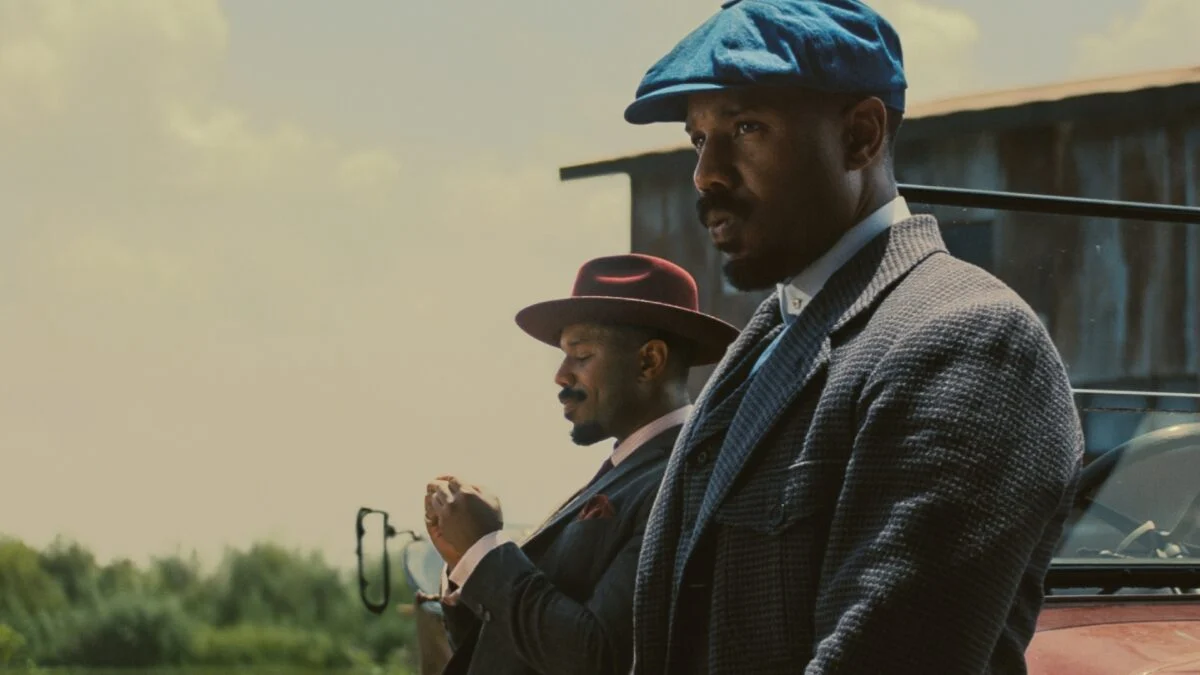
I remember sitting through the nominations and feeling the room tilt—a quiet counting of favors and snubs. You could sense the Academy’s walls close in; the Oscars are a fortress with a small, ornate gate. Now Sinners stands at that gate, daring the institution to open it.
I’ve been watching awards seasons long enough to know how narratives form: you watch a film, you watch the industry watch it, and suddenly the gossip becomes history. I’ll walk you through the vampire moments the Academy actually rewarded, the near-misses that should’ve landed, and why Sinners is rewriting the playbook.
Has a vampire film ever won an Oscar?
Yes—but almost never for the things fans shout about. The Academy has traditionally rewarded the craft around monsters: makeup, costume, production design, sound. That pattern makes the sheer scale of Sinners’ 16 nominations feel like a rupture; vampire cinema has been a secret handshake in Hollywood’s back room, and now it’s at the banquet table.
Nosferatu (2024)
On set, Eggers obsessed over every seam and stitch so the camera never had to forgive a historical lie. That vigilance earned nominations for Best Cinematography, Best Costume Design, Best Production Design, and Best Makeup and Hairstyling—technical proof that the Academy still reaches for films that feel handcrafted. Bill Skarsgård’s performance didn’t get an acting nod, but the look he inhabited—right down to that luxurious Nosferatu mustache—was impossible to ignore.
El Conde (2023)
During screenings, you could hear nervous laughter turn into thoughtful silence as political satire met the supernatural. Pablo Larraín’s film landed a Best Cinematography nomination, a signal that AMPAS will reward formal daring even when the subject is a wildly absurd riff on Augusto Pinochet as a 250-year-old vampire. It’s the kind of oddball pedigree that brings streaming-platform algorithms and festival programmers to the same conversation.
Which vampire movies have been nominated for Oscars?
There’s a short but respectable list: Nosferatu (2024), El Conde (2023), Shadow of the Vampire (2000), Interview With the Vampire (1994), and Bram Stoker’s Dracula (1992)—plus the cult favorite Let the Right One In, which found love in critics’ circles and BAFTA voting but not at the Academy. Those nominations usually live in craft categories: makeup, art direction, costume, cinematography, and sometimes score.
Shadow of the Vampire (2000)
On location, the cast pretended they were making a silent film while the crew whispered about the story’s conspiracy: what if Max Schreck was an actual bloodsucker? That playful speculation turned into awards recognition: Willem Dafoe earned a Best Supporting Actor nomination and the film snagged a makeup nomination that highlighted how performance and prosthetics can conspire to haunt viewers.
Interview With the Vampire (1994)
At premiere parties, the chandeliers reflected the film’s obsession with faded glamour—New Orleans and Paris rendered as palatial decay. The Academy rewarded those textures with nominations for Best Art Direction and Best Original Score (Elliot Goldenthal), validating cinema that invests in atmosphere. Kirsten Dunst’s break into mainstream attention was obvious, even if acting nominations didn’t follow; and yes, the Razzies gave Pitt and Cruise a notorious moment of their own.
Bram Stoker’s Dracula (1992)
On set, Francis Ford Coppola treated each costume like a sculpture and each makeup appliance like a special effect from another century. That ambition paid off: three Oscar wins for Best Costume Design (Eiko Ishioka), Best Sound Editing, and Best Makeup, plus a Best Art Direction nomination. The film proved the Academy will crown excess when it’s crafted with obsessive taste.
Honorable mention: Let the Right One In (2008)
At festivals, the Swedish film moved audiences with a quiet brutality that critics couldn’t stop citing. It won critics’ group awards and a BAFTA nod for Best Film Not in the English Language, but the Academy never embraced it; Sweden didn’t even submit it for that year’s Oscar race. Still, its cultural afterlife—an American remake that respected the original—shows how festival acclaim, Rotten Tomatoes metrics, and industry buzz can steer a film’s legacy even without an AMPAS seal.

If you want to track how the Academy treats genre pictures, pay attention to two signals: nominations in craft categories and whether performances translate into mainstream awards chatter on platforms like IMDb and the trades. Those patterns predict how voters will behave when a film like Sinners comes calling.

Here’s the full tally for Sinners at the 98th Oscars, March 15: Best Picture; Best Director (Ryan Coogler); Best Actor (Michael B. Jordan, dual role); Best Supporting Actress (Wunmi Mosaku); Best Supporting Actor (Delroy Lindo); Original Screenplay (Ryan Coogler); Casting; Production Design; Cinematography; Costume Design; Editing; Makeup and Hairstyling; Sound; Visual Effects; Original Score; and Original Song (“I Lied to You”).
So when the envelopes are opened, will the Academy reward a film that makes vampires feel both seductive and political—or will it retreat to safer guild-pleasing categories and leave the blood on the floor?