When the envelope split open, the room inhaled as if every phone camera had a single battery. I remember feeling that small electric pull—the moment you know an arc has closed. You could sense a film moving from pop phenomenon to stored-history.
I cover awards seasons and streaming culture, and I’ll be blunt with you: the Oscars didn’t surprise me so much as formalize what the rest of the year had already decided. You watched this climb. I watched the pattern repeat: festivals, playlists, sold-out merch drops, repeat streams. That pattern matters because it’s how a movie becomes a cultural event.
In the Dolby Theatre, applause rose and held for a beat.
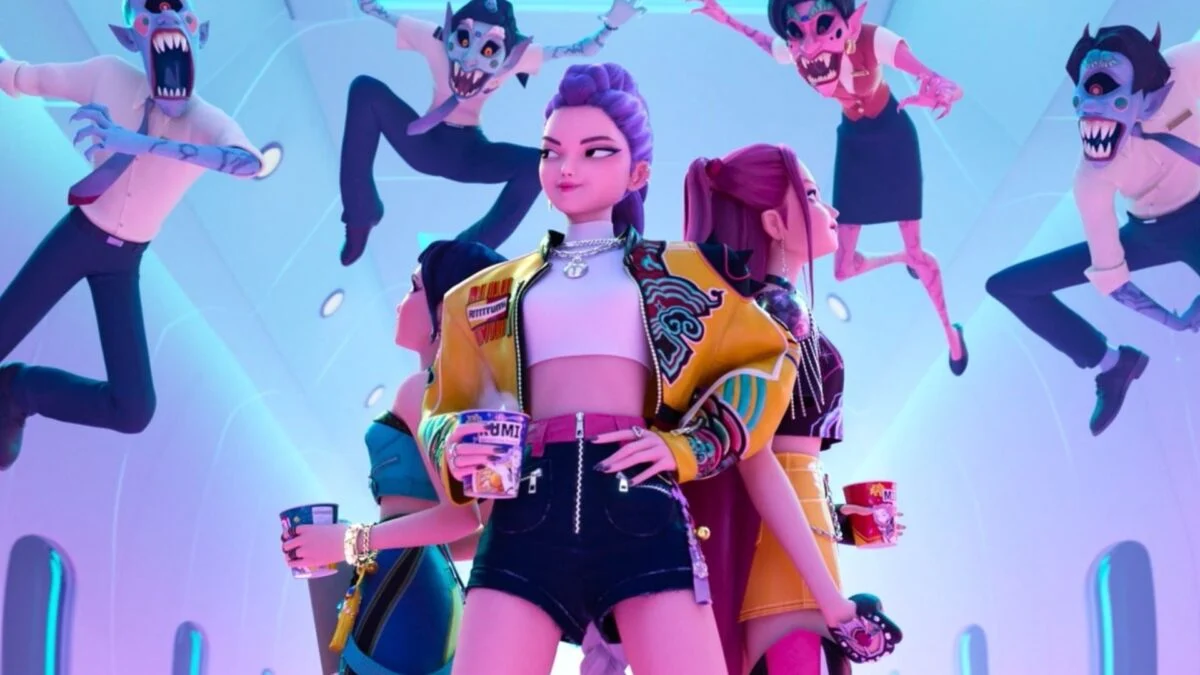
The Oscar for Best Animated Feature went to KPop Demon Hunters, and the decision felt less like a surprise and more like a confirmation. The film beat stiff competition—Disney’s Zootopia 2, Pixar’s Elio, Neon’s Arco, and France’s Little Amélie or the Character of Rain—but its momentum had been building for months.
Its win followed trophies from the Golden Globes, Critics’ Choice, and the Annies. When the announcement landed, it hit like a thunderclap: a single split-second that converted fandom energy into industry legitimacy.
Why did KPop Demon Hunters win Best Animated Feature?
Because it combined craft with cultural velocity. The animation design, the score, and the pacing satisfied critics; the soundtrack—especially the song “Golden”—connected with mass audiences and earned its own Best Original Song Oscar after a show-stopping live performance. Awards bodies had already signaled their preference: Wikipedia lists roughly 130 wins from 187 nominations leading into the Academy Awards, a tally that reads like consensus.
On my screen, the film lingered at the top of Netflix for weeks.
Streaming charts didn’t treat KPop Demon Hunters as a blip; you saw it in algorithms and in grassroots playlisting. Slowly, it became Netflix’s most popular movie ever and—months after release—still circulates among the platform’s top 10 most-streamed films.
The hybrid release strategy paid off: it was also the number-one movie at the box office during its theatrical window, even while available on Netflix. The movie’s fandom operated like a small army—concert-level fandom that translated into merchandise, sold-out events, and a sustained social presence.
Is KPop Demon Hunters Netflix’s most popular film?
Yes. Netflix’s own viewing metrics and third‑party analytics showed the film climbing to the platform’s summit. It’s the rare title that translated streaming viewership into box office strength, merch sales, and cultural moments—an important data point for studios and streaming platforms alike.
Will there be a sequel to KPop Demon Hunters?
Short answer: yes. The studio and producers have confirmed franchise plans and development is already underway. Given the film’s performance across awards, streaming, and ticket sales, greenlighting a follow-up was a predictable, if high-stakes, business choice.
On store shelves and social feeds, statuettes and fan art sat next to each other.
An Oscar is the kind of seal that changes conversations. For you, one more award doesn’t just mean more press—it shifts licensing, platform negotiations, and the trajectory of creators. For me, it clarifies how streaming-era hits can cross from algorithmic success to institutional recognition.
Look at the ecosystem: Netflix’s marketing machine, the songwriters behind “Golden,” the film festivals that seeded attention, and the fan communities that amplified every clip. When awards bodies—from the Annies to the Academy—align with audience enthusiasm, a film moves from moment to legacy.
Want more io9 news? Check out when to expect the latest Marvel, Star Wars, and Star Trek releases, what’s next for the DC Universe on film and TV, and everything you need to know about the future of Doctor Who.
I’ve watched hits crest and fall; this one combined craft, cultural timing, and an ecosystem that fed itself. You can see the sequel’s outline already taking shape: bigger stakes, merchandising strategies, and a soundtrack campaign built to win awards again. But will continuing the franchise protect the original’s magic or dilute it?