
Oscars 2026: 6 Biggest Snubs of the Year
I was watching the live feed when a name nobody expected rolled across the screen. You could feel the room recalibrate—applause turned to puzzled silence. That single beat told me everything about how subjective awards night can be.
I’ve covered awards seasons for years; you learn to read the room, the chatter on X, and the post-show columns on Variety and The Hollywood Reporter. Here are the six moments that left the crowd asking for explanations, not just celebrations.
Who were the biggest snubs at the Oscars 2026?
You’ll find the short answer below, and the longer one in the scenes that followed each win. I’m naming names, explaining why the omission stung, and what it says about the Academy this year.
Best Actress in a Supporting Role
The first award of the night arrived like a single light in a dark theater: unexpected and impossible to ignore.
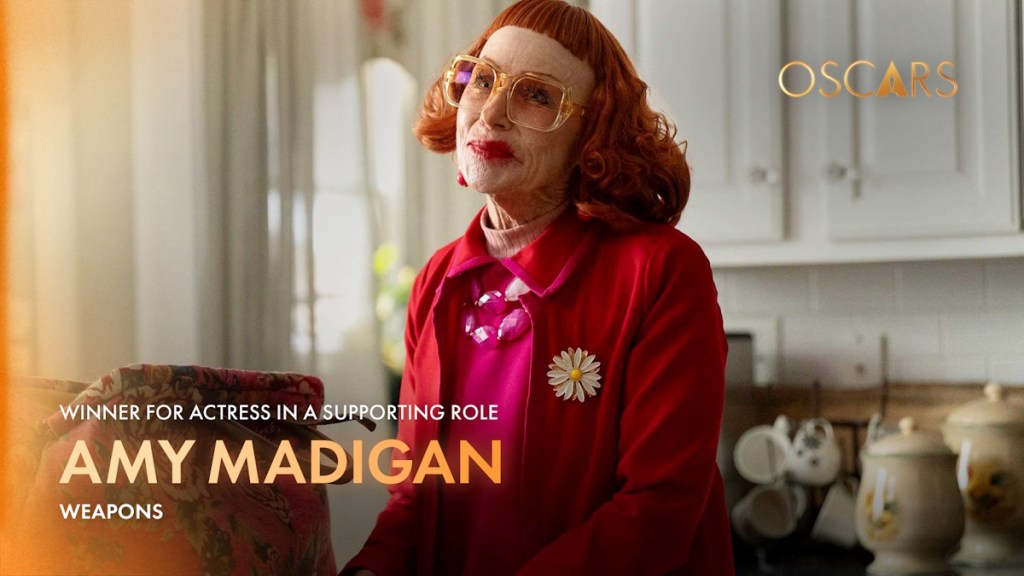
Amy Madigan won for her brief, chilling turn as Aunty Gladys in Weapons — under 15 minutes on screen, and an Oscar in hand. That win revived the old debate: should a flash of brilliance beat a sustained, layered performance?
I think Elle Fanning and Inga Ibsdotter Lilleaas (Sentimental Value) or Teyana Taylor (One Battle After Another) had work that resonated across an entire film rather than a sequence. I don’t dismiss Madigan — the category has historical exceptions — but you can feel the dissonance when the applause doesn’t match the room’s sense of justice.
Best Animated Feature Film
On streaming charts and social feeds, anime dominated conversations all year; the nominations did not reflect that.
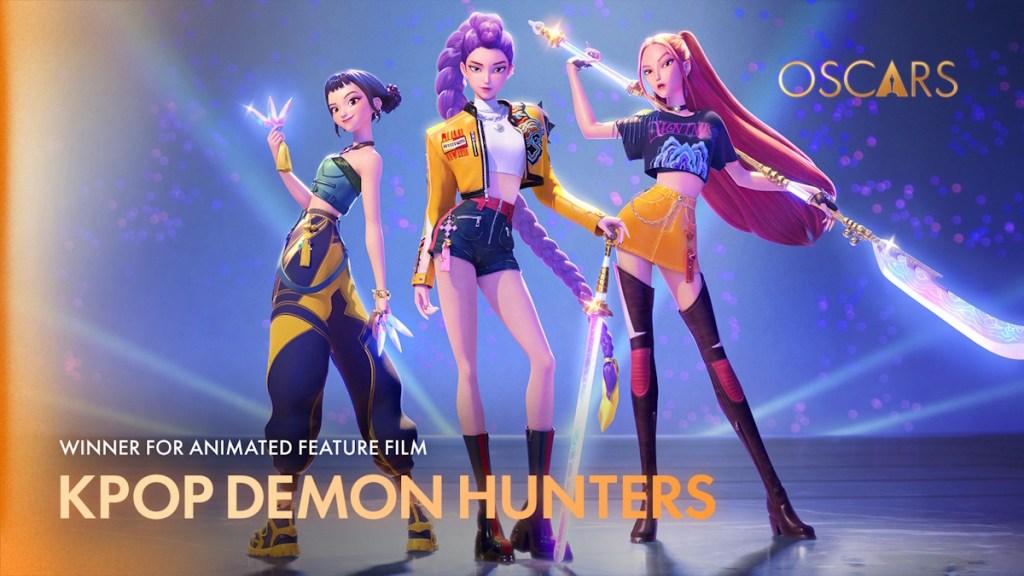
KPOP Demon Hunters won, and the internet split. Netflix’s global push made the title unavoidable, but omitting Demon Slayer: Infinity Castle and Chainsaw Man The Movie: Reze Arc felt wrong to many critics and anime fans alike.
Disney and Pixar releases like Zootopia 2 and Elio didn’t carry the same cultural momentum this year; yet Little Amélie and The Character of Rain and Arco seemed to be on the Academy’s blind spot. If awards reflect industry shifts, this category suggests the Academy voted more on visibility than the art that fueled year-round conversation.
Why were Demon Slayer and Chainsaw Man left out of Best Animated Feature?
Short answer: distribution and the Academy voting pool. Big streaming launches can dominate metrics, but the awards’ voters still reward strategic campaigning and academy screenings. Netflix ran a powerful campaign for KPOP Demon Hunters; the anime films had passionate fans but less institutional exposure among voting members.
Best Actor in a Supporting Role
Some nights feel like every vote is being counted twice — that was this category.
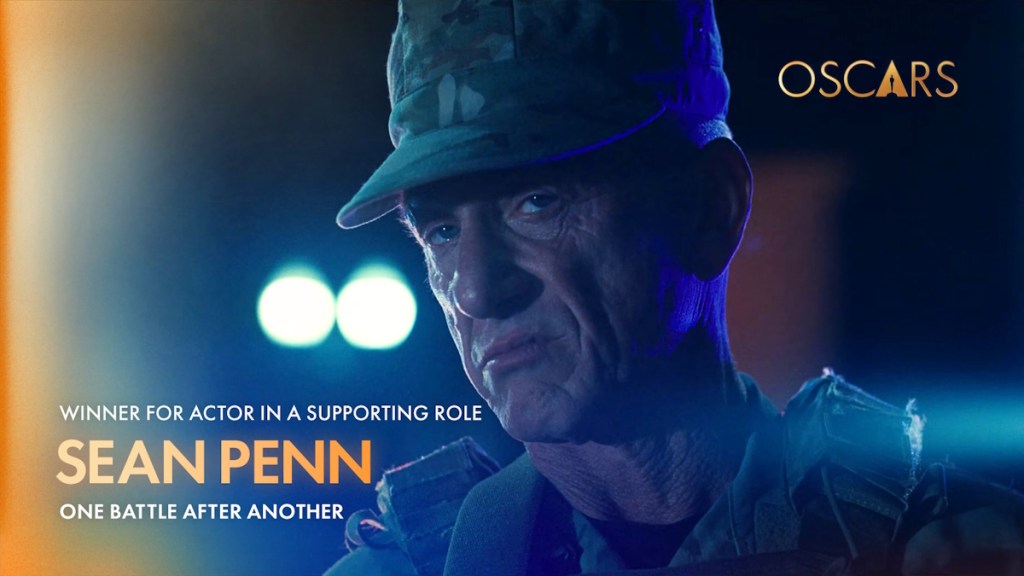
Sean Penn took the trophy for Colonel Lockjaw in OBAA, marking a triumphant comeback.
His performance was commanding, but many believed Jacob Elordi (Frankenstein), Stellan Skarsgård (Sentimental Value), or Delroy Lindo (Sinners) offered work that stayed with you after the credits. Momentum and legacy can nudge ballots; Penn’s name carried weight, and that often matters as much as the role itself.
Best Music (Original Song)
Music moved crowds — and divided them — during the telecast.
KPOP Demon Hunters added Best Original Song to its haul — and that felt fair to many observers given its earworm hooks and global reach.
Still, I’m putting a marker next to the track from Ryan Coogler’s film: Ludwig Goransson and Raphael Saadiq crafted a piece that demolished the scene it underscored. When music becomes the scene’s spine, it deserves more than a footnote; some voters simply prioritized cultural momentum over cinematic placement.
Best Actor in a Leading Role
There was one moment before the envelope was opened that made the room hold its breath: Timothée Chalamet’s expression as nominees were read.
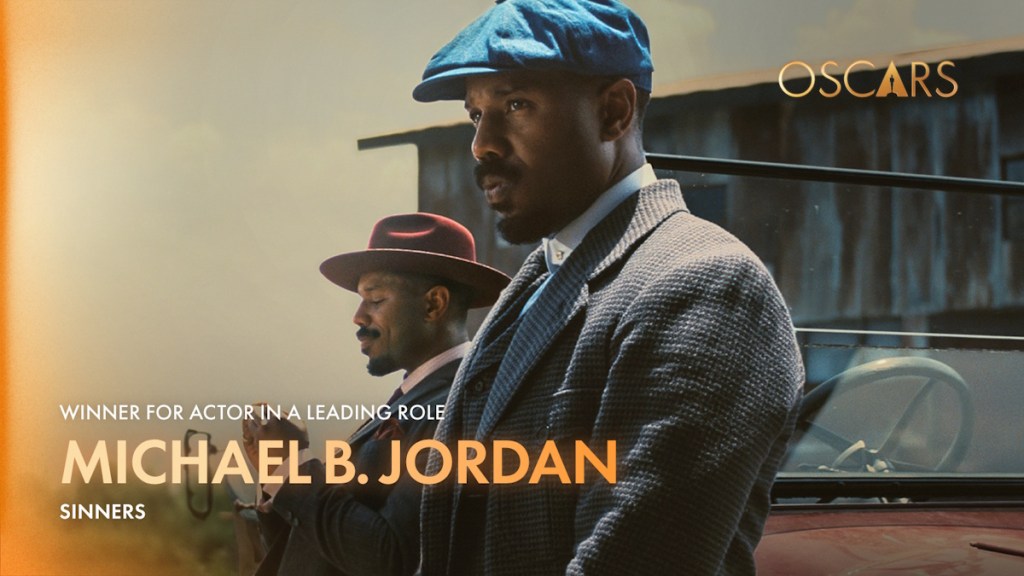
Michael B. Jordan won for his twin turn in Sinners, a performance that carried physical craft and emotional weight.
Timothée Chalamet’s Marty Supreme was one of his finest hours, but a last-minute controversy over remarks about ballet and opera shifted the conversation on social platforms and in campaign rooms. When an actor becomes the story, voters sometimes favor the non-controversial alternative — MBJ benefited from that quiet arithmetic.
How did controversy affect Timothée Chalamet’s Oscar chances?
Controversy can change perception faster than a trade ad. Campaign teams on IMDbPro and studio PR desks scramble to contain narratives; some voters pivot away from anyone who might generate headlines during the ceremony. Chalamet’s raw performance didn’t vanish, but the optics mattered in the final count.
Best Picture
The director win earlier in the night made many of us assume the film would follow; it didn’t.
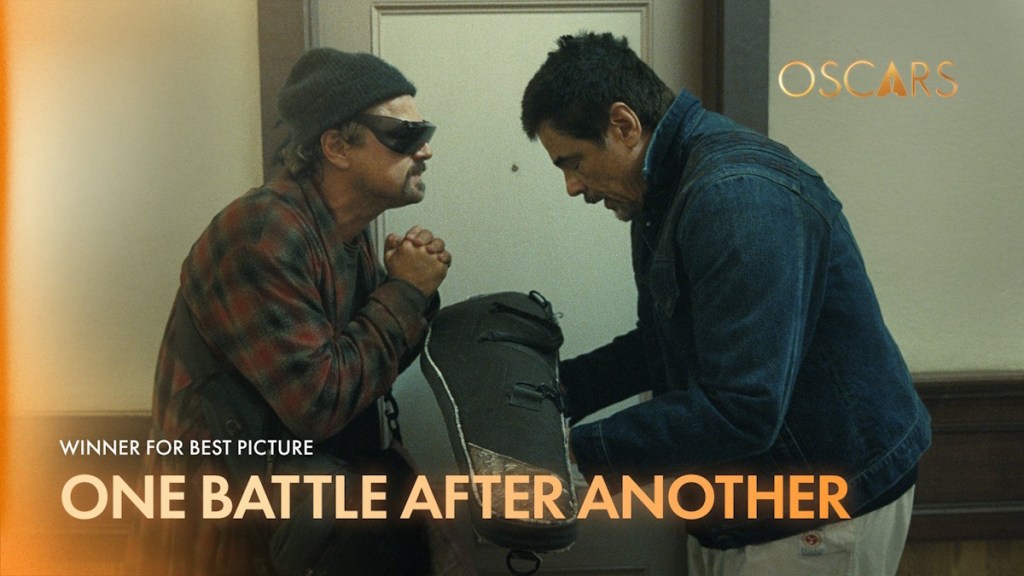
One Battle After Another (OBAA) walked away with Best Picture over Sinners, despite Paul Thomas Anderson taking Best Director.
That split is more common than viewers think: director ballots can diverge from Best Picture ballots when membership mixes taste, legacy, and strategic voting. OBAA’s win confirmed that the Academy favored the film’s broader coalition. For those who loved Sinners, it felt like the awards were pointing in two directions at once — a magician’s sleight that left half the room satisfied and the other half searching for reasons.
Honoring cinema will always leave room for argument — awards are a snapshot, not an archive. You can argue the case of each omission on social platforms like X, or in long-form essays on The Hollywood Reporter, but the question that sticks is: do awards shape what we watch next, or do they simply reflect what we already loved?
Which snub do you think changed the narrative of Oscars 2026 the most?