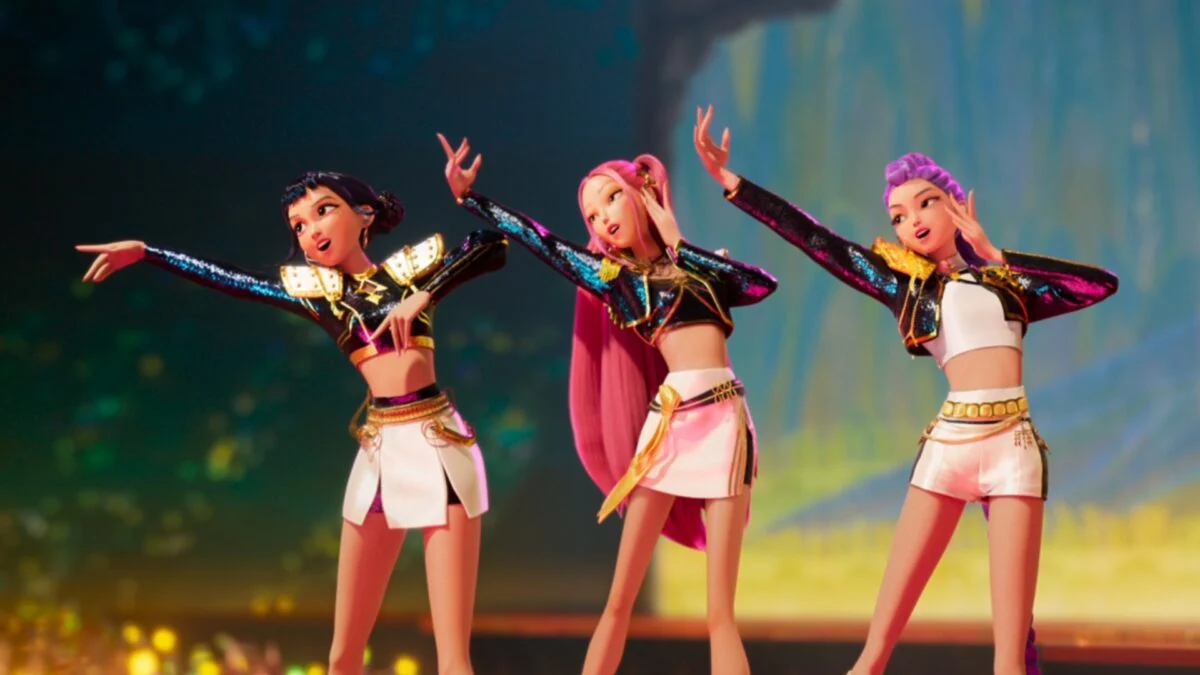
I was in the lobby when the Oscars replay hit my phone: two wins, stunned silence, then a wave of congratulatory DMs. You could feel the moment pivot — a modest indie had become Netflix’s crown jewel. I want to walk you through what that pivot bought Maggie Kang and Chris Appelhans, and why it matters to you as a viewer and an industry watcher.
Short version: Netflix has built a contract that reads more like a TV overall deal than a one-off film check. The headline figure Puck reported — roughly $10,000,000 a year (€9,300,000) guaranteed over an exclusive five-year term — is real money for real patience. It’s a golden safety net for directors whose production timeline will stretch for years.
At a Puck briefing, reporters laid out the clauses and the mood shifted
You’ve probably seen the Puck story by now: Kang and Appelhans aren’t taking a single payday; they’re signing into a multi-year relationship with Netflix. The outlet says both directors are exclusive to Netflix for about five years and together make about $10 million annually (€9,300,000), guaranteed, per sources. That structure resembles the kind of showrunner deals you’d see in TV rather than a one-off theatrical contract.
How much are the KPop Demon Hunters directors being paid?
Answer: The headline is about $10 million per year combined (€9,300,000). That’s a guaranteed floor across the term, not just speculative backend points. For context, Netflix has used similar long-term arrangements before with creators it considers franchise builders, and this helps explain how the company plans to protect a property while animation grinds forward.
In production meetings, Netflix is treating them like franchise stewards
At creative check-ins, the tone isn’t “finish the movie” so much as “build the world.” That’s the practical implication of the deal: Kang and Appelhans will consult on merchandise and offshoots, and they’ve scored a slice of ancillary revenue that begins now — covering makeup kits, glow sticks, and other first-film merch.
Will they receive merchandising and music royalties?
Yes — but with a caveat. They don’t share in music revenue from the first movie; Sony and Republic Records handled that soundtrack deal. For the sequel, however, Puck reports the directors will participate in music money, and they’ll have a say on merch strategy much like the Duffer Brothers do with Stranger Things. The arrangement turns creative control into a revenue lever.
The broader point: Netflix isn’t only paying for creative time. It’s buying oversight. That oversight brings influence over licensing, toys, and spin-offs — and a direct line to profits from those channels. The franchise now has a manager on the payroll.
At a convention booth, the merch tells the future before the sequel is written
Walk any pop-culture vendor alley and you’ll find Huntr/x and Saja Boys shirts already crowding racks. The film’s soundtrack set streaming records and the visuals sell themselves in retail. Netflix’s next move is organizational: sources say the streamer is recruiting an executive specifically to run the KPop Demon Hunters franchise.
When will KPop Demon Hunters 2 arrive?
Short answer: not soon. Animation takes time. Industry whispers put the sequel no earlier than 2029, and possibly later. That explains the five-year exclusivity and guaranteed pay — Netflix needs the directors under contract while a slow, expensive process unfolds.
There are strategic risks here. Netflix has seen how franchises like Stranger Things and Marvel properties become evergreen revenue generators — and it’s betting the same trajectory can apply to Kang and Appelhans’ world. The deal functions as both insurance and leverage: it keeps talent close and ties future profits to their creative fingerprints. The franchise is a cash engine humming behind the scenes.
I’ve watched studios pivot from one-hit wonder to long-term franchise in real time, and this looks deliberately built to scale: guaranteed salary, ancillary shares, creative oversight, and a corporate hire to shepherd expansion. You and I can debate whether that’s art-serving-business or business-serving-art, but the architecture is obvious.
Want more io9 news? Check out when to expect the latest Marvel, Star Wars, and Star Trek releases, what’s next for the DC Universe on film and TV, and everything you need to know about the future of Doctor Who.
If Netflix is paying a combined $10 million per year (€9,300,000) to keep two directors under exclusive contract, is this the new template for turning a smash film into a controlled franchise — or the start of creative friction between commerce and craft?