I was cutting the lawn when a cluster of dahlias began to pulse beneath my shears, and I stopped. You smiled and told me it was the weather; I told you to lock the garden shed. Spring shifts: it grows flowers, pollen—and stories that make you check the back door twice.
Annihilation (2018)
When a municipal preserve goes off-limits, the newspapers stop printing photos and start printing questions.
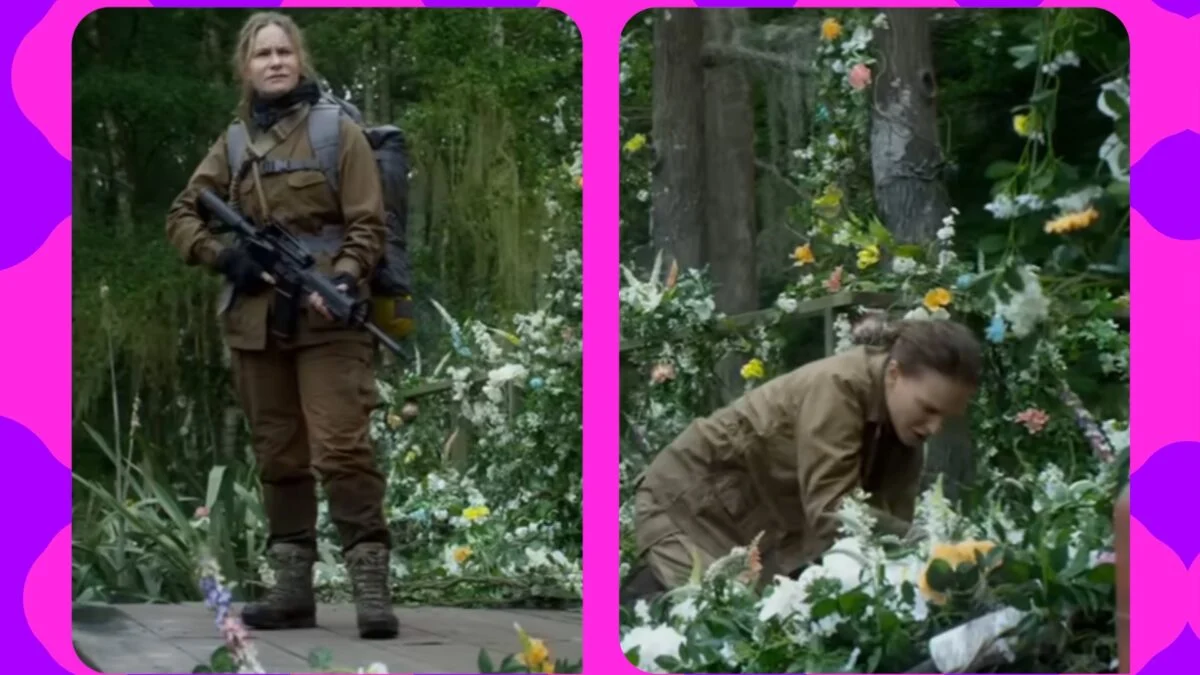
I trust Alex Garland to mix science and dread; his Annihilation adapts Jeff VanderMeer with a director’s precision and a writer’s patience. Natalie Portman leads a team into “the Shimmer,” where plants rearrange themselves and biology reads like a foreign language. The movie smartens horror with botanical terror and visual audacity—if you check IMDb or Rotten Tomatoes, critics point to its willingness to be weird rather than comforting.
April Fool’s Day (1986)
On island weekends, sunscreen and secrets share the same canvas.
This glossy ’80s slasher stages a college retreat that turns viciously social. Amy Steel carries the film’s fear in her face; Deborah Foreman brings small-town charisma. The twist plays the calendar against you—April 1st is a joke that stops being funny one body at a time.
Critters 2: The Main Course (1988)
When towns hang pastel eggs on lawns, an extra one in the yard looks innocent—until it hatches.
Mick Garris directs this splattery sequel with mischievous relish; the Critters return to Grover’s Bend during its egg hunt. Terrence Mann, Scott Grimes, and a man in an Easter Bunny suit who doesn’t survive the job give the film a gleeful B-movie heartbeat. If you want creature-feature thrills that pair well with old-school practical effects, this one scratches an itch Netflix occasionally cannot.
What horror movies are set in spring?
Many films use spring’s trappings—blooms, holidays, break weeks—to disarm you before the threat surfaces. From folk rites in The Wicker Man to the messy tourism of Midsommar, spring provides a daylight canvas where dread feels wrong and therefore more dangerous.
The Fog (1980)
Coastal towns throw centennial fairs when history is old enough to make noise.
John Carpenter stages Antonio Bay’s anniversary as a townwide confession. Jamie Lee Curtis anchors the human panic while spectral mariners reclaim a ledger of wrongs. The fog itself is cinematic currency: it buys time, then spends it on vengeance. If you want an example of how atmosphere becomes character, this is it.
The Happening (2008)
When houseplants start to make you nervous, you stop trusting your living room.
M. Night Shyamalan aimed for eco-horror, and what results is an unnerving premise—flora fighting back by poisoning human minds. Mark Wahlberg carries the film’s fear through ordinary streets and gas stations. It forces you to stare at the Monstera in your apartment with new suspicion; the movie’s idea is small and terrible, and it lingers.
Nightmare Beach (1989)
Spring break sets trade: sun for sin, bikinis for bravado.
Umberto Lenzi’s exploitation entry revels in glossy violence and low-budget audacity. A motorcyclist’s death in the electric chair starts a chain of reprisals that turn the boardwalk into a crime scene. John Saxon’s cop work supplies the moral thread; the film invites you to swim in its chaos if you’re willing to surrender your disbelief at the ticket booth.
Piranha 3D (2010)
When the lake trembles after an earthquake, the party should have ended at the parking lot.
Alexandre Aja stages spring break carnage with a wink and a blood spray. An earthquake opens the lake to ancient teeth, and the cast—Elisabeth Shue, Christopher Lloyd, Adam Scott—keeps the tone gleefully profane. The movie trades subtlety for spectacle, and its fans trade criticism for the kind of joyous gross-out only practical gills can sell.
Which films feature killer plants?
Annihilation and The Happening are the headline acts in botanical horror, but indie titles and shorts on platforms like Vimeo and YouTube extend the theme into micro-terrors—gardens that watch, hedges that wait. If you want a list for a themed streaming night, Rotten Tomatoes and Criterion browsing are good places to chart the field.
The Wicker Man (1973)
When small islands sell traditions as hospitality, the brochure often hides the fine print.
The British classic opens at April’s tail and walks you into May Day rites that smell of flowers and intent. Edward Woodward’s cop is polite, isolated, wrong-footed—and the islanders’ worship is staged with a harvest logic that gradually eats his reason. The finale is one of cinema’s most patient tortures, and it still divides viewers between anger and awe.
What are the best horror films for spring break?
If your spring break plans involve beaches, start with Piranha 3D and Nightmare Beach for camp and carnage; if you prefer ritual and daylight dread, pick The Wicker Man or Midsommar (A24 released the latter). Use IMDb to check showtimes, and Rotten Tomatoes for consensus—your tolerance for gore will guide the final choice.
Midsommar (A24) earns its mention despite sitting closer to summer; watching its maypole scene will keep anniversaries awkward at family gatherings. The island rites in The Wicker Man and the contagion in The Happening prove that spring’s fragile cheer makes for effective horror, and if daylight can turn on you then what safe corner remains? The grass might be growing—are you going to mow it or run for the truck?