I stood beneath a single poster in a half-empty theater and heard two people argue about whether any new story could honor Tolkien. You, a longtime fan, have felt that same tension when a franchise returns to the table. The rumor has become a press release.
I’ve tracked franchise whispers long enough to know the nervous thrill of announcements. You don’t need a primer: Warner Bros. just confirmed a fresh movie, Lord of the Rings: Shadow of the Past, and it comes with a surprising co-writer credit—Stephen Colbert—alongside series veterans.
At a crowded concession stand, two fans whisper about whether a sequel can feel honest
I listened to every variant of hope and suspicion. The producers—WingNut Films with Spartina Industries—are the same architecture team that supported Peter Jackson’s films, and the writing trio includes Phillipa Boyens and Peter McGee plus Colbert, who admitted the idea began as a conversation with his son.
What matters here is authority: Boyens brings franchise muscle, WingNut brings institutional memory, and Warner Bros. brings distribution heft. If you want a shorthand, think of it as the old map being handled by the same cartographers.
Is Stephen Colbert writing a Lord of the Rings movie?
Yes. Colbert is credited as a co-writer. He says the seed came from five chapters in The Fellowship of the Ring—the Tom Bombadil episodes—that Jackson’s films omitted. Colbert only moved from idea to script after his schedule on The Late Show With Stephen Colbert became more flexible, and production sources confirm he began focused work over the summer.
On a bookshelf where the original volumes sit with dog-eared pages, readers ask what story remains untold
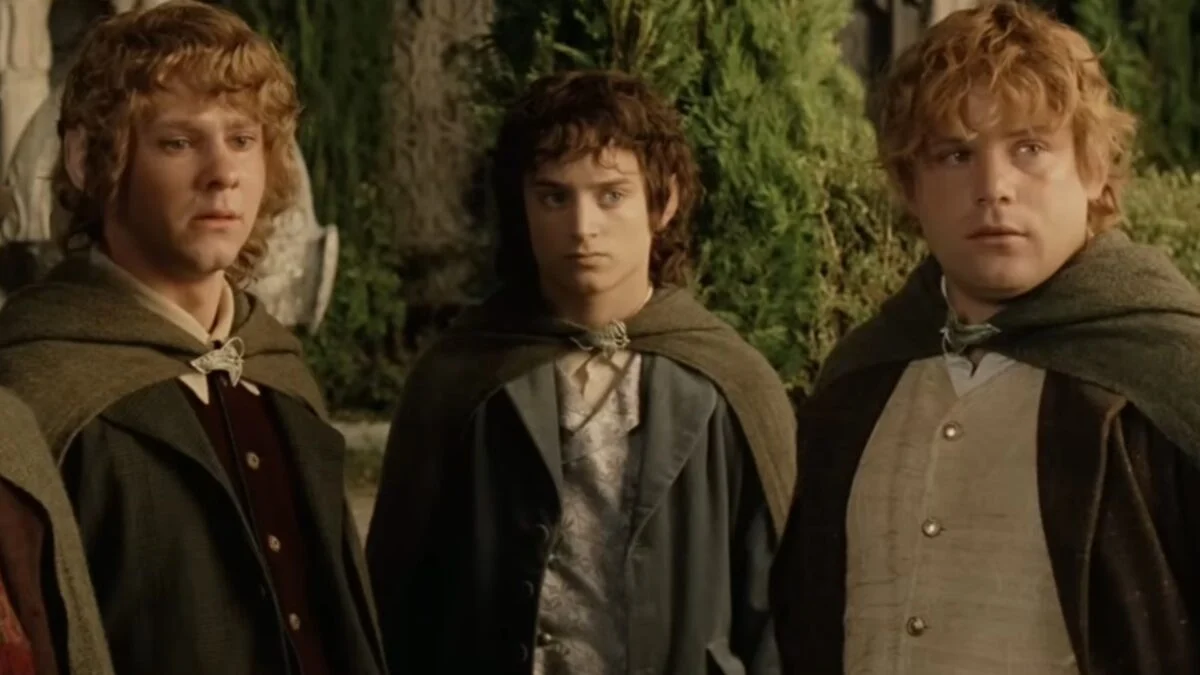
I pulled those exact chapters off my shelf and read them again. The announced film is set 14 years after Return of the King, centering on Sam, Merry, and Pippin as they “retrace the first steps of their adventure,” while Sam’s daughter Elanor pursues her own secret that could have derailed the original quest.
The new plot hooks into five short but memorable chapters—Tom Bombadil’s territory and the Hobbits’ early panic. That material is small, strange, and oddly fertile; it’s like a faded map found in an attic—it asks you to squint and imagine the terrain afresh.
When is Shadow of the Past set?
The film takes place 14 years after Frodo’s departure to the West, an era of quiet that still carries old dangers. The framing device will likely be the three Hobbits remembering their earlier journey while Elanor uncovers a hidden strand of the War of the Ring.
In a dim green room producers swap names and potential cast lists while a publicist times the announcement
I’ve been in those rooms; the single sharp thing is negotiation. Warner Bros. hasn’t confirmed casting yet, but the framing invites Sean Astin, Dominic Monaghan, and Billy Boyd back as Sam, Merry, and Pippin—Hollywood loves a reunion, and that trio is the easiest emotional sell.
On the business side, this is a franchise play with creative curiosity: WingNut and Spartina carry the craftsmanship, Colbert brings fresh cultural voice, and Boyens supplies the connective tissue to Jackson’s films. The conversation will land on budgets, schedules, and whether audiences want a sentimental return or a story that complicates memory—like a campfire story that finds new embers.
Will the original cast return?
No official casting has been announced, but the film’s structure makes a comeback plausible. Production is positioning the story as both reunion and rediscovery, which favors familiar faces—if schedules, interest, and SAG negotiations align.
I’ll keep watching the trades—Variety, Deadline, and the studio channels—for casting updates and production dates, because this is the moment when rumor becomes reality and choices on set decide what fans will call canon. If you could weigh in: should a new film protect Tolkien’s quiet corners, or is it time to rewrite part of the map for modern viewers?