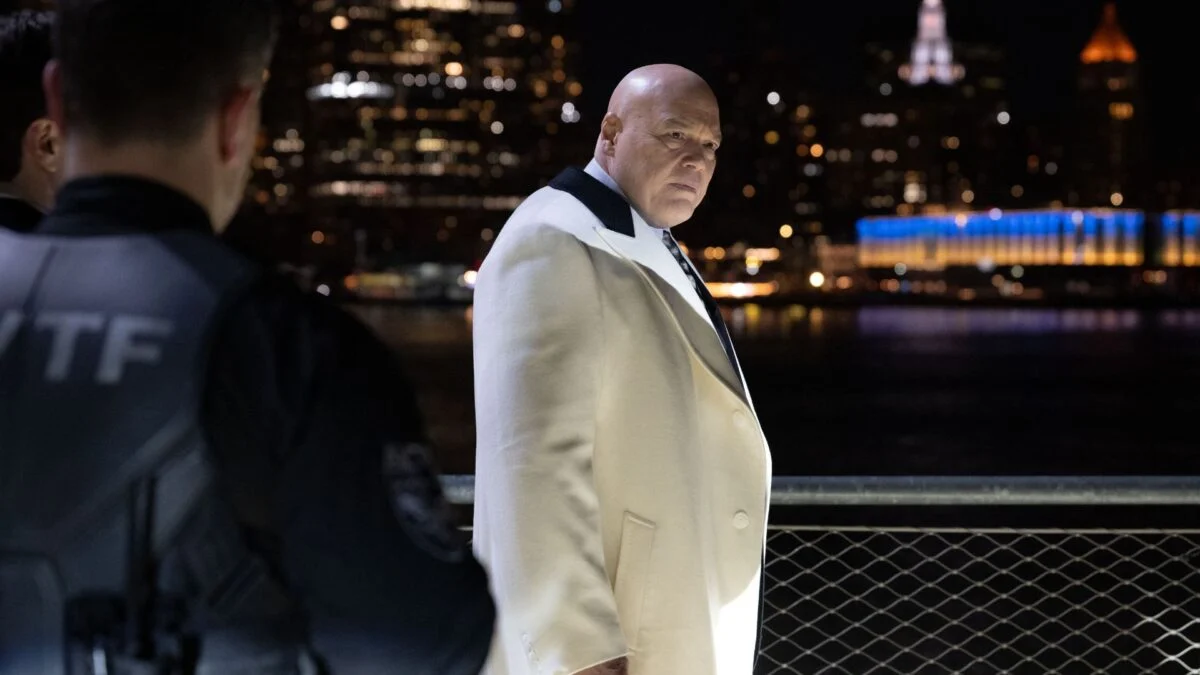
I was five minutes into the Daredevil: Born Again season-two premiere when the on-screen task force felt less like comic-book theater and more like a city bulletin. You probably felt it too — the hair-on-the-back-of-your-neck moment where fiction and front-page headlines overlap, like a courtroom painting where the colors keep bleeding. I remember asking the person next to me: “Did they write this after the news cycle, or did the news copy the script?”
I’m going to walk you through what Marvel said and what that actually means for the show, for politics on streaming platforms, and for you when you log into Disney+. I’ll point to the people who set the tone — Brad Winderbaum, Stan Lee’s old maxim about reflection, Tony Gilroy’s Andor run-in with Disney — and show how a story written years ago now reads like current events. You don’t need me to tell you there’s power in timing; you need context so you can decide whether the coincidence lands as design or as accident.
The city saw federal teams on its streets — and the premiere felt like an echo
Across American headlines, the sight of organized federal units operating inside cities has been a recurring, headline-making image.
Marvel’s show centers on an Anti-Vigilante Task Force, a well-funded, armed unit operating at Mayor Fisk’s direction. At the premiere, that setup lands with a weird, uncomfortable familiarity. Brad Winderbaum told Variety the series was written “nearly two years ago” and that any reflection of the present is “coincidental.” I believe him when he says the writers weren’t scripting a moment-to-moment copy of contemporary policy, but I also know how cultural artifacts and political moves can converge without any single author intending it.
Is Daredevil: Born Again based on real events?
No one at Marvel claims the script is a direct lift from one event. The writers pulled from decades of policing, city politics, and Marvel canon. Still, when you watch a professionalized unit round up people the mayor calls “problems,” the image resonates with recent stories about federal tactics and immigration enforcement. That resonance is less a conspiracy than the result of shared language and shared institutions.
Variety reported what Winderbaum said — and the industry heard it
At premieres, studios and critics meet on neutral ground, but their headlines travel fast.
Winderbaum’s quote — “Any kind of reflection on reality is coincidental” — is a classic studio deflection and an honest one. He also invoked Stan Lee’s old line that Marvel “reflects the world outside our window.” You should read both as operating truths: a legal-safe line, and a creative admission. The industry context matters here: Disney executives manage brand risk on a global streaming product, and they balance creative risk with corporate exposure. Tony Gilroy’s anecdote about Disney asking him not to use the word “fascism” on Andor is a reminder that studios sometimes prefer implication over explicit naming.
Did Marvel intend to comment on ICE or Trump?
Marvel declined to say the show was a targeted take on Immigration and Customs Enforcement or any single political figure. That’s consistent with Winderbaum’s comment. But the slippery part is the audience’s reading: viewers bring their knowledge of current events to the screen. The creative team created a plausible authoritarian tool in Fisk’s hands; viewers supplied the contemporary frame. That’s how storytelling becomes political without issuing a press release.
Fans and critics responded in real time — social platforms amplified it
On Twitter and X, clipable moments become arguments; on Reddit, scene beats become evidence piles.
You’ve seen the pattern: a clip drops, influencers tag politicians, and narratives form. That doesn’t make the creators guilty of scripting the news, but it does make streaming services and marketing teams aware of how a scene can be weaponized in discourse. Disney+ now has a title that will be discussed in op-eds, think pieces, and late-night monologues for weeks. Studios track that through analytics tools and social listening platforms; those signals shape messaging in subsequent episodes and press rounds.
I’ll say this plainly: the show was written earlier, but the show’s themes fit today like a glove being tried on under hot lights. It’s a mirror with a crack that reshapes the reflection.
Want more io9 news? Check out when to expect the latest Marvel, Star Wars, and Star Trek releases, what’s next for the DC Universe on film and TV, and everything you need to know about the future of Doctor Who.
The Daredevil: Born Again season-two premiere is on Disney+ now, and new episodes drop weekly. If Marvel insists the real-world echoes are coincidence, will you accept that answer or read the show as a deliberate mirror of the moment?