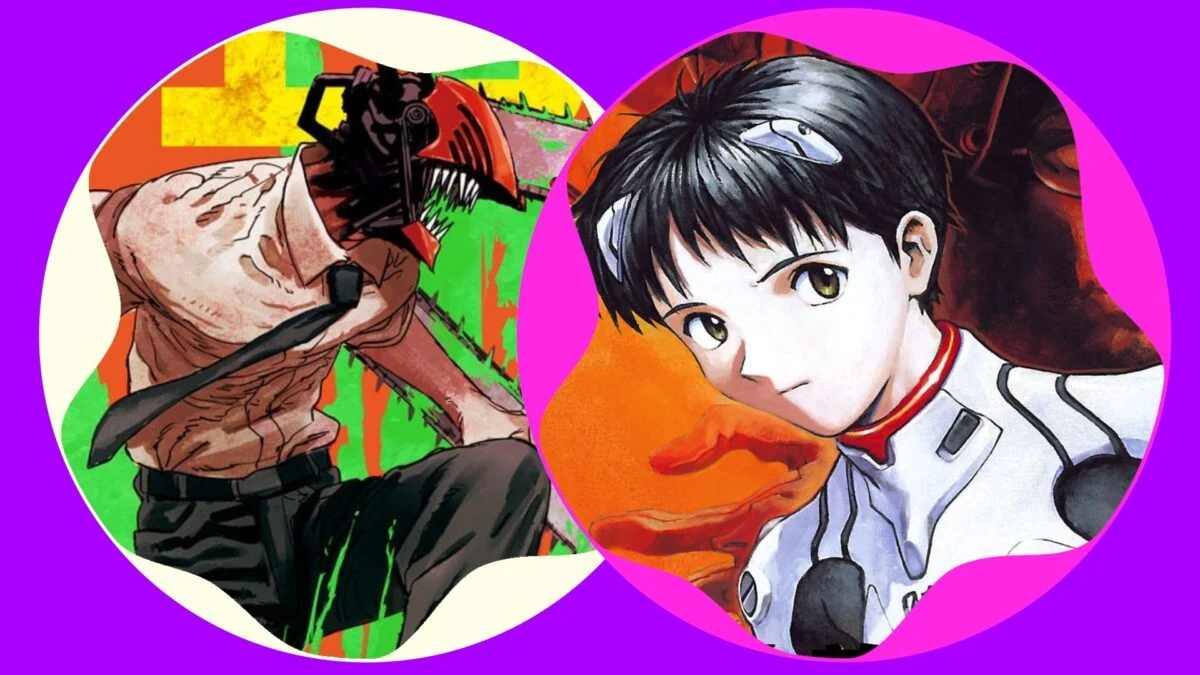
Denji wakes up where the manga began: a shed, confused, with a conversation that reads like a last appointment. Pochita tells him it’s time to go, and what follows is gentle, strange, and quietly fierce. Half the audience cheered; the other half felt robbed.

I’ve watched finales tilt into culture wars before, and if you want to understand what Fujimoto did, you need a map of the crossfire. You and I both know how a single last chapter can become a hashtag battlefield, a set of essays, and a therapy session all at once. I’ll walk you through why Chainsaw Man’s last page reads like Evangelion’s old ghost—same fault lines, different debris.
The Shonen Jump and Manga Plus servers crashed the moment chapter 232 went live.
You saw the downtime notices and the memes. That panic is a measurement of ownership: people don’t flood a server for something they don’t care about. The vitriol and the love that followed are both proofs of attention.
Fujimoto closed Part 2 in a way that split reactions like tectonic plates—quiet, inexorable, and capable of rupturing cities of opinion. Denji ends back in the shed, memory hazy, having been forgiven by Pochita and handed a kind of erasure that reads as mercy on paper and betrayal in some feeds.
How does Chainsaw Man end?
Denji loses historical memory of his prior life, Pochita departs after a frank goodbye, Power is restored as partner, and Asa Mitaka’s arc reaches a fragile reconciliation with Denji’s promise to save. The final pages stitch pastoral warmth onto a series that spent most of its time asking what being human costs and who gets to keep the bill.

Two finales stopped the plot and started talking like a therapy session in public.
When Evangelion cut to interior monologues and applauding strangers, viewers were not prepared to be addressed instead of entertained. I remember the moment the broadcast shifted; it felt like the medium had turned its camera inward. That kind of candid emotional work is what both Hideaki Anno and Tatsuki Fujimoto folded into their endings: confession as plot device.
Fujimoto stages his last chat between Denji and Pochita as an honest reckoning about promises, pleasure, and the cost of living a life written for you. It’s personal, messy, and intentional. Fujimoto held the finale up like a cracked mirror—clear enough to recognize yourself, broken enough to refuse comfortable reflections.
Why is Evangelion’s ending controversial?
Because Anno stopped giving external answers and offered an internal cure: therapy, self-examination, and an ending that read as the creator working through his life on-screen. That choice alienated viewers expecting plot closure instead of an emotional autopsy, and launched decades of debate—and later works like The End of Evangelion that tried to answer different questions.

On X, YouTube, and TikTok the conversation multiplied faster than any editorial calendar could.
When a finale lands, you see immediate fragmentation: threads, essays, clips, and reaction videos stacking like quick scaffolding. You notice how quickly labels appear—“Disneysaw” for the happy ending, or comparisons to The Big Lebowski—and how platforms monetize interpretation through views and shares.
That ecosystem keeps both works alive. Video essays on YouTube, threads on X, and TikTok explainers turn ambiguous finales into evergreen content, and sites like Kotaku and GamesRadar catalog the backlash so it becomes source material for another argument. You consume the end and then you consume the debate about the end; that loop fuels attention.
What do Chainsaw Man and Evangelion have in common?
Both were made by creators who folded personal crisis and formal experimentation into mainstream genre work. Both ended by asking readers to accept the story’s emotional truth rather than the tidy plot closure fandom often demands. Both produced furious love and equal amounts of grief in the same measure.
Creators turn pain into structure, and that makes endings feel like confessions at the register.
Hideaki Anno’s public battles and Fujimoto’s meta-one-shots are not identical, but they share a willingness to trade spectacle for conscience. You can see the lineage: Devilman to Evangelion to Chainsaw Man—works that treat genre forms as scaffolding for very personal inquiries.
That willingness is why these finales will be argued over for years. It’s also why they become labs for younger creators—Yoko Taro and others are watching, as are editors at Shonen Jump and platforms like VIZ and Manga Plus. The debates now will shape pitches, scripts, and the next generation of risks.
If you measure success by attention, Fujimoto succeeded: people crashed servers, made memes, and turned the ending into content that feeds algorithms. If you measure it by unanimity, he failed, and that is the point. An ending that divides is an ending that persists.


So where does that leave you as a reader, critic, or creator? You can choose to be part of the argument or step back and re-read the pages that uneasy you. Either response keeps the work alive, and that may be the point: an ending that refuses to vanish asks us to keep arguing with it. Which side will you be on?