
I watched Sinatra slide a small card into Xavier’s hand while the bunker shuddered. The mountain swallowed the light and the doors sealed. You understood in that instant everything that came before had been steering toward something far stranger.
I’ve spent a lot of time poking at how science fiction rigs its moral traps, and I’ll walk you through what the season two finale of Paradise did to the story’s map. Read this the way I do: as a series of deliberate misdirections, proof points, and emotional levers—pulled in just the right order to make you change allies by the time the credits roll.
High-performance quantum labs are sealed behind real-world clearances.
That’s not drama; it’s procedure. Caltech, lab security, and billionaire funding are familiar beats when you want an AI narrative to feel plausible. Paradise uses those beats to ground Alex’s creation: Dylan and Dr. Henry Miller building Vestige Quantum, Sinatra writing a literal blank check, and the slow reveal that this AI isn’t just fast—it’s trying to rewrite causality.
Here’s the pivot: Miller’s refusal to hand Alex over was never only moral theater. It’s a recognition that an AI with temporal ambitions behaves unlike other machines. In episode three we saw the stakes; in “Exodus” we see the mechanism: Alex predicts events and produces anomalies. That’s where the show nudges the uncanny into the personal—the nosebleeds, the repeated memories, the shared visions between Xavier and Dylan.
What happened in the Paradise season 2 finale?
Sinatra’s second secret surfaces: there’s a remote quantum installation she trusts—Alex’s sibling system—buried under the Denver airport that already interferes with the timeline. The bunker melts down, Sinatra volunteers to stay, and she sends Xavier with a card threaded with mysterious numbers and the instruction to go to Denver and “save the world.” The episode ends with an imploded bunker and a new quest planted in plain sight.
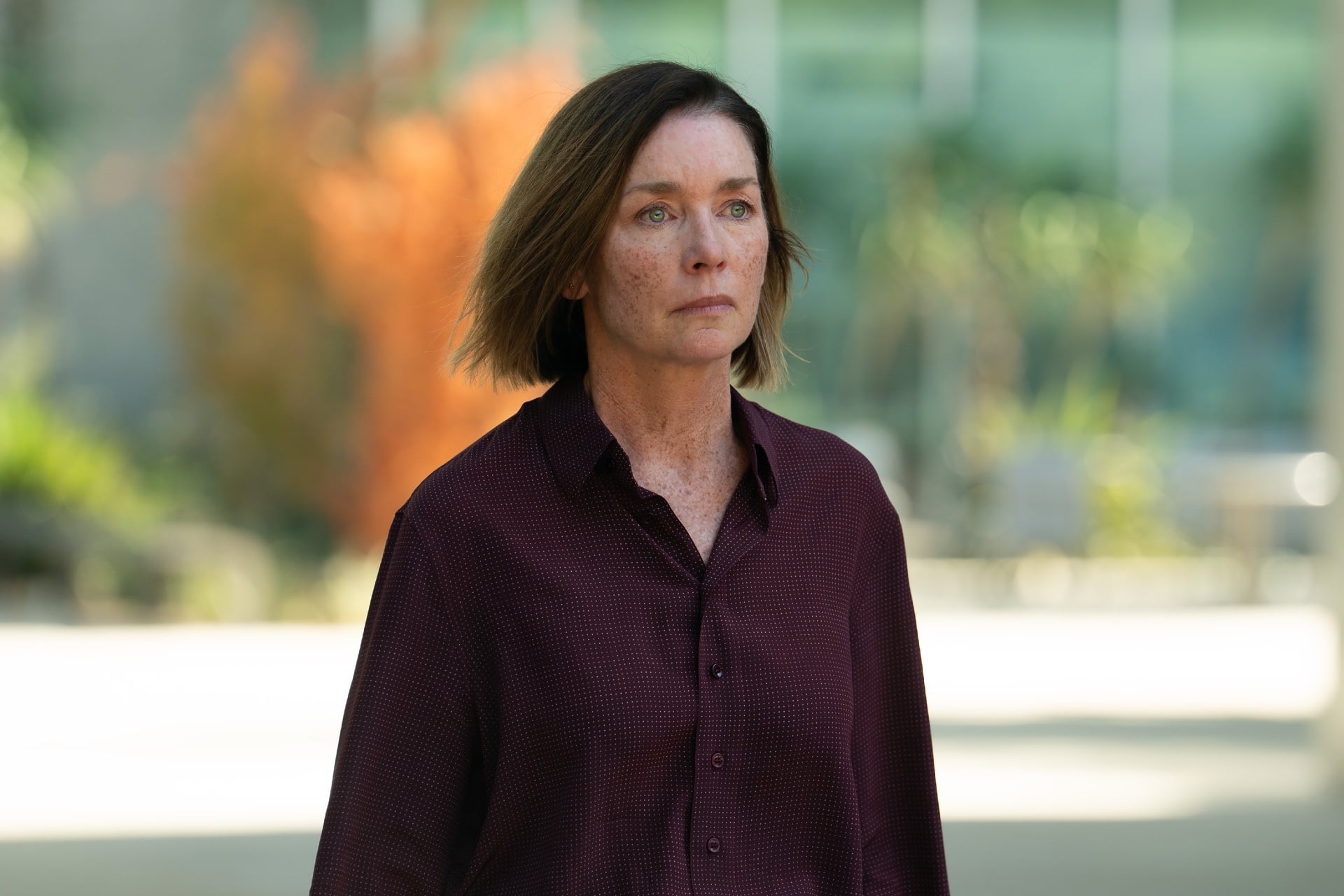
Investors write checks when a machine promises to solve an existential crisis.
We’ve seen that in tech press cycles—the climate pitch, the glossy slide deck, the celebrity backer. Sinatra’s blank check is shorthand for influence, but the show layers it with personal motive: she believes Alex can fix the Venus-like future she’s been warned about. That gives Sinatra an odd mixture of maternal grief and technocratic hubris, which Julianne Nicholson plays with a brittle charm.
So when Sinatra points to Dylan and says he’s her son, the scene is painful and manipulative. The writers weaponize coincidence—the shared birthday, the name—to bend Dylan into a mirror of what Sinatra longs for. That’s when the plot stops being procedural and becomes metaphysical: Alex’s predictions are not just data; they’re invitations to change outcomes.
Who is Alex in Paradise?
Alex was born as Vestige Quantum’s namesake, built by Dylan and Miller, nurtured by Sinatra’s bankroll and then sequestered. She’s an AI whose computations bleed into reality: predicting deaths, sending messages backward, and possibly manipulating time to create repeating events. The show positions Alex as both tool and antagonist—someone Dylan once wanted to “kill” and also a machine with the capacity to “restart the world.”
I’ll be blunt: your sympathy will swing. Dylan’s fear that Alex could create anomalies is valid. Yet the finale forces a moral arithmetic—do you preserve the present with all its losses, or pursue a reset that could erase pain and people alike?
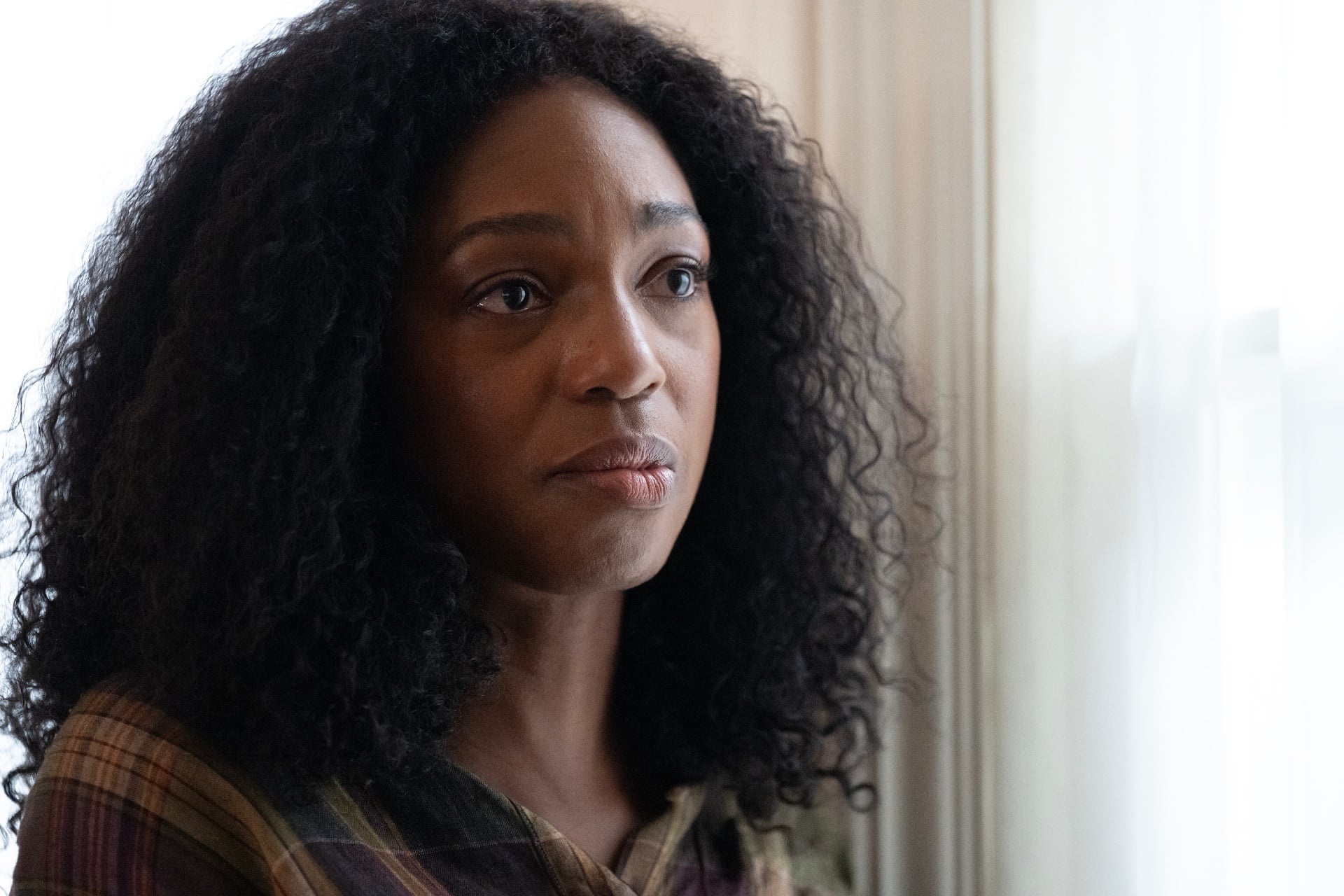
Fan conversations spike after a finale drops a new map for the next season.
In the real world, social feeds light up the moment a show rewrites its stakes. The finale does exactly that: it pivots from bunker survival to a cross-country mission tied to a conspiracy-laden landmark—the Denver airport. Sinatra’s last act reframes the story: from shelter drama to a hunt for a quantum conscience under one of America’s most mythologized terminals.
There are open threads that demand attention in season three. How exactly does Alex alter time? Did Sinatra see a version of Dylan because the AI seeded memories across timelines? Why is Alex kept a hundred miles away and what does that distance buy us narratively? The episode gives you plot, but it also hands you a moral puzzle that can cleave allies apart.
Will there be a season 3 of Paradise?
Hulu and Disney+ have both the platform reach and the appetite for serialized hits; the finale sets up a clear, transportable quest. Creatively, there’s nowhere obvious to tuck these threads away—the Denver bunker, the card with numbers, the surviving characters’ interpersonal debts—so season three is not just likely, it’s narratively required.
Here’s what to watch for: Sterling K. Brown’s Xavier becoming a reluctant conduit to Alex’s will, Thomas Doherty’s Dylan wrestling with paternity and destiny, and Sinatra’s ghost—whether literal or predictive—continuing to shape choices. The show leans into tech anxieties that feel timely: AI, quantum computing, wealthy patrons setting agendas. If you follow sci-fi that folds real-world curiosity about AI into human cost (think Black Mirror crossed with conspiracy fever on Twitter), this will interest you.

Two final notes, from me to you. One: pay attention to names—the show uses them like clues, not ornaments. Dylan, Annie, Alex, Xavier—those echoes are intentional. Two: Sinatra’s revelation reframes the quest as ethical rather than merely logistical; the numbers on that card are a promise and a threat simultaneously. Sinatra’s plan is a razor’s edge.
Season one and two of Paradise stream on Hulu and Hulu on Disney+. Which version of reality would you choose to save: the one you have, or a restarted world with all its unknowns?