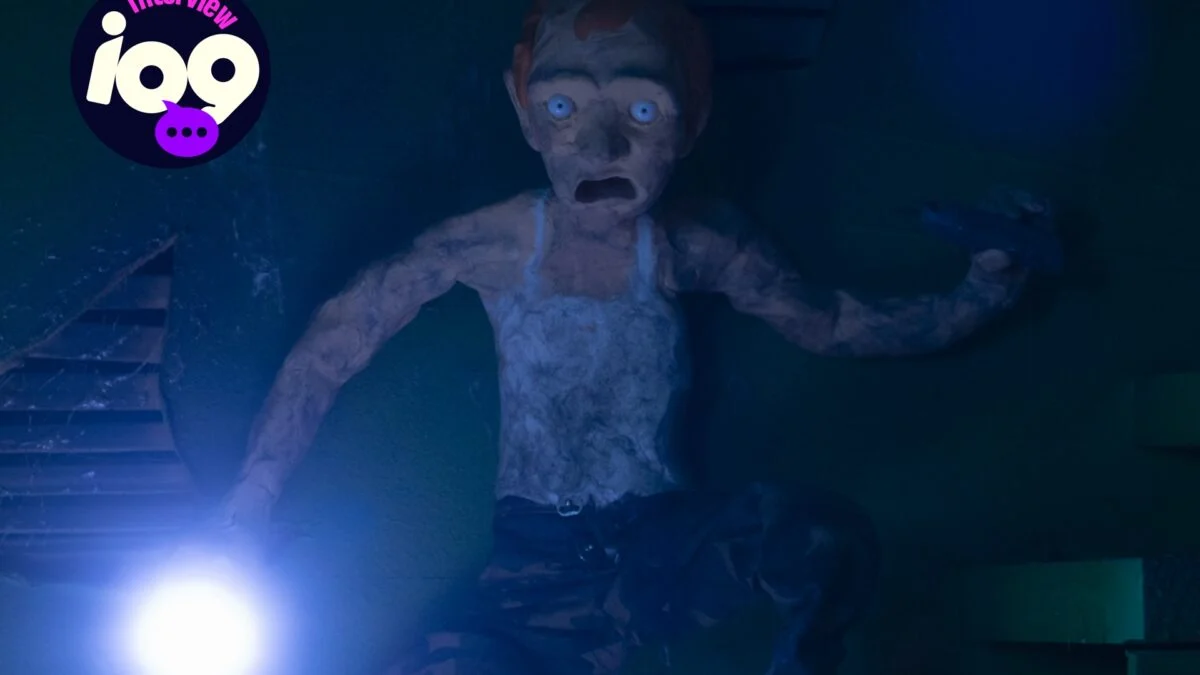
I thought April Fools’ Day would hand me another bait-and-switch. Instead, Adult Swim shoved an 11-minute claymation horror into the lineup and I stopped scrolling. You could see the silence on Mr. Boss’ face—utter, unguarded astonishment.
I talked to Lee Hardcastle, the claymation artist who turned a throwaway gag from Smiling Friends into Ghosts ’n Chainsaws, so you can hear what actually happened behind the curtain and why this tiny short matters more than it seems.
Adult Swim ran an April Fools’ gag that refused to stay a gag.
Adult Swim asked for a short sting—an ending that suggested a non-existent movie. That was the original brief: the joke would be the existence of the nonexistent film. Lee told me he even asked for the option to expand it for festivals and was told no, so he left it as a 15‑second tease and posted a joke on Instagram claiming it was the finale of his two‑hour epic.
Someone at Adult Swim then circled back and asked, “Can you actually make that?” Lee laughed and made the short. He reverse-engineered the rest of the story to land on that original ending, building an 11‑minute piece that fits into the eccentric tapestry of Smiling Friends rather than sitting beside it.
How did Adult Swim release Ghosts ’n Chainsaws?
They slipped it into an April Fools’ airing of the season three horror episode, letting the short land as a surprise rather than a headline. The sting originally played as the final seconds of an invented film in “Curse of the Green Halloween Witch.” After the Instagram joke and internal interest, Adult Swim greenlit a full short and used April 1st to drop it—subverting the usual prank expectations and turning attention into a quiet, spreading buzz.
Claymation still rewards fingerprints and patience.
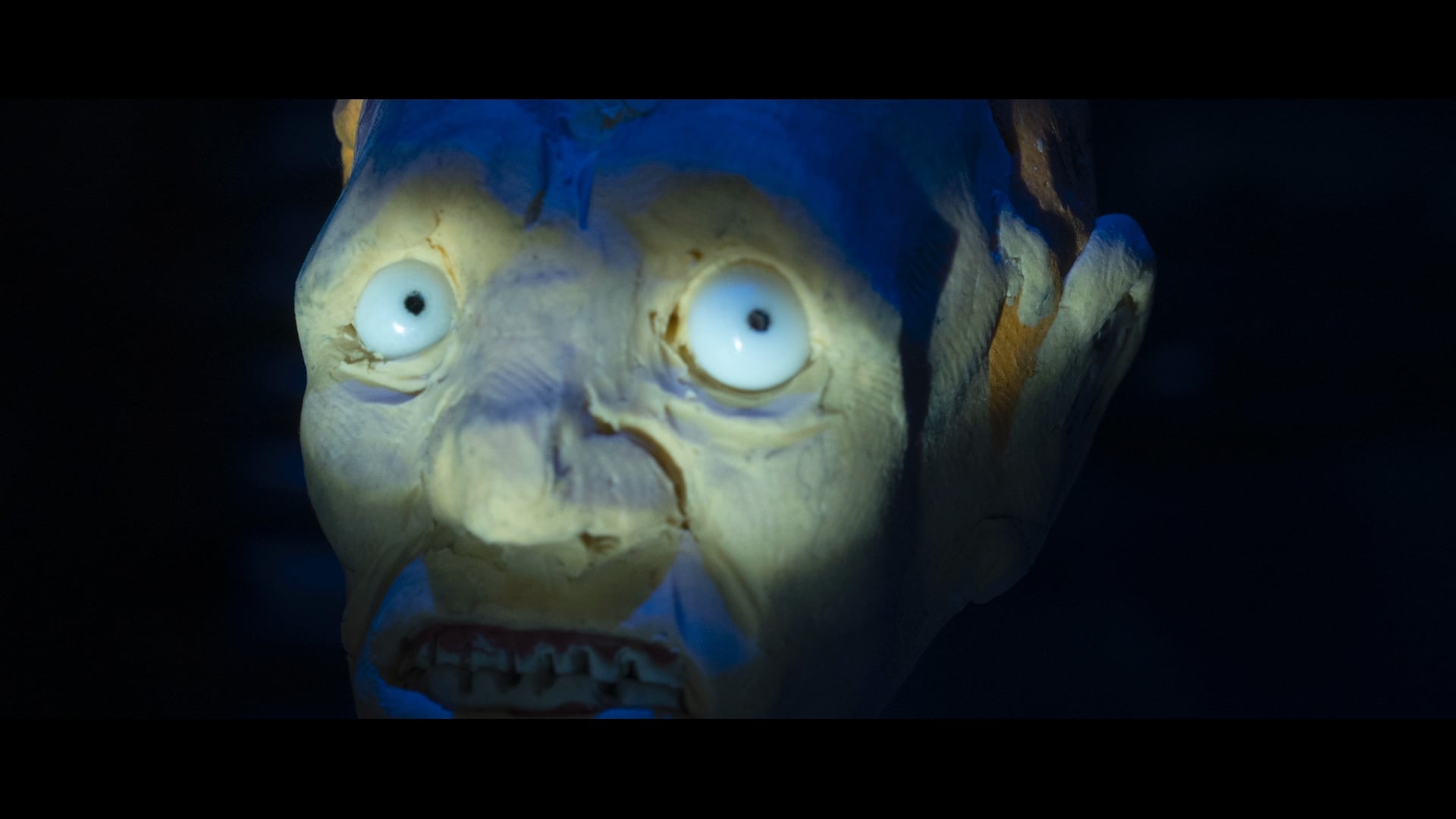
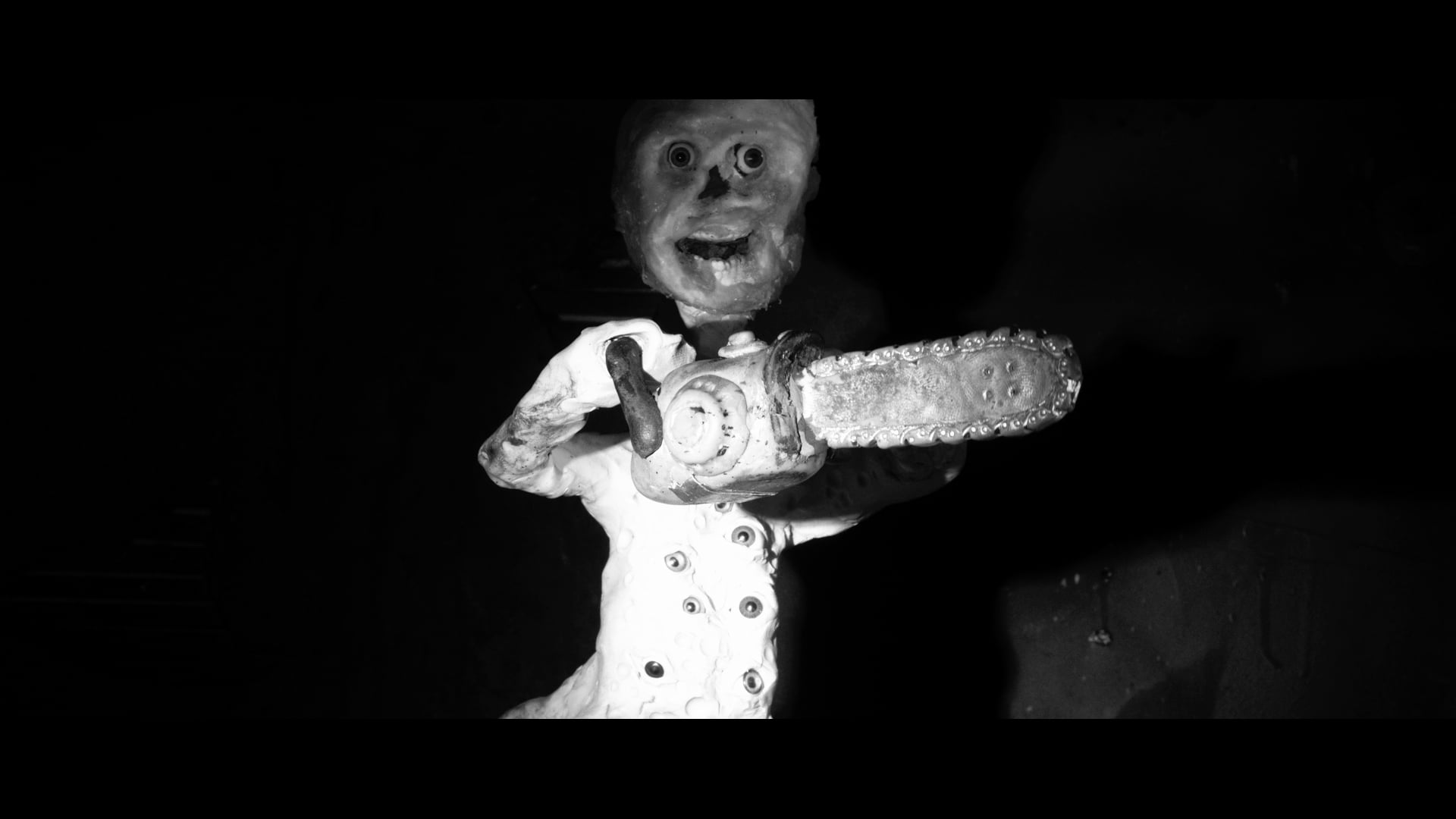
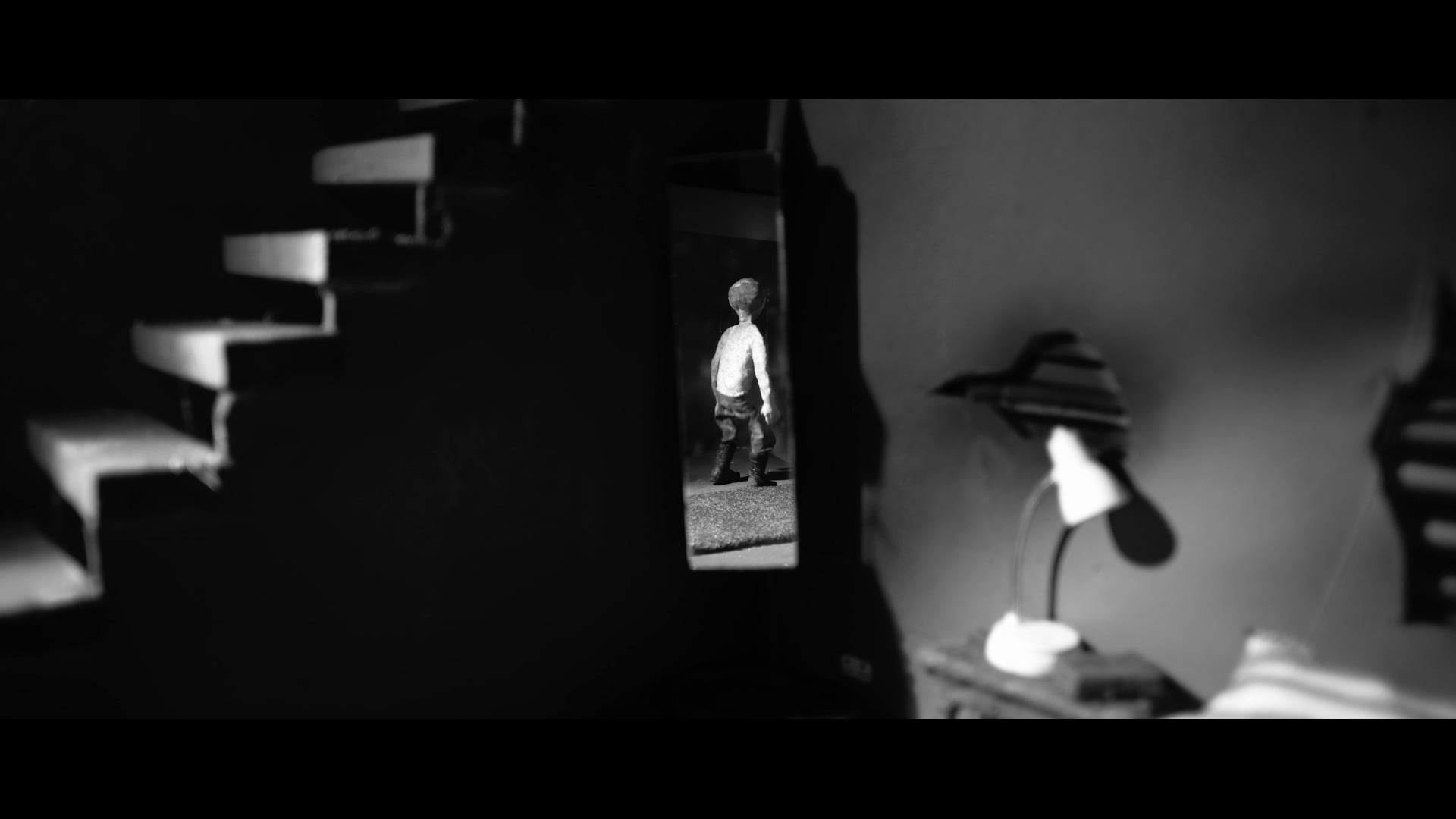
Clay refuses to be sterile; those tiny imperfections sell the physicality. Lee leaned into that truth: fingerprints, slight warping, minimal cleanup, and practical lighting that lets things fall into darkness. He kept setups hands-on and used rig swaps and shooting-on-twos to save labor, but the animation itself ate time.
Lighting does heavy work in horror—directional beams and hard shadows give the short its oppressive tone. The effect is almost chemical, like a film negative you hold up and read anew each time.
How long did the claymation short take to make?
Lee had three months total: one month to write, sculpt, and build sets; two months to animate. Animation, he says, is relentless—the frame‑by‑frame grind, maintaining consistent lighting and mood, sleeping in the studio. That continuity is exhausting in a way that’s hard to explain; you live inside the character’s mental weather for weeks.
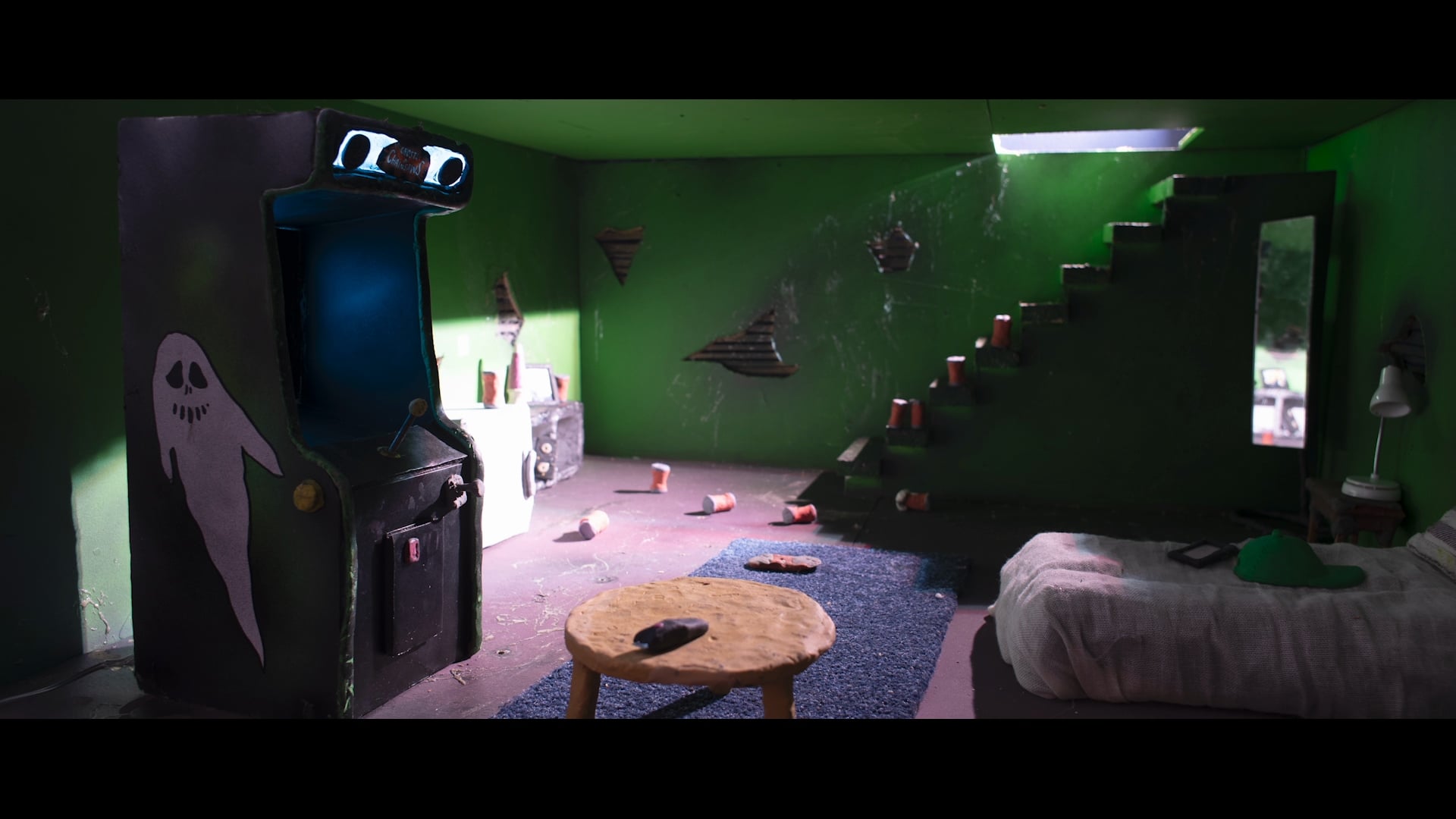
The internet community rescued an idea and gave it a stage.
Online animation scenes and Adult Swim’s curation intersect constantly. Lee had worked with Adult Swim before and slid into the Smiling Friends orbit after messaging Zach Hadel; Zach and Michael Cusack were already floating his name. That network effect made it possible to resurrect bits of Lee’s abandoned project Spook Train through the show.
People had asked about Spook Train for years—after a Kickstarter failed and self-funding attempts stalled—so seeing its DNA resurface in Ghosts ’n Chainsaws felt roughly like opening an old attic trunk and finding a postcard from a canceled dream, as if someone rewired your childhood toy and pressed the power button again.
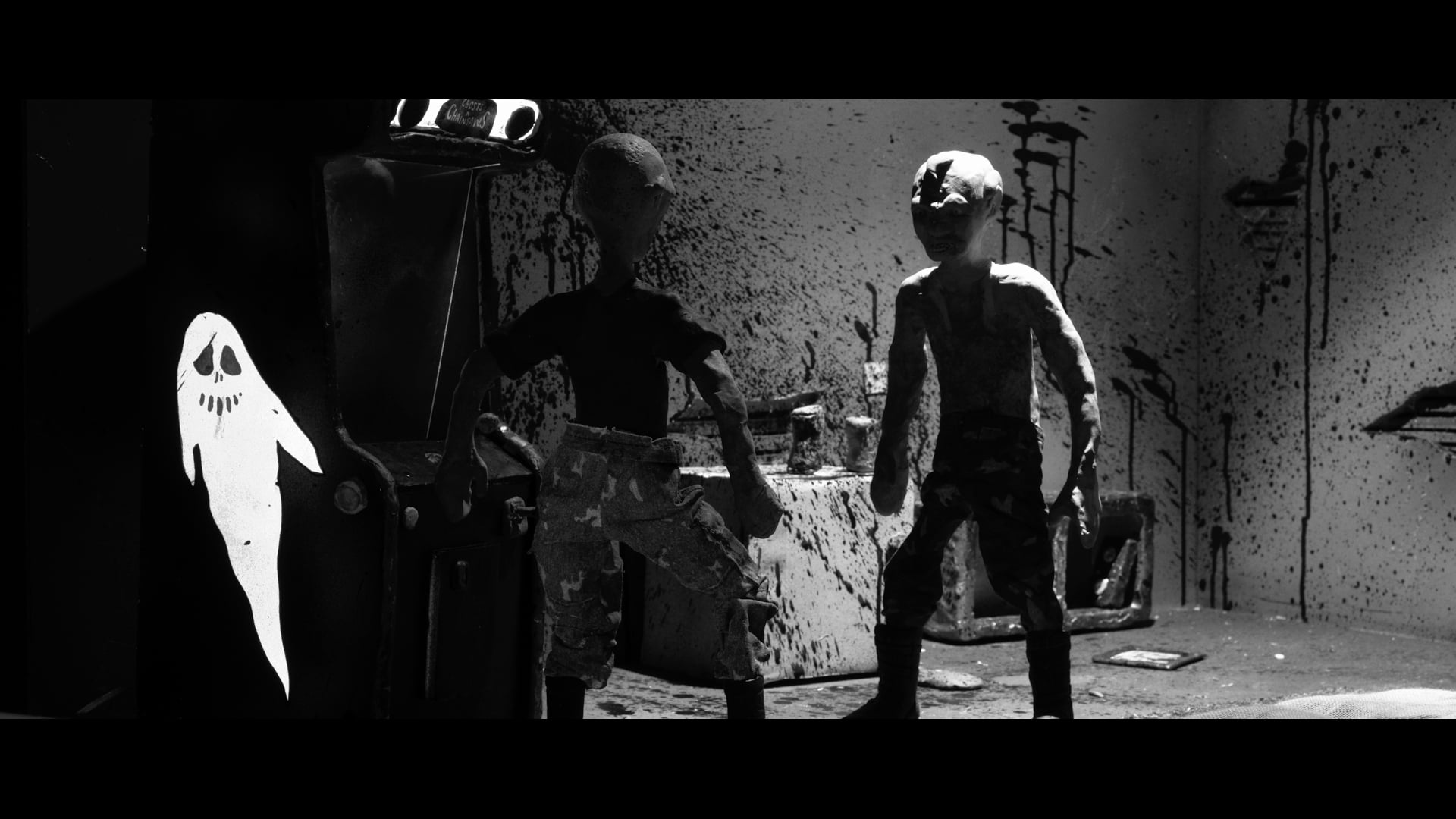
Lee cites Eraserhead and the original Silent Hill game as emotional anchors—the former for its industrial dread, the latter for its slipperiness between worlds. He also mentioned being influenced by Jungian ideas of the unconscious, which helps explain the short’s uncanny, slightly off-kilter logic.
Release notes: Smiling Friends fans can expect the two‑episode series finale on Adult Swim on April 12. A promo for those final episodes surfaced on Twitter via Swimpedia on April 1.
Check out the official promo for the final two episodes of Smiling Friends airing on April 12th at 11:00 PM! pic.twitter.com/dcVUgTw9ba
— Swimpedia (@swimpedia) April 1, 2026
Lee’s story shows how creative accidents migrate from an Instagram joke to festival-ready work and into a late-night TV slot. It’s a reminder that a small creative seed, placed in the right network, can grow an unexpected tree—but will audiences treat that tree as a stunt or as the true last word of a beloved show?