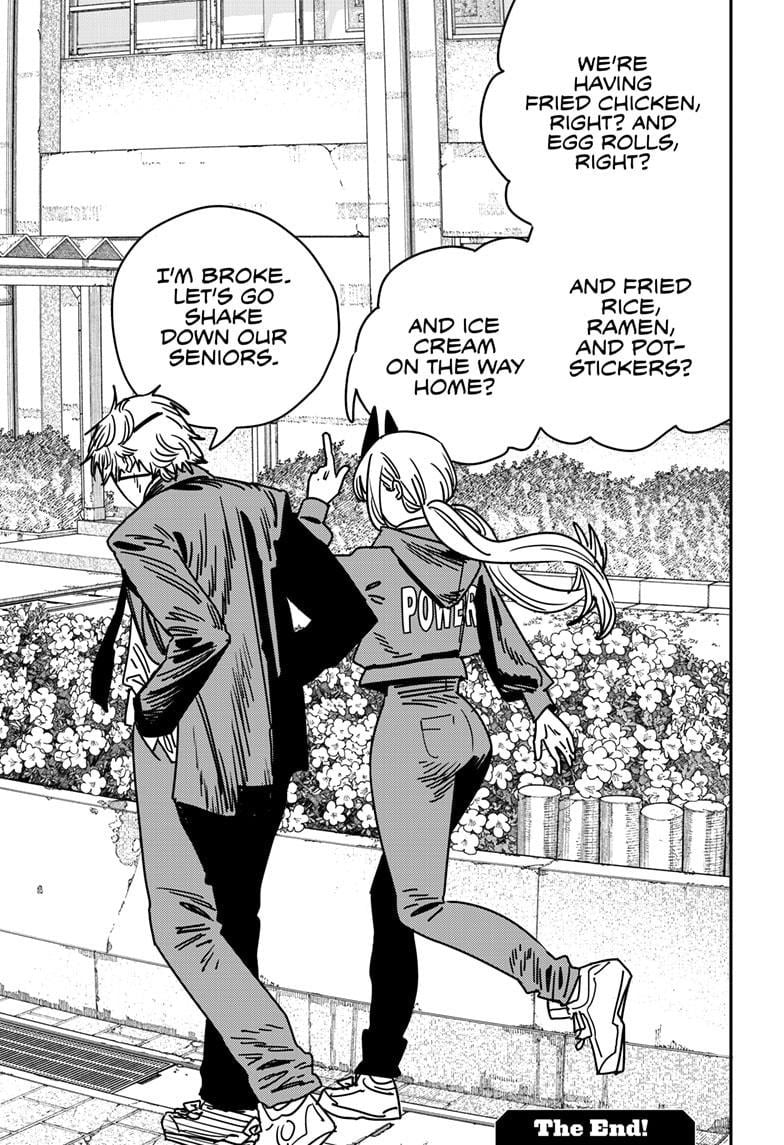
I finished the final chapter and sat very still, the room too loud for a story that had just gone quiet. You know that hollow where a beloved character should be? It felt less like absence and more like a choice made in private. Then Pochita smiled, small and ridiculous, and something clicked.
I’m not here to pin a definitive theory to Fujimoto’s mast. What I want is simpler and, I think, sturdier: if you read Pochita through the lens of the Japanese yokai Baku, the finale stops feeling like an accident and starts feeling intentional — tender, even. I’ll show you how small choices in the text open up into a moral architecture that changes what Denji’s ending means.

On trains and late buses people whisper about endings, and that gossip tells you what readers need
Real-world reaction is the quickest diagnostic. When a finale splits a fandom, it means the author left room at the seams. In Chainsaw Man, Fujimoto gives you fog and then sprinkles in hard edges—Pochita’s promise to “eat” Chainsaw Man, Denji’s fractured memory, and a final scene that feels both repaired and rewritten. Those gaps are where folklore reads well.
What does Pochita actually do in Chainsaw Man?
Here’s my take in plain language: Pochita removes concepts by consuming them, and that act rewires reality. When Pochita eats a fear or a word, the concept’s social weight dissolves. You see this in chapters where entire notions vanish—ears, death, or even the meaning of a name—and readers forget terminology or find mortality bent. That power is less a plot device and more a moral engine for the book’s final swing.
At coffee shops you overhear people explaining folklore like it’s practical advice, and that’s where Baku belongs
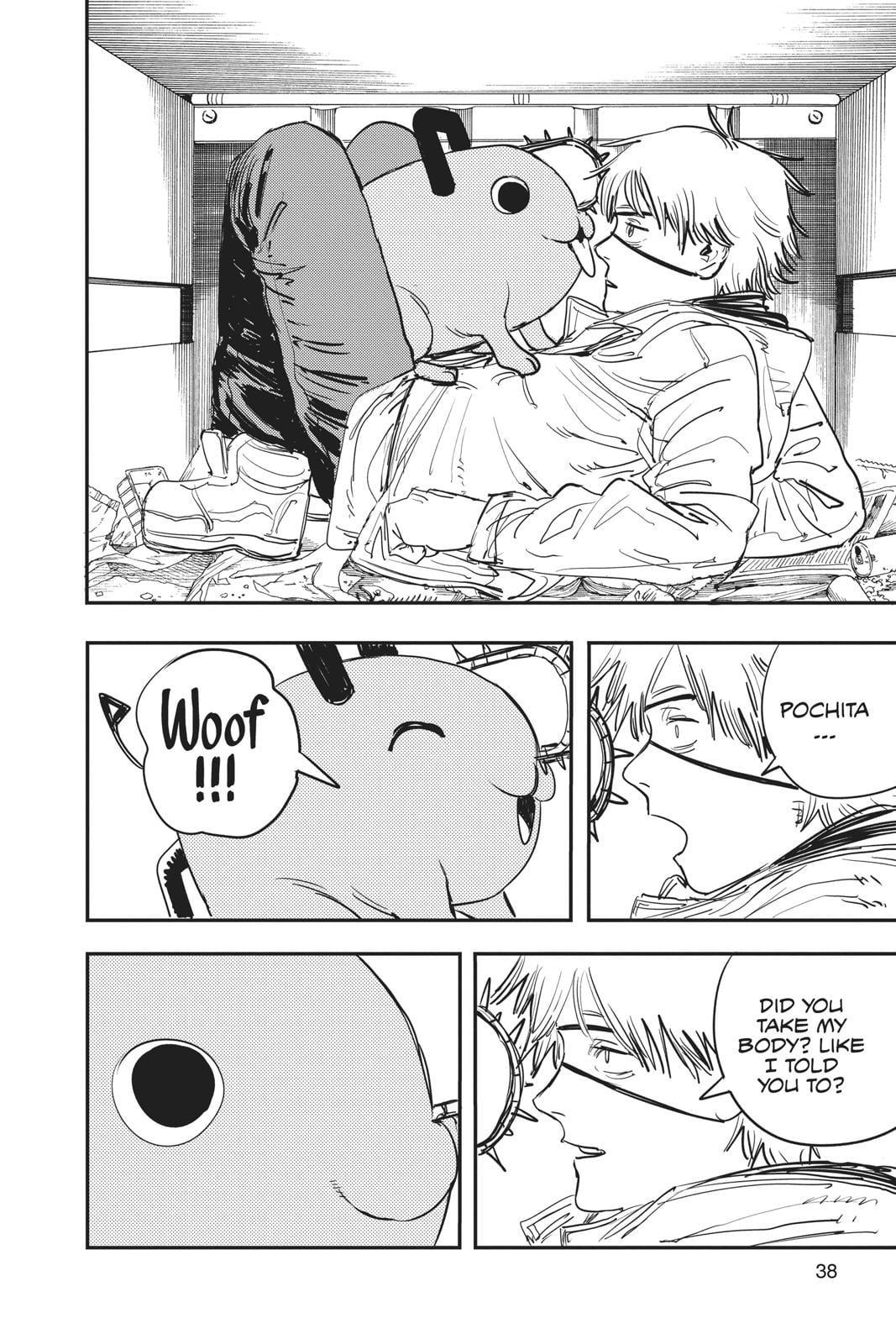
Folklore gets practical when it shapes behavior. The Baku is a chimera spirit known in Japan for eating nightmares; children call it for relief, but ask it too often and it consumes hope too. Pochita is a baby-faced Baku, trading an elephant trunk for a tiny chainsaw and turning dream-eating into narrative law. This reading explains the finale’s strange generosity: Pochita doesn’t annihilate Denji’s life so much as edit its most dangerous edges.
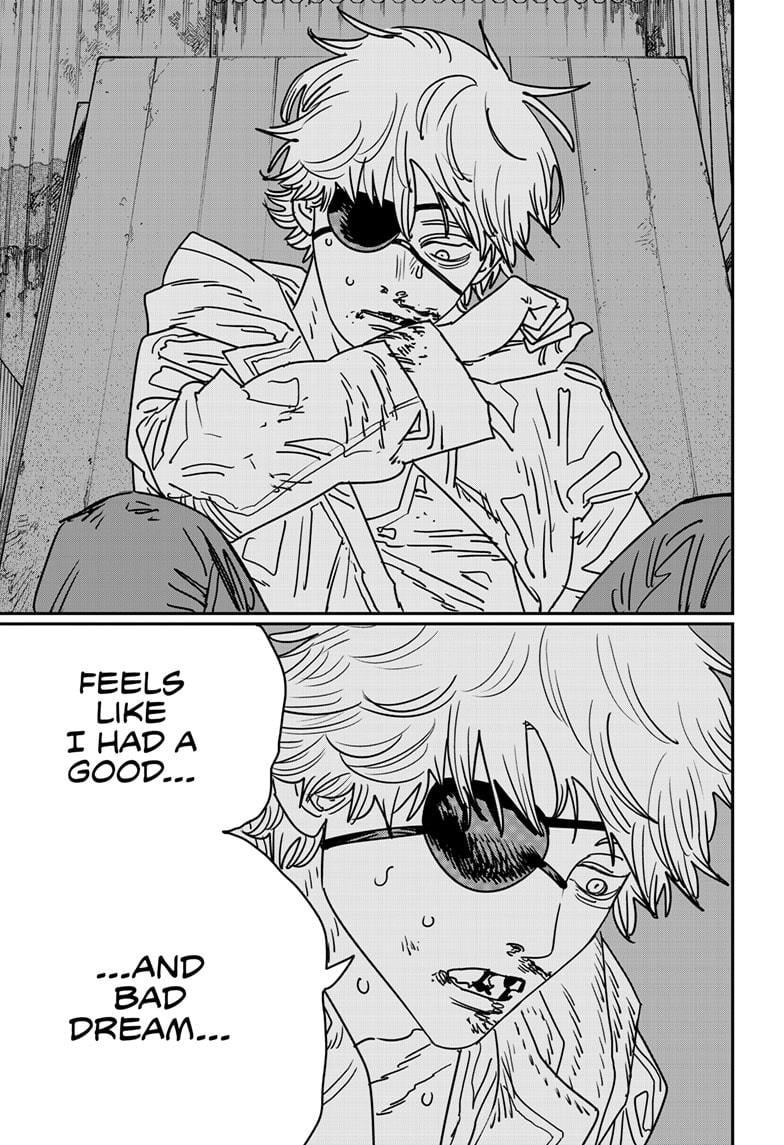
In comment threads people argue about intent, and those arguments reveal how we assign meaning
Arguments online—on Reddit, Twitter/X, and in comment sections under Shonen Jump and Movies & TV pieces—don’t prove an author’s intent, but they do show which emotional levers the story pulled. Fans are confused because Pochita’s act could read as self-erasure, cosmic mercy, or trickery. Reading him as Baku clarifies the emotional logic: the act protects Denji from his worst compulsions while keeping his capacity to seek human connection.
Is Pochita based on the yokai Baku?
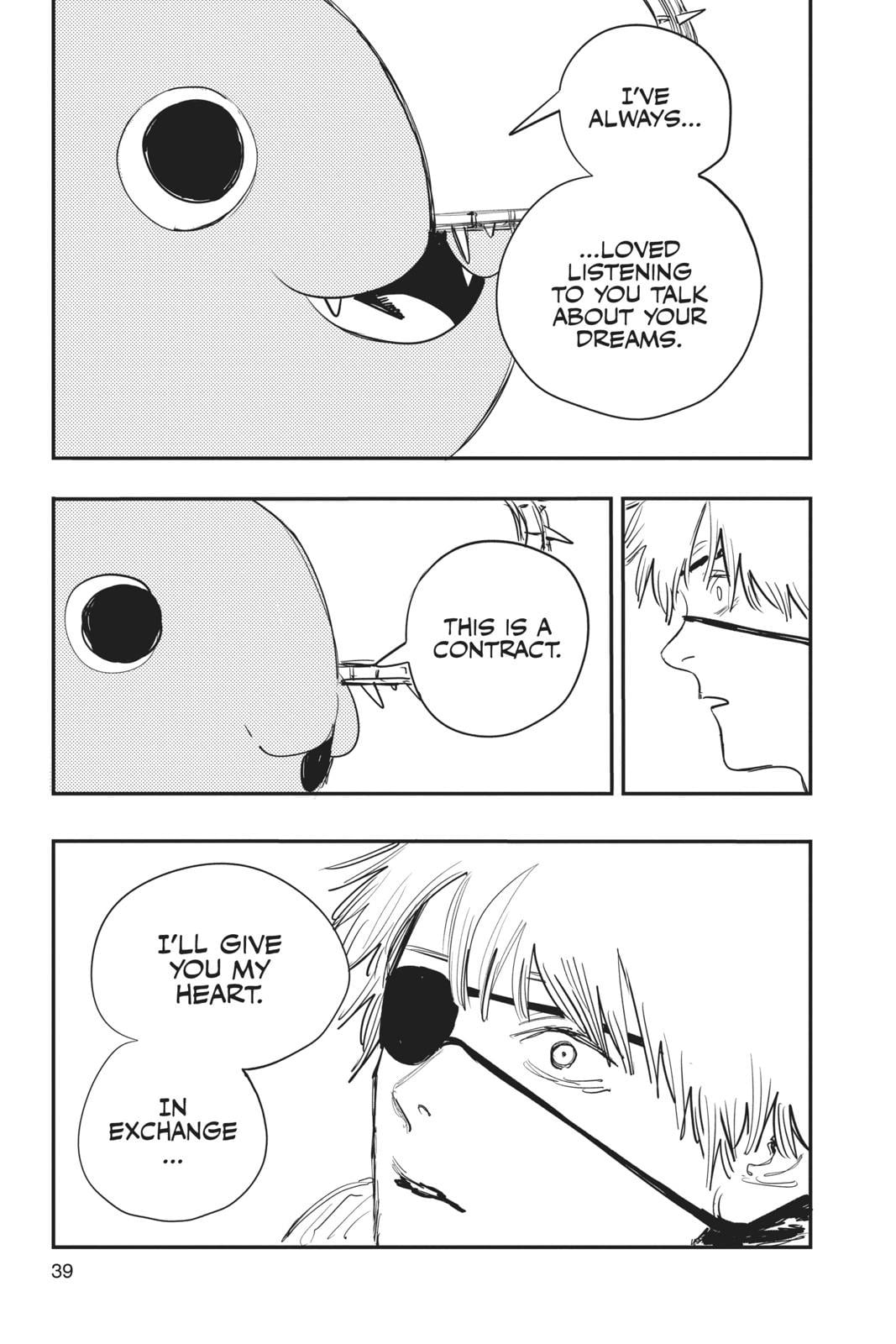
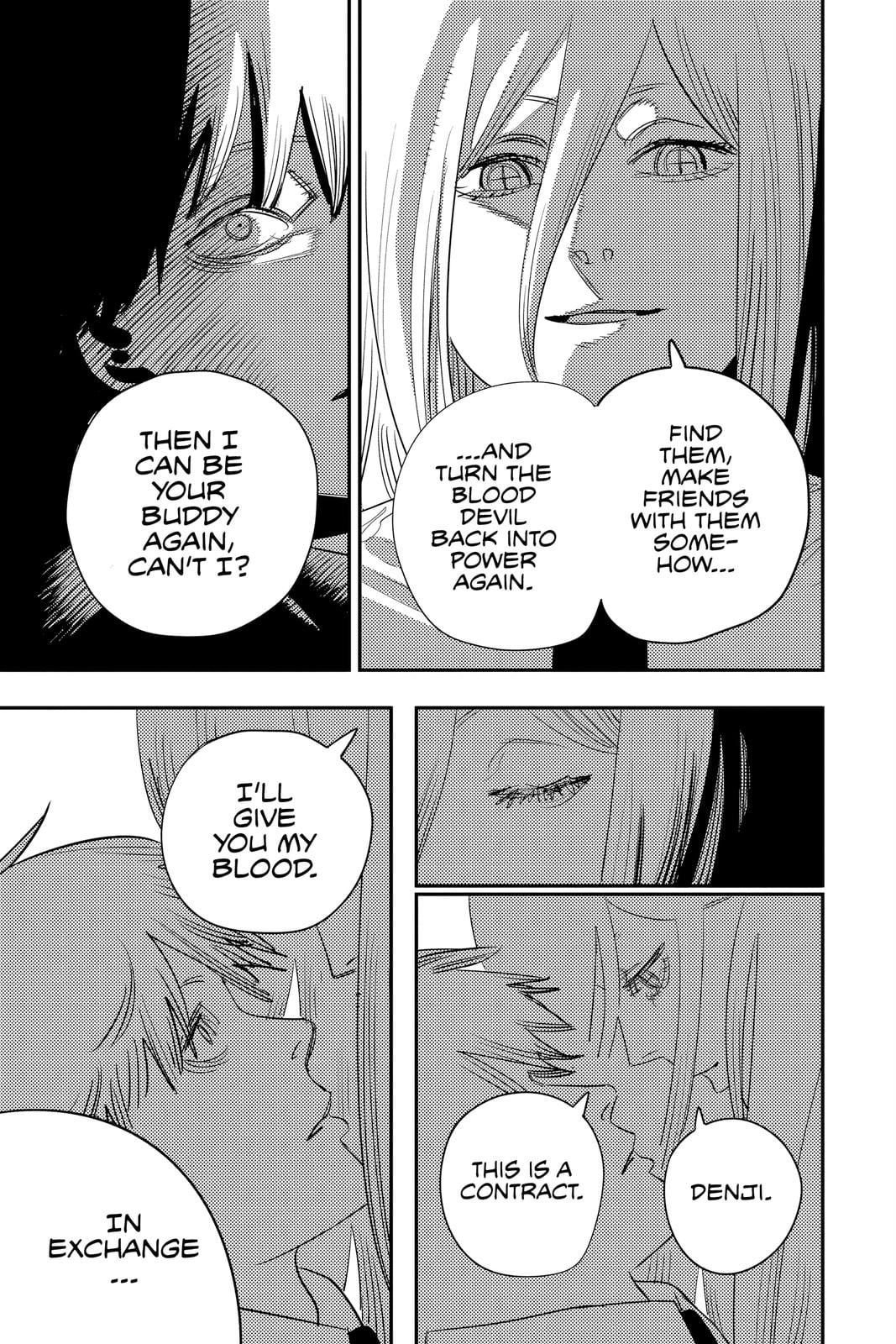
This is the direct semantic match you were waiting for. Baku devours nightmares but risks appetite for hope; Pochita eats concepts and can hollow out memory or desire. The text gives you the contract motif, the dream-sharing line, and the warning that too much consumption leaves an empty person. The parallels are explicit enough that referencing Baku turns narrative strangeness into cultural lineage—something you can research further on platforms like Wikipedia, academic JSTOR essays about yokai, or fan essays on Medium and Reddit.