
The console blinked red; a junior tech mouthed, “we lost telemetry.” I felt my phone pulse in my pocket like an accusation. Ben Nedivi, standing two desks away, smiled and said, “We are pretty sure we can actually launch a spaceship from this room.”
I visited Mars Mission Control on a Sony Pictures lot in Los Angeles as part of an io9 group tour, and I want to walk you through what it felt like to stand where the show now calls home. You and I both know sets can fake urgency—this one manufactures it. Here’s what I learned about season five, the show’s ambitions, and why a desk on Mars matters.
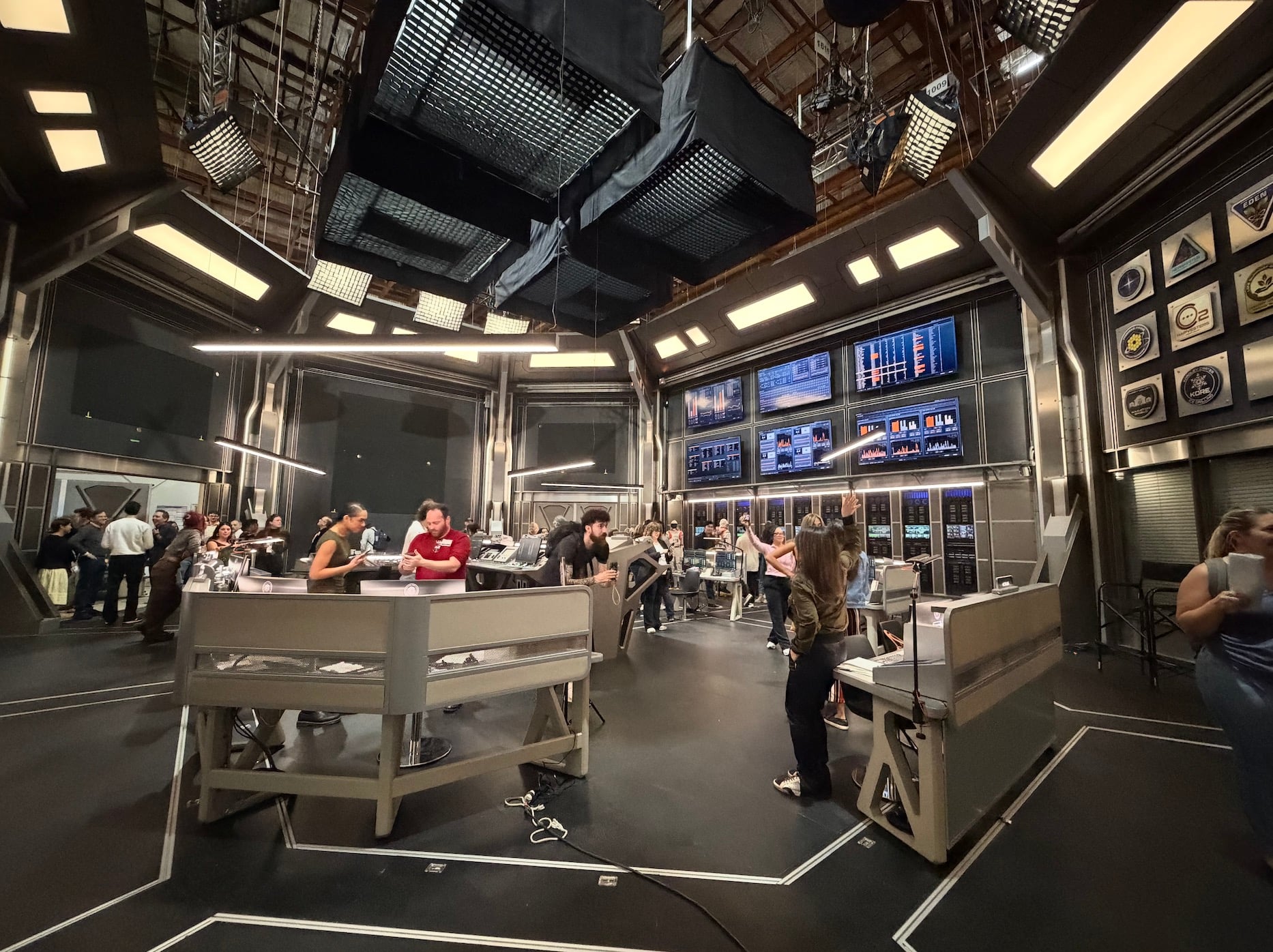
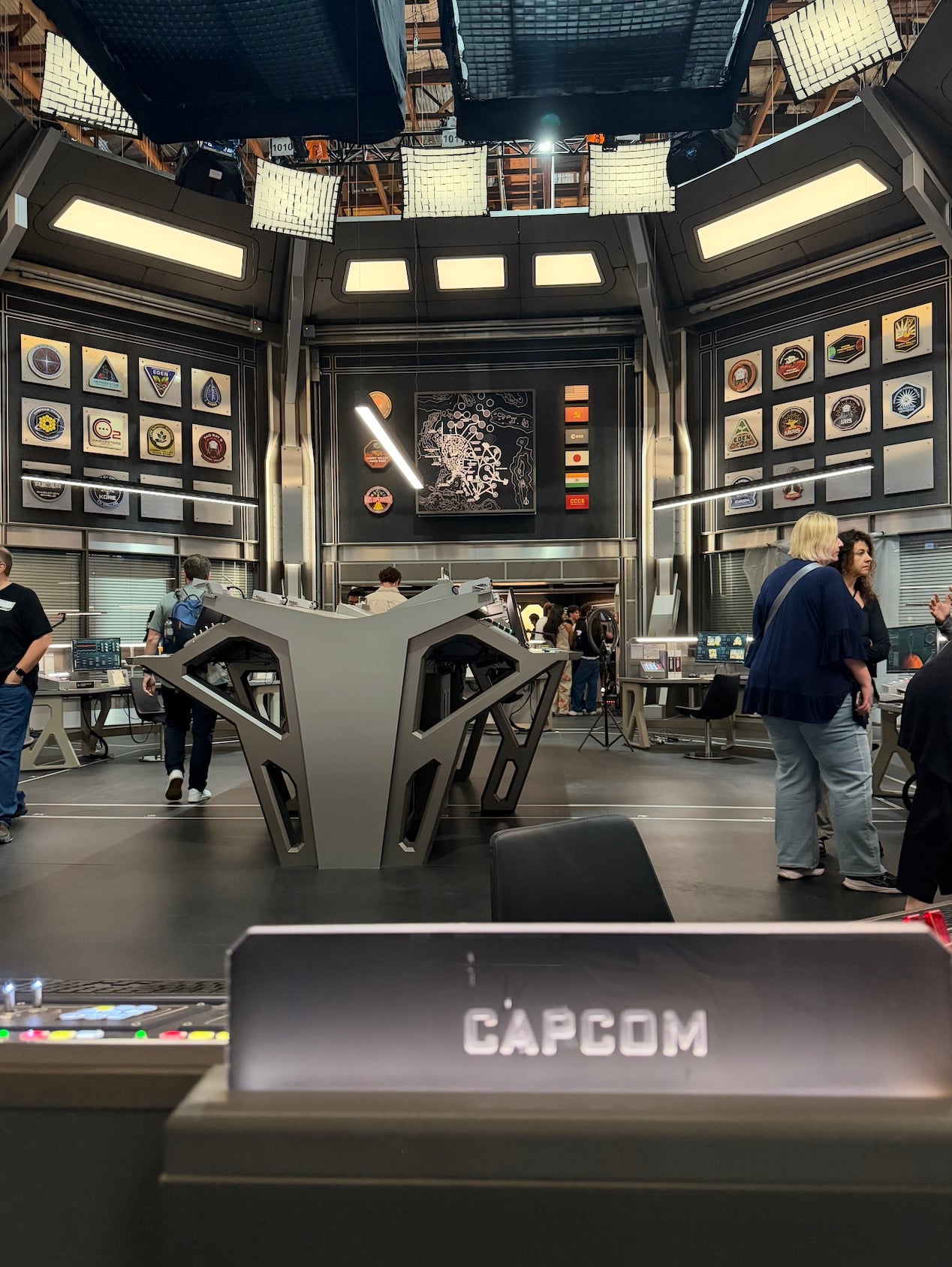
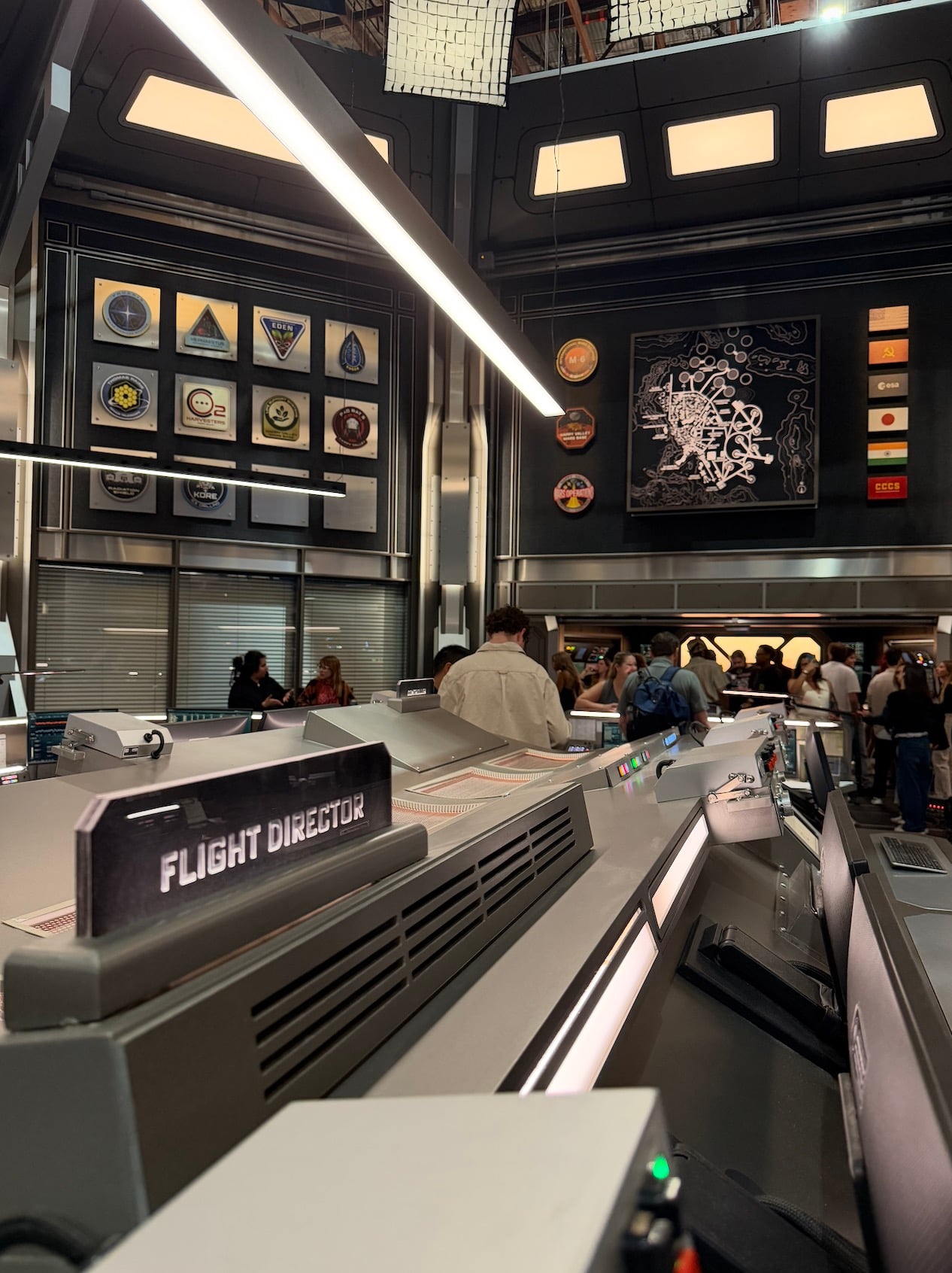
The console hummed underfoot: Mission Control is a full 360-degree world
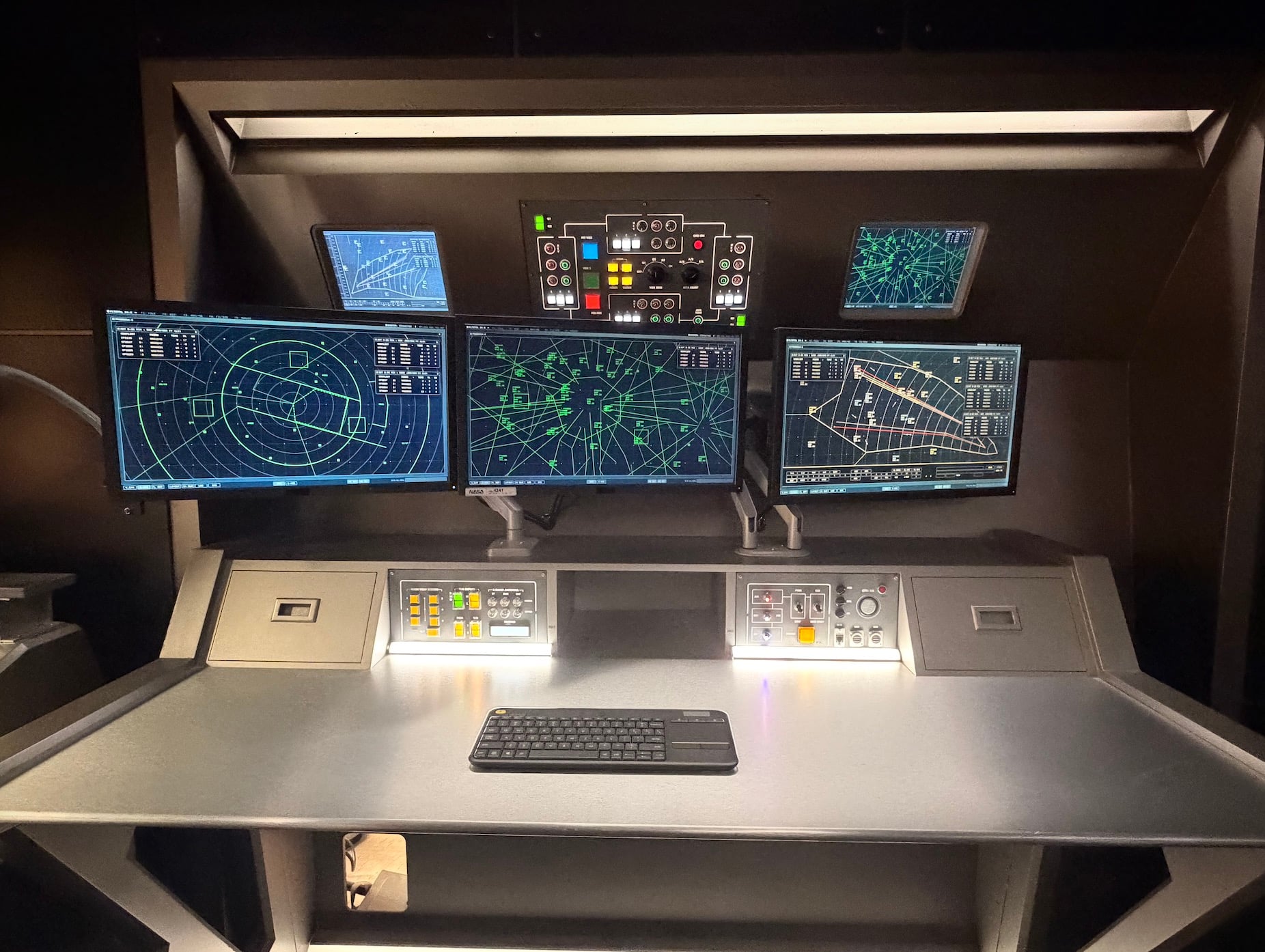
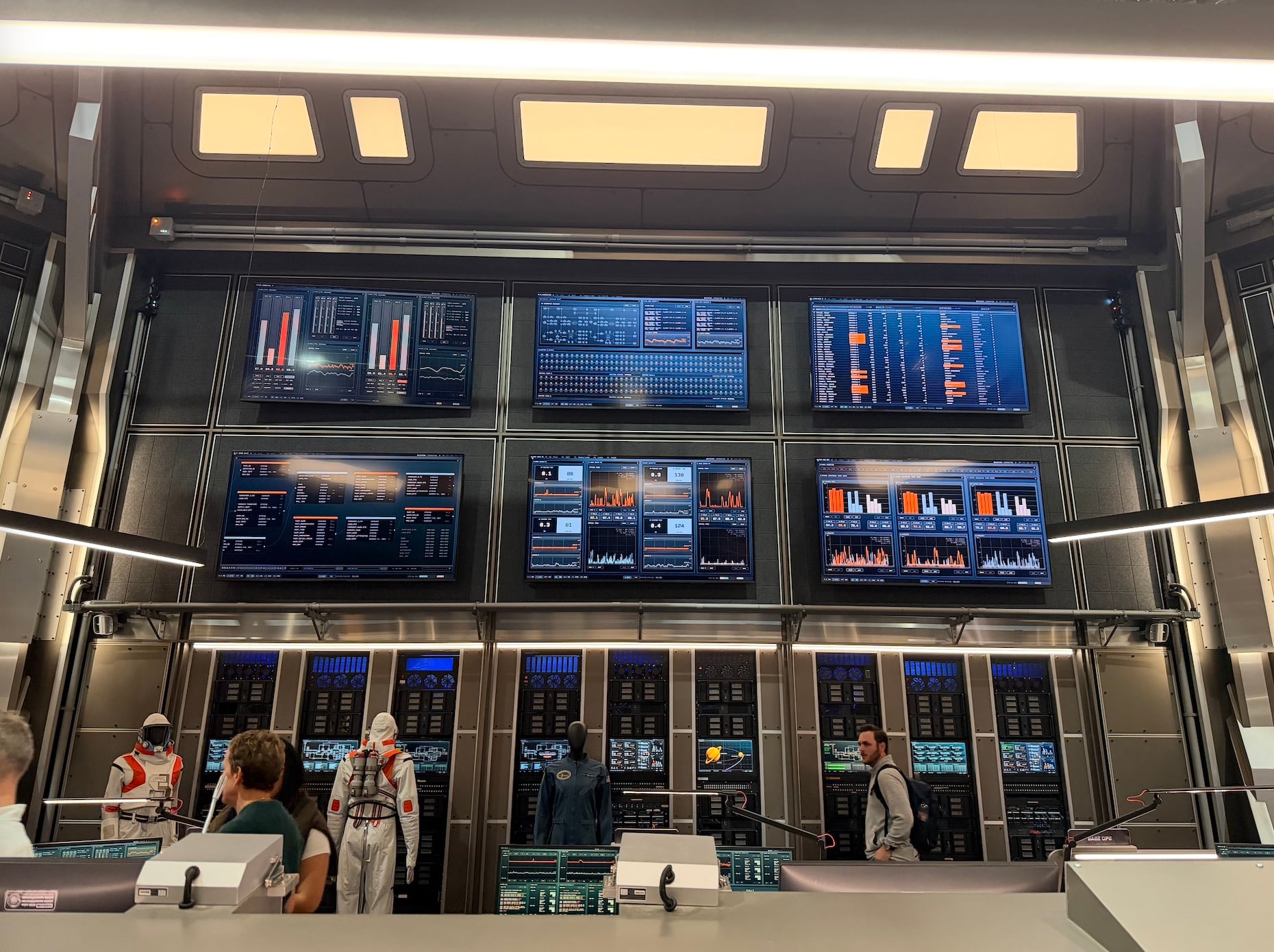
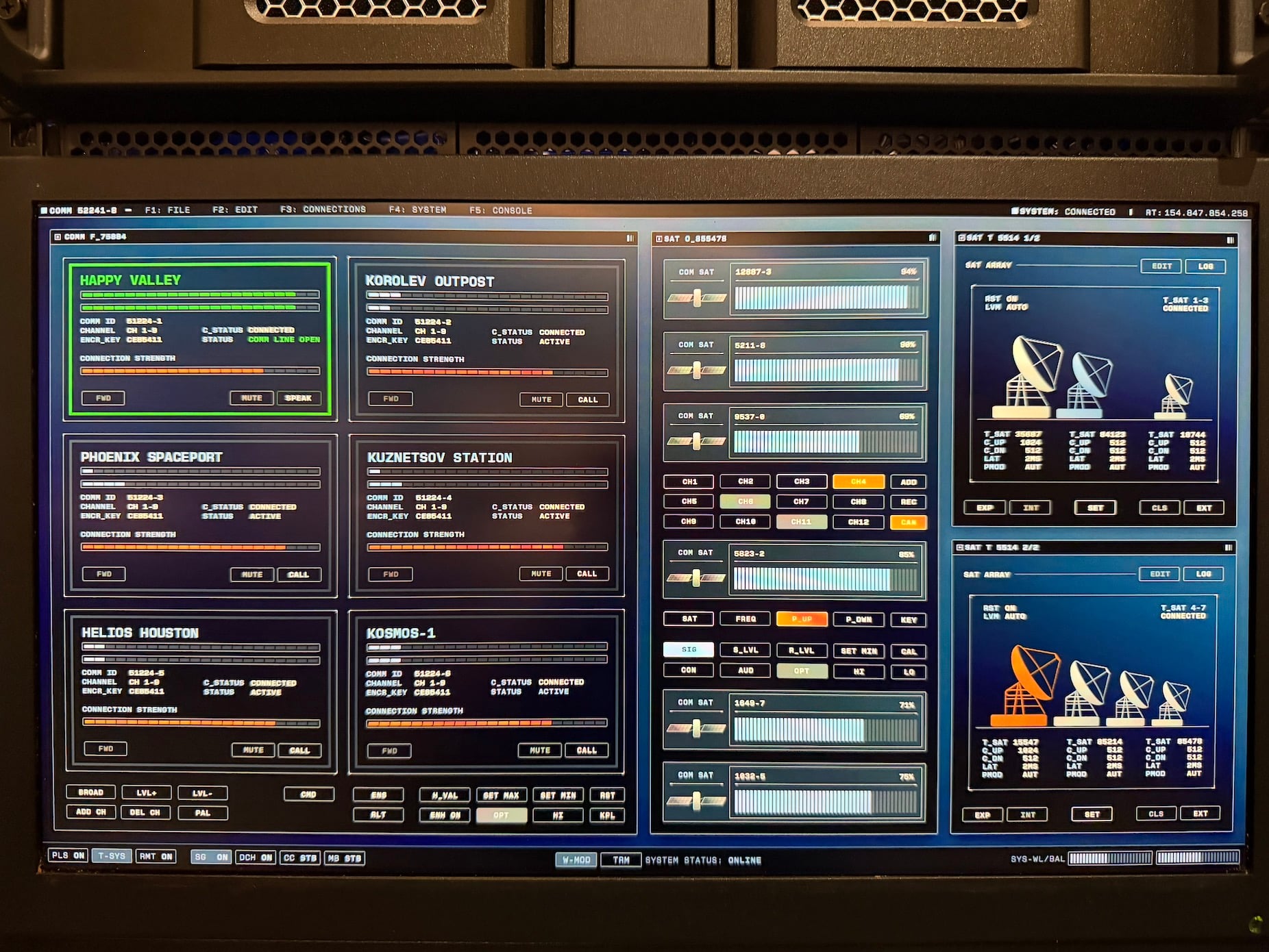
The room is not a backdrop; it’s an environment. You can walk the circumference and every screen, every LED, and every status bar tells a story. It’s a cathedral of glass and code—an almost religious attention to what information looks like when lives depend on it.
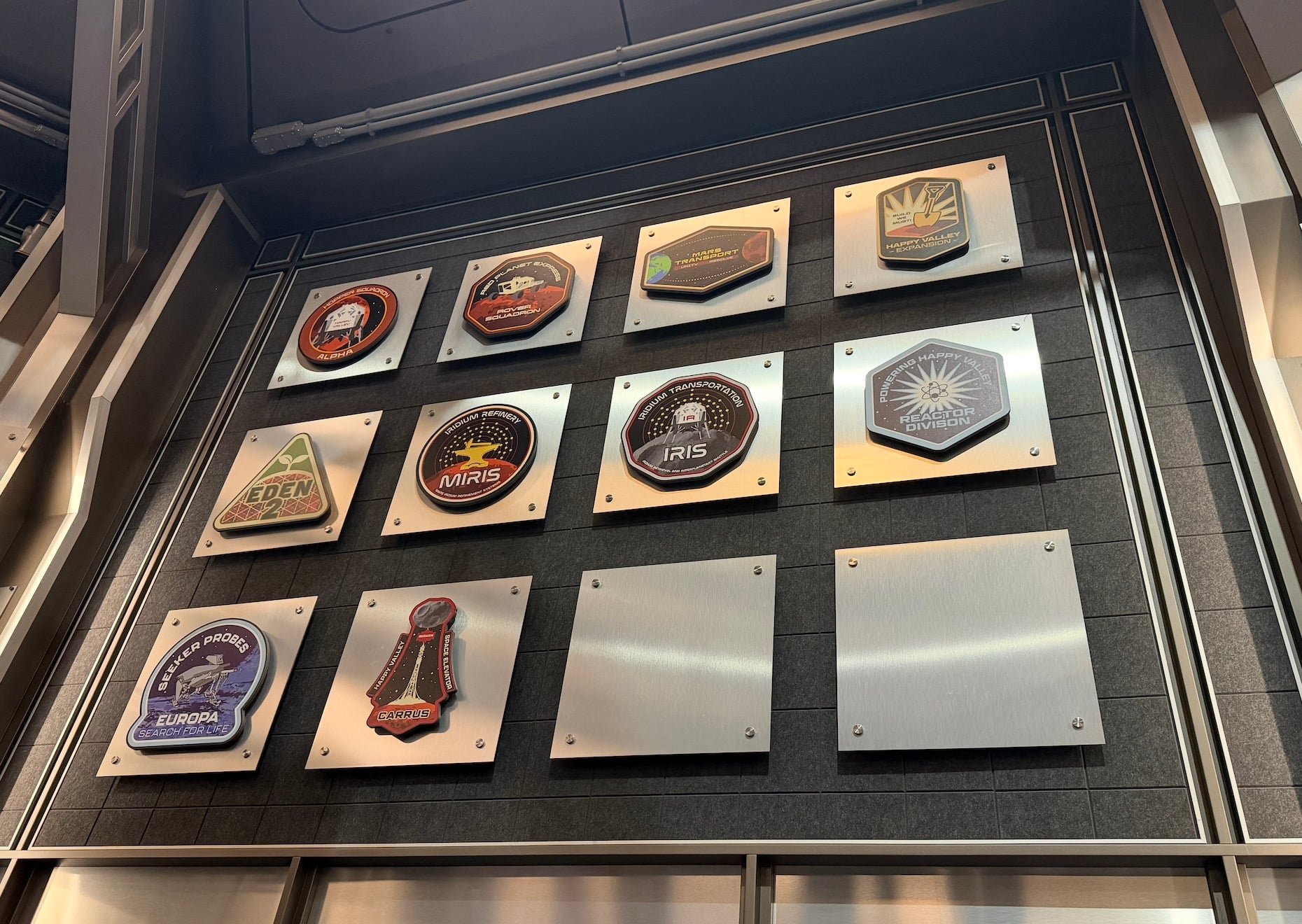
Ben Nedivi and Matt Wolpert, co-creators who cut their teeth on the show with Ron Moore, wanted this set to be more than wallpaper. They built something that reads as functional: binders fanned open with handwritten notes, mission patches taped where a repair tech might have left them, comms panels that flicker with signal strength between Mars bases. When Wolpert joked about launching an actual ship from the floor, he wasn’t only joking—the fidelity is that convincing.
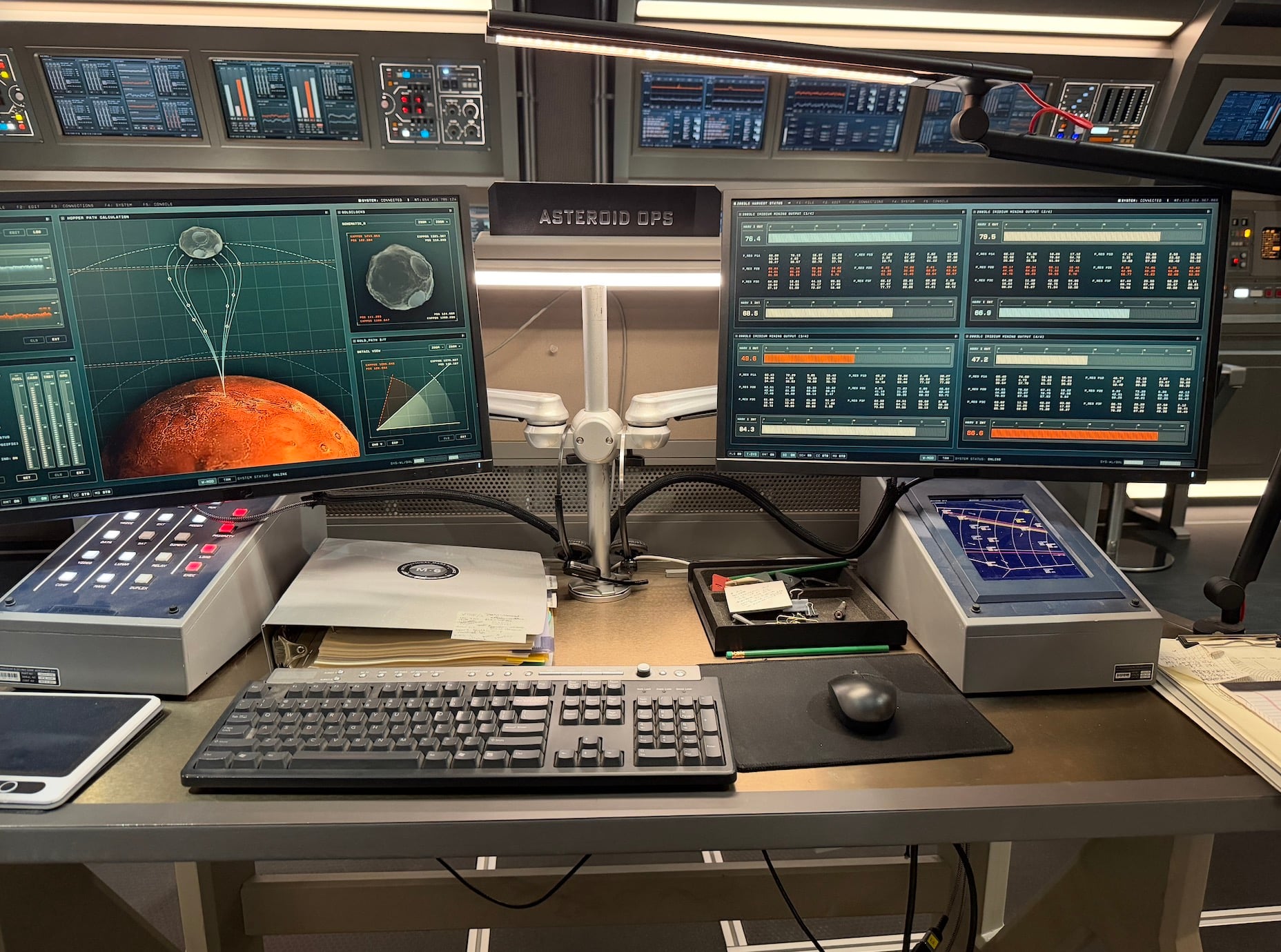
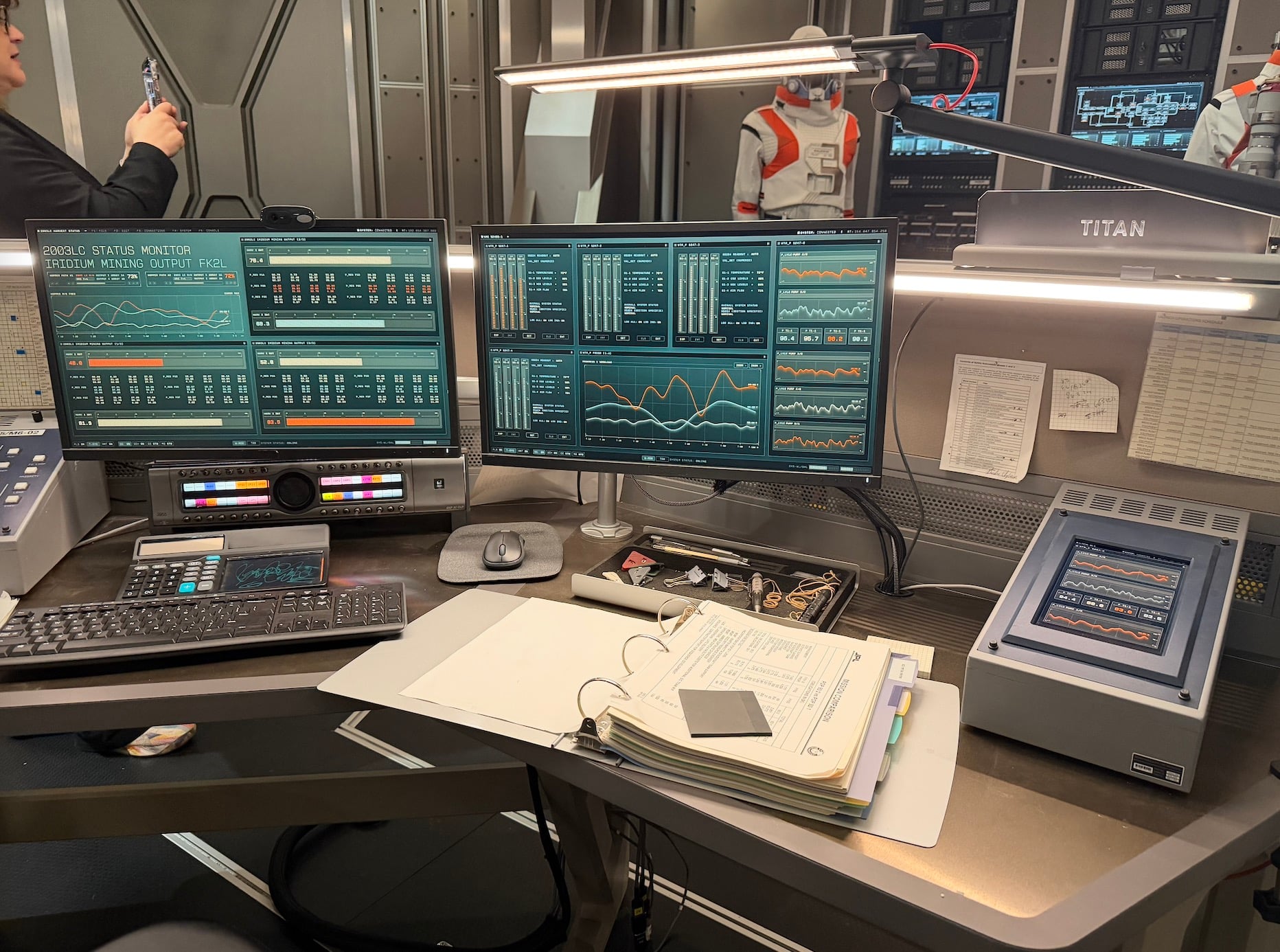
A coffee-stained binder lay open: Props are decisions, not decoration
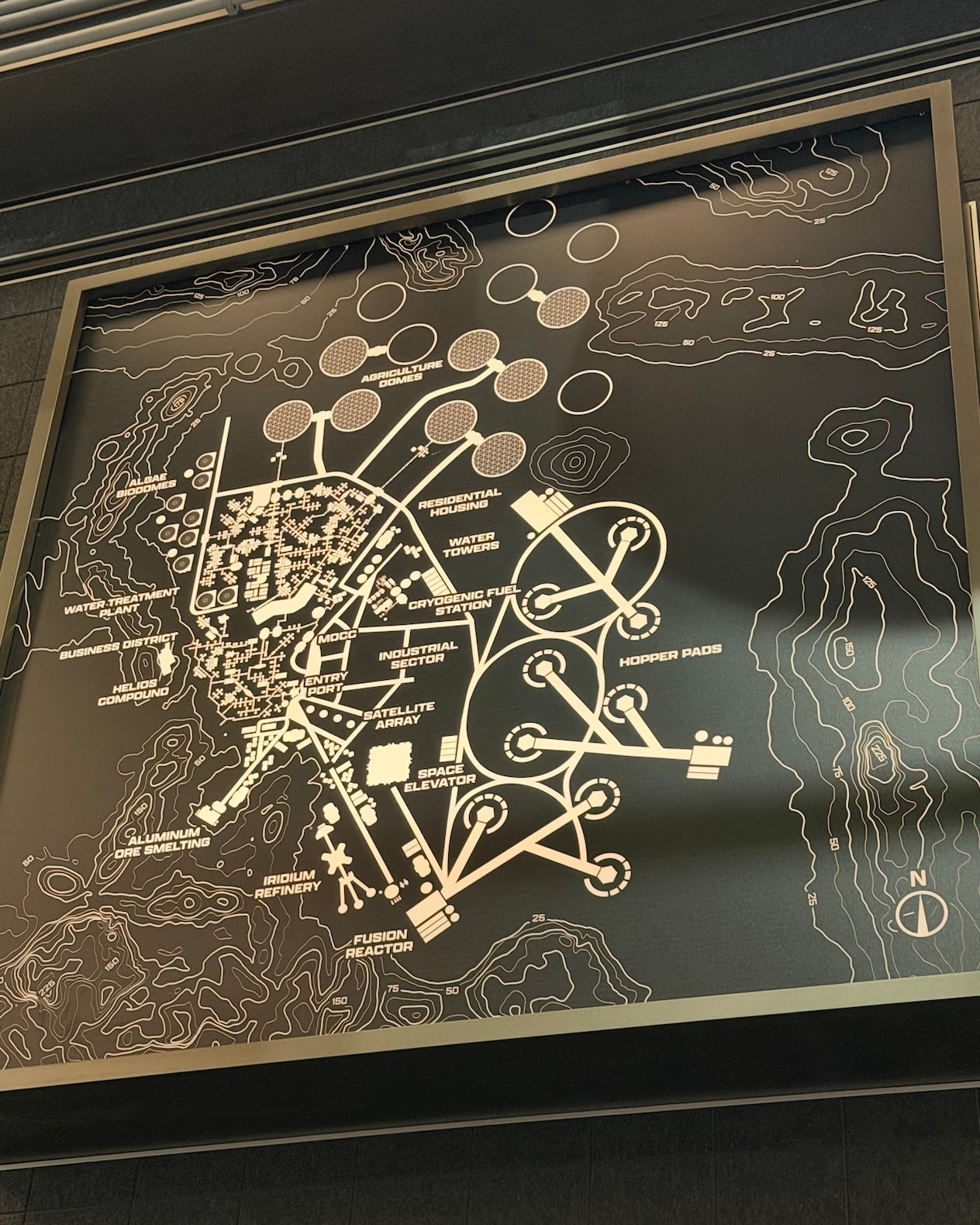
There isn’t a button or a sheet here that wasn’t justified by story need. Nedivi told me that almost every prop has a narrative purpose—who left it, what they were solving, what they forgot. The effect is not subtle: the set teaches you the world and the characters without saying a word.
That ethos matters because the show has shifted. For the first seasons, mission control was a Houston beat. Now Mars houses the control room, and living on another planet rewires how the story operates. This set signals the series’ maturity—small details acting like DNA markers for character decisions. The craftsmanship is as meticulous as a Swiss watch.
A calendar page had “S6” circled in red: The show is pushing past Mars
The writers always built the series as a springboard—Ron Moore, Nedivi, and Wolpert imagined Mars as a middle chapter, not an endpoint. This season moves the narrative outward: moons of Jupiter and Saturn are now in scope, and Mission Control on Mars will be the hub that makes those missions plausible within the show’s logic.
Season five streams on Apple TV through May 29, when the Russian-centered spinoff Star City debuts. The series is scheduled to end with a sixth and final season that should arrive in 2027; production is gearing up now.
How realistic is For All Mankind?
The show trades in plausible futures rather than pure fantasy. The tech design borrows from NASA conventions, and the writers consult industry figures to keep trajectories believable. You’ll see echoes of real platforms—mission patches, comms protocols, and hardware touches that nod to agencies like NASA and private players such as SpaceX. It isn’t a documentary, but it respects engineering constraints enough to keep scientists nodding and audiences invested.
Could humans actually live on Mars?
Short answer: limited, and only with massive support. In the show, Mars is a home—people sleep, argue, and build futures there. In reality, sustained habitation requires life support, radiation shelter, and a logistics chain to Earth that is slow and fragile. The narrative stakes the show raises—supply lines, comms delays, and isolation—match real-world challenges, which is part of why the set needs to feel operational.
Where was For All Mankind filmed?
Primary soundstages and sets live on the Sony Pictures lot in Los Angeles. io9 visited the Mars Mission Control there, and the production keeps key pieces in place while other sets rotate as the story demands. That permanence lets the creators return to the same staging ground even as the show expands toward Jupiter and Saturn.
Walking that control room, I kept thinking about agency: how a single desk can hold decisions that ripple across a solar system. You’ve seen the footage; now imagine the ethics and politics that will follow when humans leave Mars behind—who gets to go next, and who pays the price for that progress?
Do you think a TV set that can feel like a functioning control center changes how we interpret stories about space, or does it make fiction more dangerous by blurring hope and policy?