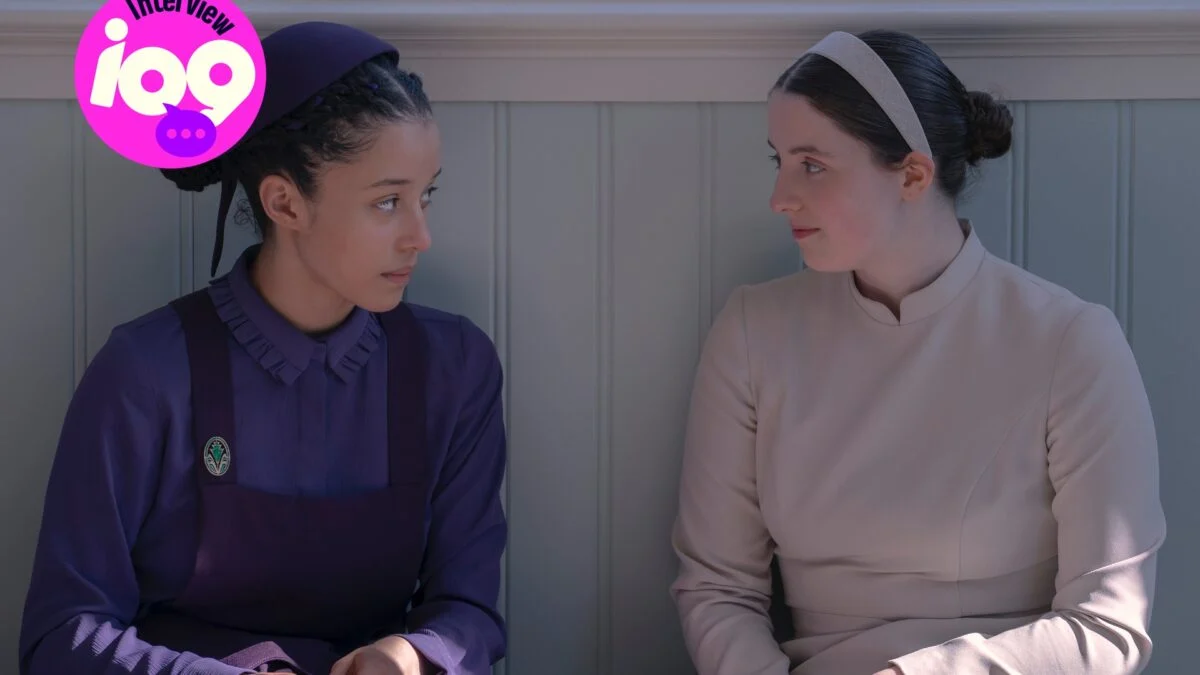
I sat in a small press room as an actress described seeing the show’s costume on the news and feeling a chill. You know that moment when fiction and headlines overlap—your stomach tightens and you start counting the ways reality could tilt. The Testaments demands you hold that count.
I write about television and politics, and I want you to read this like a briefing. The new series based on Margaret Atwood’s follow-up novel doesn’t just copy its predecessor’s anxiety—it reframes it through teenage eyes, the ones who are being trained to carry the state’s future. You’ll find actors, writers, and creators repeatedly pointing to the same risk: what feels fictional can be alarmingly procedural.
At rallies after the Roe decision, the red cloak returned as a protest symbol.
That visible overlap—costume and cause—sets the emotional thermostat for The Testaments. Ann Dowd, back as Aunt Lydia, says the show connects to contemporary shifts in rights and power. She named the erosion of reproductive rights and a growing, vocal patriarchal force as direct lines to the material. Her voice has weight; she won an Emmy for this role, and when she speaks about the show’s relevance, you listen.
Mabel Li, who plays Aunt Vidala, echoed that: Atwood’s work traces how authoritarian systems form and persist. That observation turns the series into a study of mechanisms, not just melodrama. The show is a warning bell.
How does The Testaments relate to real life?
I asked the cast at an io9 press day whether viewers would see parallels to today. Lucy Halliday (Daisy) and Chase Infiniti (Agnes) both said the production felt aware of the cultural mantle it inherits from The Handmaid’s Tale. They noted how the original series’ imagery became a protest shorthand and how that precedent shaped their choices on set. Margaret Atwood builds scenes from historical antecedents, then amplifies them; the result reads like a cautionary manual more than a fantasy.
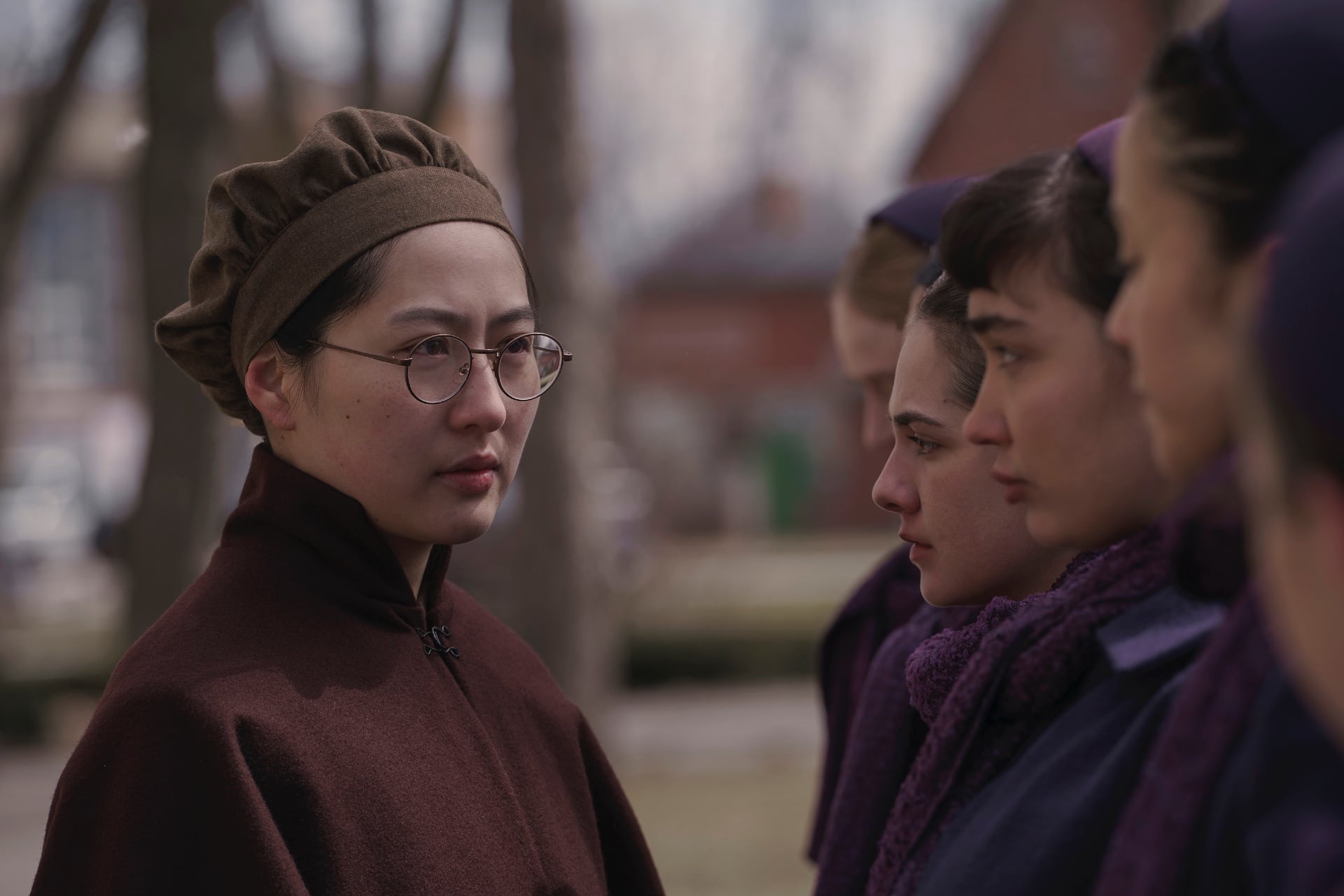
In schoolyards and headlines, stories of coercion and control are being told by young people.
The Testaments centers teenage girls groomed for elite marriages, and that choice changes the show’s emotional register. You feel the claustrophobia differently when protagonists are learning abuse as a curriculum rather than inheriting it as adults. The younger cast—Lucy Halliday, Chase Infiniti, Mattea Conforti—spoke about the pressure to honor the cultural footprint of the original while making space for a new generation of trauma and agency.
Chase pointed to Atwood’s method: much of what appears extreme in the series has historical echoes. That lineage makes the scenes sharper, because they read as variants on real tactics of control.
Who stars in The Testaments?
If you want names to anchor your search, the series brings back Ann Dowd and adds Mabel Li, Rowan Blanchard, Mattea Conforti, Lucy Halliday, and Chase Infiniti. Bruce Miller serves as showrunner—his stewardship links the new episodes to the visual and moral language audiences expect from the Hulu adaptation. You can trace production details on platforms like Hulu and Hulu on Disney+, and outlets such as io9 and Gizmodo covered the press day remarks I’m using here.
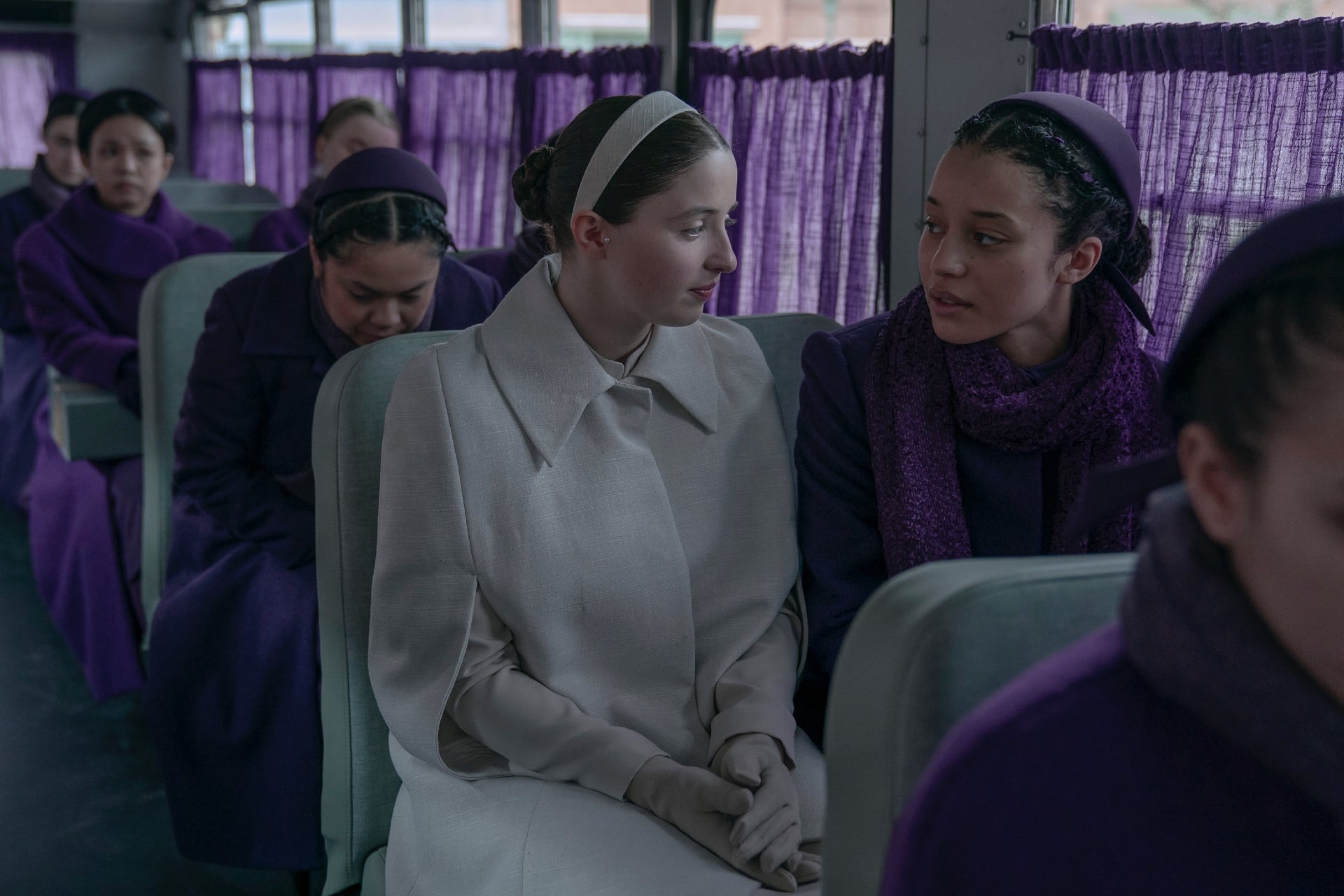
Writers and showrunners keep returning to Atwood because her fictions echo headlines.
Bruce Miller called Atwood prescient. He read the original novel in college and, years later, found that the book felt written for multiple political moments. That sentiment is a kind of institutional memory: creative teams treat Atwood’s scenarios as warning maps rather than mere entertainment. When creators speak publicly—at press days covered by outlets like io9—their authority reshapes how audiences anticipate cultural resonance.
The series is a pressure cooker: it compresses moral choices until the seams strain, then shows what bursts out.
When can I watch The Testaments?
The first three episodes arrive April 8 on Hulu and Hulu on Disney+, with weekly episodes after that. If you follow streaming coverage on platforms such as Hulu’s press pages, Disney’s release calendar, or longform interviews on io9, you’ll find episode breakdowns, interviews, and behind-the-scenes context that help frame what the show is trying to do.
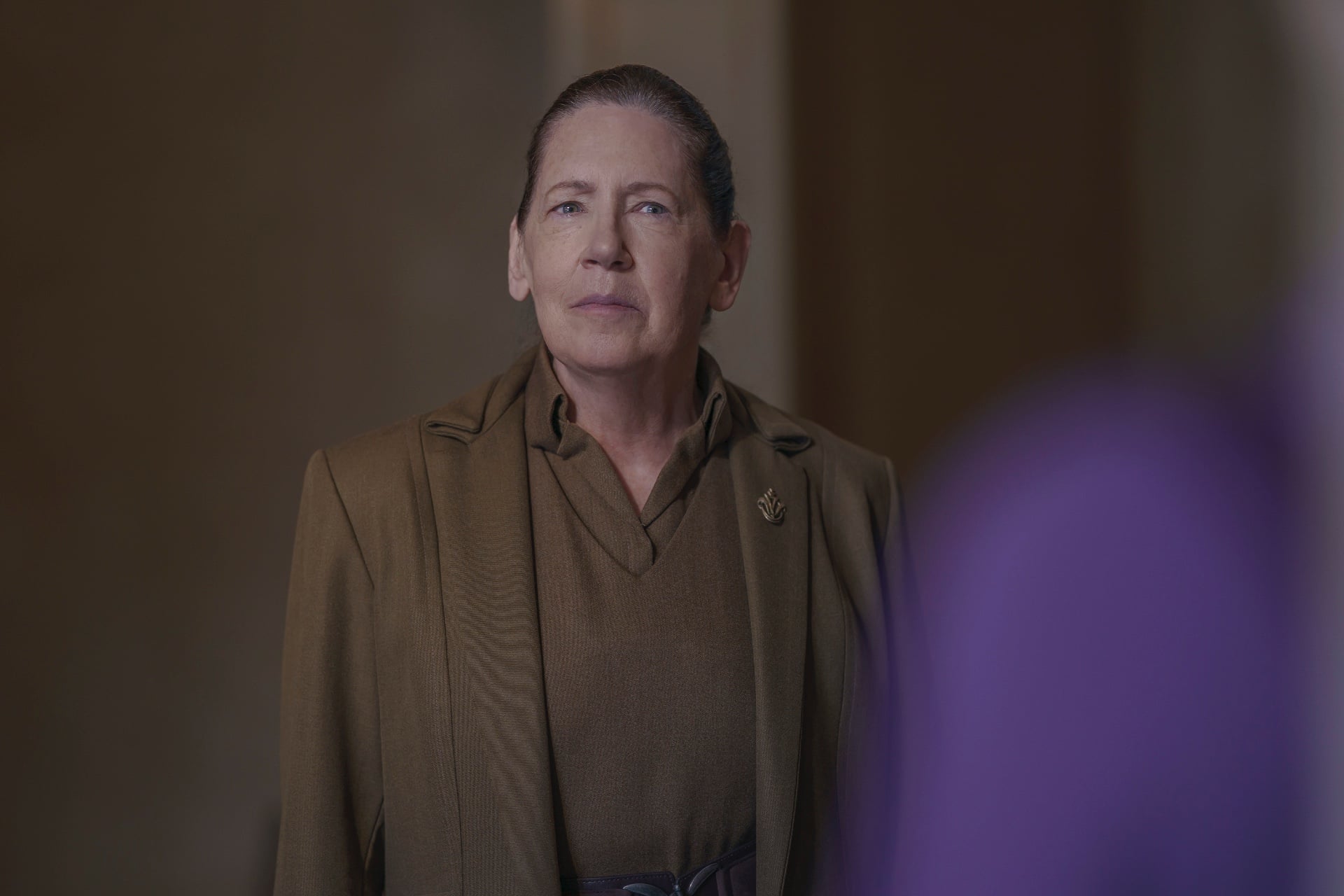
What matters is less whether the show is realistic in every plot beat and more that it teaches you to recognize the patterns that brought it into being. The Testaments reframes that education as drama, and the people who made it are explicit about why those parallels matter—because when systems of control tighten, the outward signs arrive before the legal ones. How will you read the signs the next time they show up?
Want more io9 news? Check out when to expect the latest Marvel, Star Wars, and Star Trek releases, what’s next for the DC Universe on film and TV, and everything you need to know about the future of Doctor Who.