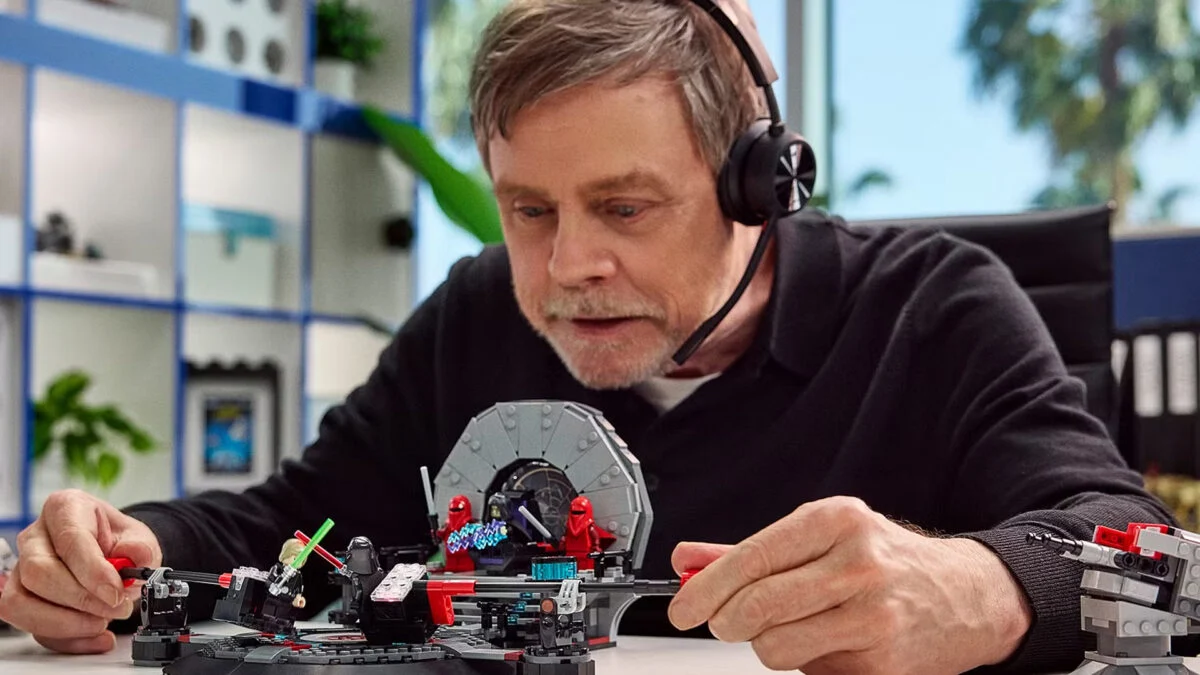
I pressed the number and waited, earbuds buzzing with a recorded greeting from Mark Hamill. The voice is warm, practiced, and oddly apologetic for a plastic brick. For a moment you feel the old toy aisle and a tech trade show merge into the same room.
At CES, a smart brick stole a spotlight — Lego has now put Mark Hamill on the line
I’ve been watching Lego push smart play since the CES reveal, and this felt inevitable: a company that sells nostalgia is hiring a generational voice to explain a product people find confusing. You can call 1-877-80-ASK-MARK on April 8, 12 p.m. to 8 p.m. Eastern, and hear Hamill make the case for the smart brick and tag system. Select callers may even be pulled into a live video chat with him — a carrot for fans who still treat celebrity access as a rare currency.
On social feeds, fans split between curiosity and skepticism — the PR play is both bold and fragile
You’ve seen the threads: some collectors call the new sets clever, others call them gimmicks. Lego staged a giant display at the Las Vegas Sphere and rolled out Hamill’s messages after months of debate around price, necessity, and whether a smart brick belongs in a brick-built world. The campaign is a Broadway curtain call for a gadget.
How can I hear Mark Hamill’s messages?
Call 1-877-80-ASK-MARK on April 8 from 12 p.m. to 8 p.m. Eastern. Expect a recorded walkthrough of the smart brick and tag features and occasional opportunities for a live chat. Nerdist ran an interview with Hamill that previews the tone: he’s curious, amused, and willing to be a guide into the unfamiliar for fans who still trust the voice of Luke Skywalker.
At the store shelf, the product is a puzzle — buyers must decide if extra tech is worth extra cost
You hold a set that can work without a smart brick, or it can be much more with one installed. That creates a split purchase logic: buy the set, then decide whether to add a smart brick. Lego is asking you to gamble on future features and interactivity. The hotline is a carnival barker wearing Jedi robes.
Are Lego smart bricks worth buying?
The answer depends on your priorities. If you collect models for display, the smart play features are optional. If you want interactivity, storytelling, or app-enabled extras, the brick becomes a multiplier. Lego’s marketing — celebrity endorsements, Sphere stunts, and hotlines — is aimed at moving fence-sitters toward that buy-in, and Mark Hamill’s voice gives the message a veneer of trust few other spokespeople could.
At the intersection of fandom and commerce, credibility matters — and Hamill brings it
I don’t think Lego expects this stunt to silence every critique. What it does do is reframe the conversation: the company isn’t just selling a part, it’s selling a story about play evolving. You and I both know celebrity marketing can both smooth and inflame; in this case, Hamill’s presence raises the stakes for critics and collectors alike.
If you want context, look at how other brands handled similar pushes: Apple uses clear demos and ecosystems; Nintendo ties new features to beloved franchises; Lego is borrowing a tactic from celebrity-driven direct response, but with a fanbase that treats product decisions like cultural votes. Platforms like Nerdist and io9 will keep parsing reactions, and the next wave of releases — expect more The Mandalorian and Grogu tie-ins — will reveal whether the smart brick was a one-off experiment or a long-term shift.
Want more io9 news? Check out when to expect the latest Marvel, Star Wars, and Star Trek releases, what’s next for the DC Universe on film and TV, and everything you need to know about the future of Doctor Who.
I can tell you this: Lego needed a voice that could bridge playground memory and tech curiosity, and Mark Hamill fit that bill. Will his phone pitch change how you think about the toy aisle or just start another round of fan debate?