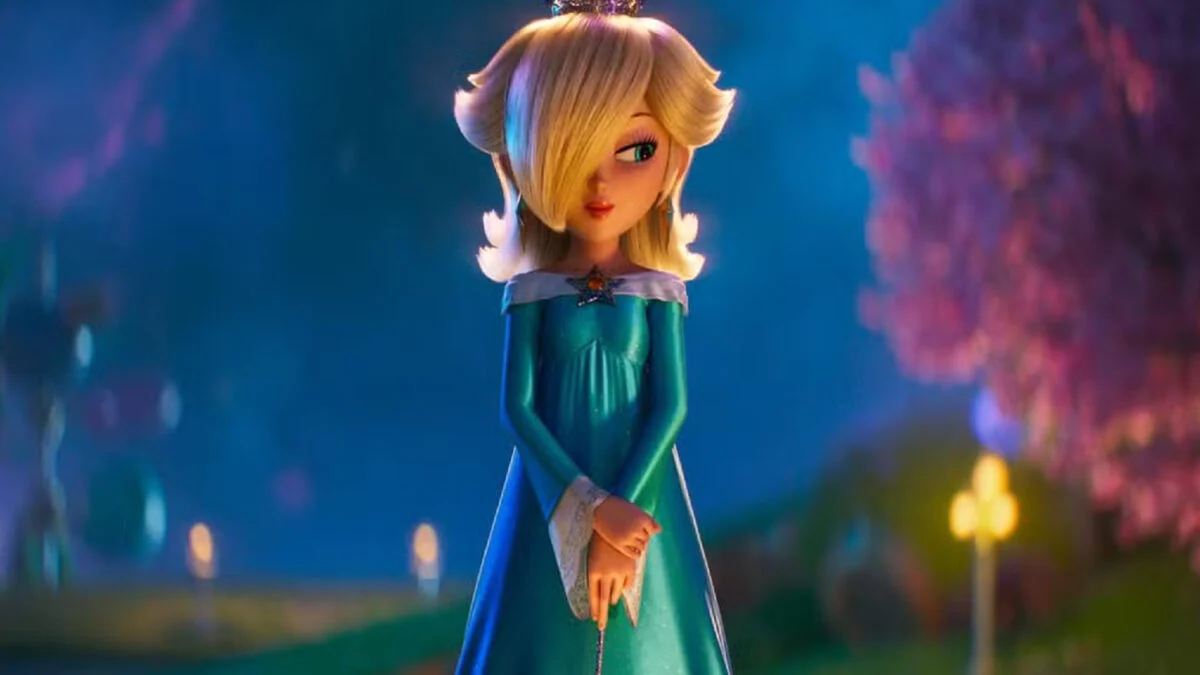
I sat in a dark theater as the logo faded and the crowd cheered. For three beats I waited for Rosalina to arrive and carry the film into something rarer than an Easter egg. Instead, the movie folded her into its mechanics and kept her behind glass.
I’ll say this plainly: you and I both know why Rosalina mattered on paper. She’s a rarefied figure in Nintendo lore—mystical, melancholy, and built to carry cosmic stakes. In the theater, Brie Larson’s name promised that the character would be a highlight; instead the movie turned that promise into a pacing blot.

At the box office: the movie is a commercial win while Rosalina is a narrative afterthought
You’ve probably seen the headlines: Illumination and Nintendo are laughing all the way to the bank. The sequel is out-earning the first film, and Box Office Mojo charts show a healthy climb in ticket sales. But financial momentum and fan enthusiasm on Twitter/X and Reddit don’t erase a storytelling choice—the filmmakers made Rosalina a captive prop instead of a presence.
That’s not just a nitpick. When a familiar franchise leans on cameos and references, each established character is an opportunity to add emotional weight. Here, Rosalina gets a handful of scenes: a strong opening, a capture, then a rescued one-liner. Her arc is stripped to a set piece.
At the press screenings: Brie Larson’s casting signaled something bigger than what arrived on screen
I went to a press screening expecting Larson to do heavy lifting; you were likely expecting that too. Casting a star like her—someone with awards pedigree and franchise credibility—sends a signal to audiences and industry outlets like Variety and The Hollywood Reporter. The signal was mixed: critics noted the film’s reverence for the Mario canon, but they also flagged how underused the cast was.
Rosalina’s emotional history in the original Super Mario Galaxy—dispensed in quiet doses across levels—was handed off to Peach in the film. That move converts Rosalina from a connective tissue of the game’s melancholy into a trophy that exists solely to be freed.
How much screen time does Rosalina have in The Super Mario Galaxy Movie?
If you want the quick answer: not much. Her credited scenes add up to roughly ten minutes in a near-100-minute runtime. You see her in the observatory, she performs a few magical moves, then Bowser Jr. captures her. Outside of a brief interstitial and a climactic rescue, she’s absent.
At home with the original game: the movie borrowed the name but not the structure
Anyone who spent hours with the Nintendo Wii version remembers Rosalina as a throughline—bits of lore revealed across play, voice, and visuals. In the game she’s present and active; in the film she becomes a destination you reach rather than a companion on the journey.
That shift does two things: it robs fans of a meaningful payoff and it weakens Peach’s independent arc by reassigning Rosalina’s emotional beats. Even Fox McCloud, a cameo from Star Fox, ended up feeling more integral to the plot than Rosalina—a baffling outcome given her titular status.
Why was Rosalina sidelined in the movie?
You’re asking who made that call. Studio priorities play a role—Illumination and Nintendo leaned into recognizability and cross-appeal. The film opts for spectacle and Easter eggs over character development. Creative choices—compressing narratives, consolidating backstories—meant Rosalina’s uniqueness was cannibalized to serve broader franchise shorthand.
At online fandom hubs: reaction is split but loyalty to the franchise mutes dissent
You can scroll Twitter/X, Reddit, and Rotten Tomatoes and see the pattern: praise for the film’s references, grumbles about its thin plot. Fans celebrate cameos and visual gags; critics point to the same structural laziness that made Rosalina a hostage to plot convenience.
There’s a psychological ingredient here: fear of loss. Fans feared a bad adaptation; many were relieved by surface-level fidelity and forgave omissions. That forgiveness explains why the film can perform so strongly despite creative missteps.
At the sequel planning table: Daisy is already on the list—what happens next matters
Industry chatter suggests a third film is likely, and Daisy is reportedly joining the cast. If the creative team repeats the same mistake—treating another princess as a plot chess piece—fans and critics will have stronger reasons to push back. The first film proved they could write Peach with agency; the sequel showed they can also choose not to.
One metaphor might help: Rosalina’s screen time felt like a collectible in a glass case—beautiful to look at, untouchable in practice. A second metaphor: the movie placed her like a faded constellation on a poster, visible but not actively lighting the story.
Will Rosalina get a bigger role in the next film?
That’s the million-coin question. You can expect fan campaigns on social platforms and discussions at Nintendo Direct-style events to push for a richer role. Illumination has commercial incentives to keep audiences happy, and Nintendo has narrative stewardship to protect. Whether creative appetite matches the corporate incentive is uncertain.
I’m telling you this from experience covering franchises: studios respond when a character’s absence becomes a sustained, noisy conversation across media outlets, fan forums, and influencers. The question is whether they’ll see Rosalina as a brand asset or a cameo license to cash in.
Will the next film repair Rosalina’s story, or will another princess be repeat collateral in a franchise built to sell joy and nostalgia?