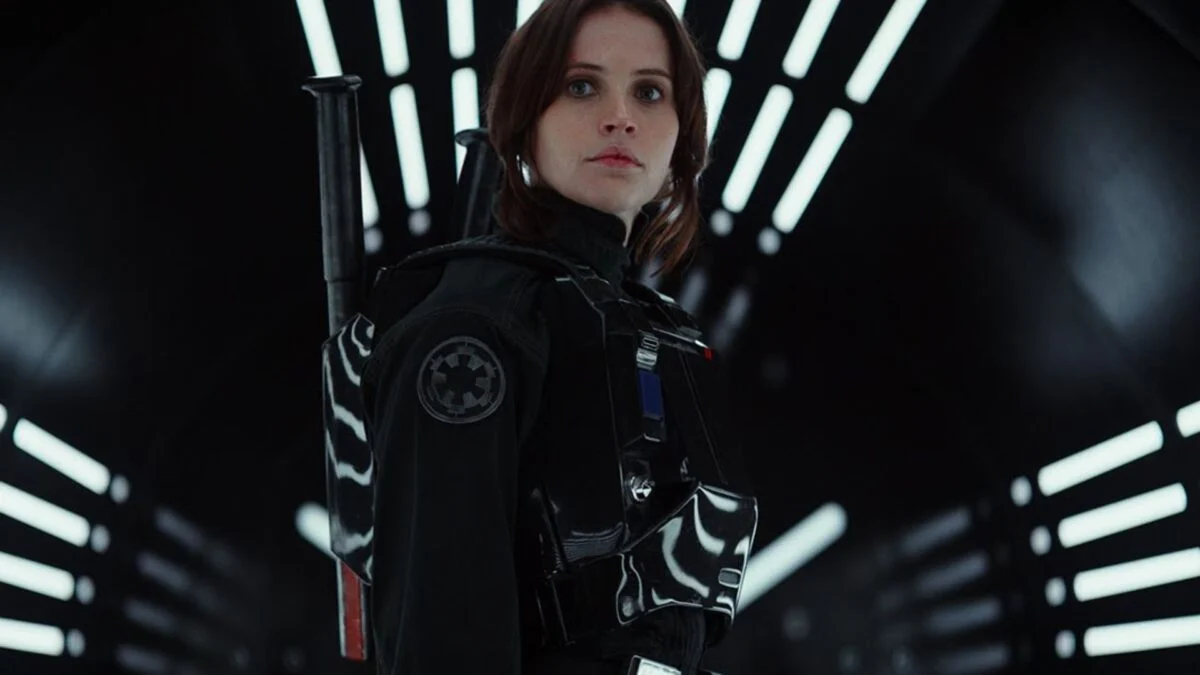
April 7, 2016: the trailer drops and the room goes quiet. I hit play with a half-drunk coffee and a knot of doubt. You felt the past rearrange itself into a new kind of promise.
I’m going to walk you through why that three-minute drop changed more than one film — and why the ripple is still with us. Read this as a collector’s map: small, clear landmarks that point out the turns Lucasfilm and Disney took afterward. I’ll be candid about the shots that never made the cut, the hands that rewrote scenes, and the two seasons of television that followed from a single rebel’s shadow.
At my kitchen table the headline crawled across my phone — the trailer is live
The first trailer for Rogue One: A Star Wars Story arrived on YouTube and social channels with that efficient Lucasfilm rollout: embed, tweet, repeat. You saw Jyn Erso, Orson Krennic, Chirrut Îmwe, and a younger Cassian Andor and knew this was not just another blockbuster push.
When was the Rogue One trailer released?
Lucasfilm released the trailer on April 7, 2016 via YouTube and platforms like Twitter and Facebook; io9 and Gizmodo ran reaction pieces the same day. That single release did what studios hope for: it created instant watercooler friction and drove thousands to stream clips and dissect frames on Reddit and fan forums.
The footage telegraphed stakes we’d only heard about in legends. The trailer’s sudden, brassy alarms—those same sirens that announce the Death Star’s threat in A New Hope—felt like the franchise pointing backward to explain who paid the price for a single victory.
On set, someone passed a printed call sheet and the mood shifted
Production rumors were already a daily diet: reshoots, injections of new writers, producers pacing the lot. For Rogue One that tension became visible when Tony Gilroy was called in to rework sequences originally shaped by Gareth Edwards.
The trailer gave us images that never appear in the theatrical cut — a fact that told a parallel story. The edit and the marketing were no longer perfectly aligned. That dissonance felt like a detonator: a small spark that would set off broader studio hand-wringing about how to manage an expanding Star Wars slate.
What impact did Rogue One have on Star Wars?
Rogue One rewired expectations. It proved you could tell a grim, morally textured tale inside the franchise and then send viewers back to the same timeline from a different angle. The film’s willingness to sacrifice heroes for the greater plot helped justify more experimental projects at Lucasfilm and pushed Disney to fund serialized stories on Disney+.
It also exposed production risks. Phil Lord and Chris Miller walking off Solo, Colin Trevorrow leaving Episode IX, and the shelving of some theatrical ideas all trace back to the studio learning curve that the Rogue One rollout made visible.
On streaming apps, fans replayed Diego Luna’s lines and noticed the details
After the film, the threads that started in that trailer tightened into a new kind of storytelling on television. Andor arrived on Disney+ and took a side character from a three-minute reveal and turned him into the axis of a slow, political origin story.
Is Andor connected to Rogue One?
Yes. Andor is a direct prequel to Rogue One, focusing on Diego Luna’s Cassian Andor and tracing his evolution into the rebel operative we meet in the film. The show’s two seasons earned critical praise and awards attention because it treated the world-building with the patience of prestige television rather than blockbuster shorthand.
Disney+, Lucasfilm, showrunner voices, and a different production rhythm all mattered. Where the trailer felt like a promise, the series spent time paying off that promise scene by scene. Andor became a slow-burning novel that rewired what many viewers expected from franchise television.
Ten years later the trailer remains an artifact: a gateway to new stories, a document of studio growing pains, and the seed from which ambitious streaming drama sprouted. If that first three-minute impression could reorient an entire franchise, what should the next trailer be trying to change?