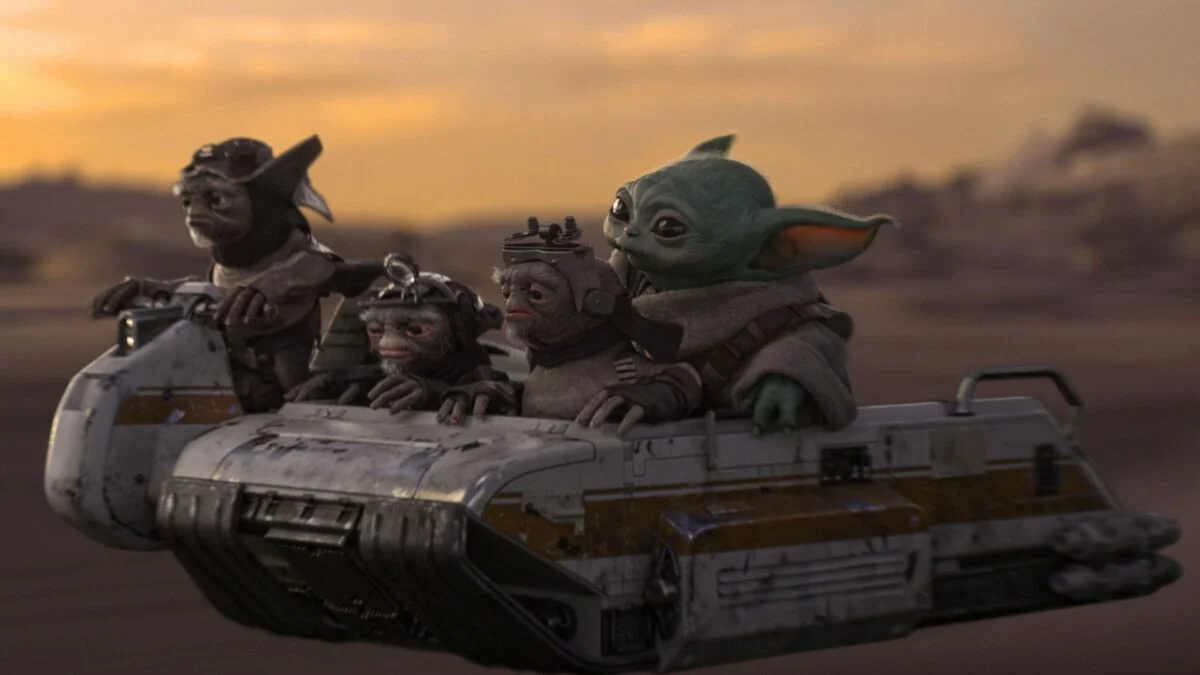
I watched the new creature reel on my phone between meetings and felt something thin snap inside me. Favreau, Pedro Pascal, Sigourney Weaver—smiles, clips, creature close-ups—and still no pulse. By the time the video ended I knew the film was being sold as texture, not as a story.
I’m going to be blunt with you: I love Star Wars the way some people keep a childhood book on a shelf. You care about the walkers and the droids, but you stay for the people. Right now the movie’s marketing is treating theatergoers like they want spectacle, not reasons to feel anything. That worries me.
At the water cooler someone said the trailers feel like tech demos — The creature reel proves the point
You can’t deny the craftsmanship. Favreau’s pedigree with The Mandalorian, the practical creatures, even the nod to classic effects speak to an old-school love of making things tangible. But those choices are production language, not emotional language. The new clip is beautiful—like a carnival mirror that shows you detail and warps the whole backstory away.
What is The Mandalorian and Grogu about?
Short answer: the film follows Din Djarin and Grogu on a set of bounties for the New Republic, with the larger fallout of Grogu’s existence still unanswered. We have narrative breadcrumbs—Din’s possible claim to leadership, a Mythosaur sighting, the political instability left by recent seasons of The Mandalorian—but the marketing so far treats those as secrets to hide rather than hooks to sell. Jon Favreau, Pedro Pascal, and Sigourney Weaver are involved; Lucasfilm and Disney+ have the pedigree. What’s missing is a clear human stake that tells you why May 22 matters.
In interviews Favreau keeps saying the film was ‘for IMAX’ — The campaign keeps shouting format over feeling
The trailers talk about format like it’s a selling point in itself. IMAX, practical sets, a “for theaters” promise—fine. I paid $20 (€18) to see something that wants to feel large; I’ll happily pay that if the film gives me an emotional reason to be there.
Why is the marketing focusing on IMAX and practical effects?
Because those are tangible claims studios can promote: larger frames, LED stages, practical creature work. They’re easy to demo in a two-minute spot. They make for good press quotes. But they’re also safe. Saying a movie is “for IMAX” is like selling a vacation by showing a hotel lobby—impressive surfaces, not the story you’ll remember. Disney and Lucasfilm are leaning on spectacle to prompt theater bookings instead of a hook that makes people choose a crowded opening night over waiting to stream.
On social feeds people are split about buying tickets or waiting for Disney+ — The danger is audiences treat this like a long episode
There’s real fatigue. After seasons of streaming prestige, fans can tell when an entry is an event and when it’s a dressed-up episode. The last thing Star Wars needs is for people to leave the theater thinking, “I could’ve watched that on my couch.”
The marketing risks the film feeling like a high-budget TV installment rather than a movie that changes something in the saga. The Avengers teasers for Avengers: Doomsday did an economy of emotion—family, loss, fear—that made you want to be in a theater with strangers and cry. The Mandalorian and Grogu trailers so far give you creatures and set pieces, not a person’s arc you have to watch unfold.
Is the film worth seeing in theaters?
It depends. If you value spectacle—IMAX framing, practical creature work, and big-action choreography—you’ll likely enjoy it on a big screen. If you want a narrative that changes the status quo (a leader rising, Grogu’s fate shaping galactic politics), the current marketing doesn’t promise that. Disney+, Lucasfilm, and Favreau have the tools to deliver both; whether they choose to sell one over the other is the gamble.

There’s still time for the campaign to change course. Trailers can pivot from surface spectacle to human stakes with a single compelling line or a scene that shows what the characters risk losing. Right now, though, the press cycle has been full of proud technical bits and a Super Bowl ad that offered mood over meaning. That makes the film feel like a promise of production value instead of a promise about people.
I want to believe Favreau will deliver something memorable—he’s built entire seasons of TV into moments that landed—but marketing shapes expectation. If this keeps selling texture over tension, audiences may treat the May release as optional. Are you buying a ticket to be moved, or to be impressed?