I once sat across from a 19-year-old who argued a seven-minute web episode felt more honest than a studio pilot. She moved from clip to clip until the café wifi throttled and the conversation turned into a fandom glossary. That night I realized the axis of animation culture has quietly shifted.
I’ll walk you through what YouTube’s own Trends and Culture team found, why you should care as a creator or a fan, and how these shows are turning community attention into real-world moves. Read this like a quick field report — I’m speaking from years covering creators, and you’ll see which signals matter.
At a dorm-room watch party, everybody cheered at the same five-second gag.
That’s the behavioral unit of indie animation today: clips that become communal currency. YouTube’s April 2025 survey shows 61% of animation fans aged 14–24 prefer indie creators to major studios. Those fans aren’t just passive viewers — 66% watch animated memes weekly, 57% follow animatics, and 63% stream full episodes regularly. Half of fans aged 14–49 also consume these series in non-native languages, which flips the old localization math on its head.
What I notice as a reporter: attention is fractional but fierce. Fans amplify clips like relay runners passing a baton, and that baton carries subscribers, merch sales, and Patreon pledges.
Why is indie animation popular on YouTube?
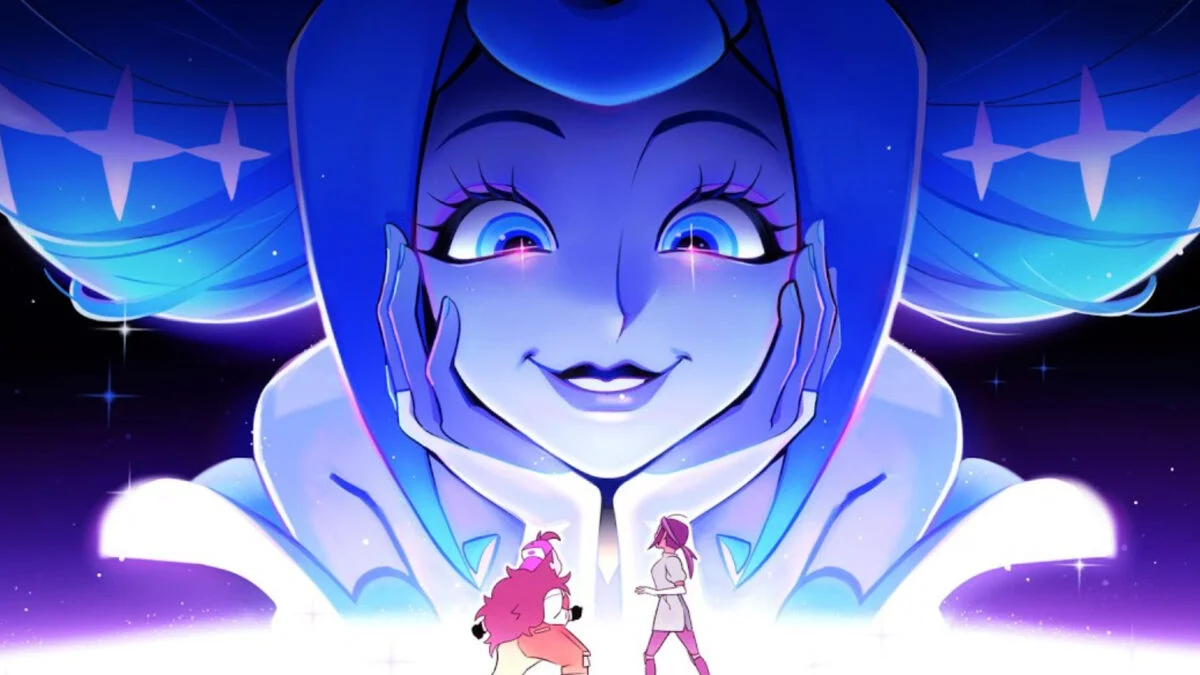
Because YouTube combines discoverability, repeatable clips, and community tools. Creators use tags, chapters, and Shorts to surface highlights; community posts and premieres create appointment viewing; and comments become micro-forums. Platforms such as Discord, Twitter/X, and Reddit then turn those sparks into sustained fandom rituals. YouTube’s report highlights titles like Amazing Digital Circus, Helluva Boss, Alien Stage, and Brazil’s Sociedade Da Virtude as high-visibility proof points.
On a crowdfunding page, a creator typed gratitude into the comments as the goal was hit.
Crowdfunding isn’t a fallback — it’s a financing engine. Patreon, Kickstarter, and Ko-fi let creators monetize devotion before a distributor ever writes a check. Add merch drops, direct donations, Twitch streams, and sponsor reads, and you’ve got diversified income that’s often more reliable than ad revenue alone.
How do indie shows make money?
Multiple channels: YouTube ad splits, membership revenue, crowdfunding, merch, live events, and licensing deals. Many creators use tools like Blender or Toon Boom for production, After Effects for polish, and analytics platforms to track retention. Successful indie teams layer income: a hit clip pays the next episode, and a sold-out con table funds post-production.
At an industry panel, an exec admitted they miss where fresh voices start.
That admission helps explain why studios are suddenly courting YouTube hits. Indies are moving outward: Amazing Digital Circus is heading to theaters this June, and several YouTube-first series have licensed runs on Prime Video and Netflix. An indie pilot can spread across platforms like spilled ink across paper, and once a fandom locks in, consumer demand follows.
Can YouTube animations move to Netflix or Prime Video?
Yes — but not automatically. Producers need demonstrable metrics: sustained viewership, high engagement, and a willingness to adapt to platform standards. Platform deals often buy exclusivity windows, remasters, or even theatrical runs. For creators, having clean assets, a monetization track record, and a mobilized community increases deal leverage.
In fan chats, VTubers and meme edits get credit for popularizing characters.
Community labor is the engine. VTubers, AMVs, animatics, and fan art create free promotion and extend a show’s life cycle. YouTube’s report emphasizes how creators lean into this: they reciprocate through AMAs, crowdfunding rewards, and community-made content showcases. You should see fandom as a production partner, not just an audience.
If you’re a creator, the tactical checklist is simple: build clipable beats, master premiere and community tools, and activate crowdfunding early. If you’re an exec, watch the engagement graphs instead of portfolio pedigree. I’ve followed enough breakouts to know attention here is a leading indicator, not a trailing one.
So where does that leave legacy studios and the platforms that chasing audiences — are they competitors, curators, or collaborators when fandom is already writing the script?