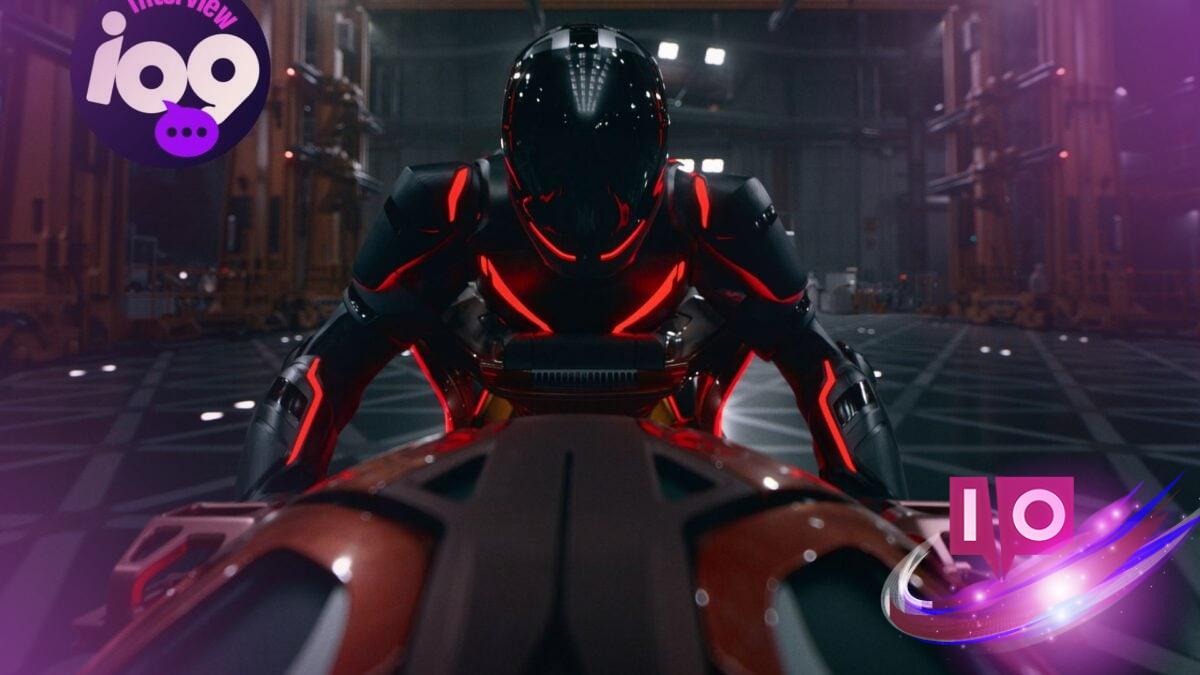
The saga of the Tron franchise is a testament to the challenges of sequels in Hollywood. Between the original 1982 film and its successor, Tron: Legacy, nearly three decades passed. Even after the delayed follow-up, Tron: Ares, it took 15 years to come to fruition. Writer Jesse Wigutow has witnessed much of this evolution firsthand.
Initially involved in Legacy, Wigutow officially joined the team for its sequel in 2012. By that time, director Joseph Kosinski and a host of writers had spent almost three years working on a film that was originally titled Tron: Ascension. This version intended to extend the narrative of its predecessor. However, after Disney’s acquisitions of Lucasfilm and Marvel, the Tron franchise lost priority.
Despite years of uncertainty, Wigutow remained optimistic. His patience paid off in 2017 when the franchise was revived with Jared Leto, an Oscar-winning actor and enthusiastic fan of Tron, at the helm of a reimagined narrative. Now, after nearly a decade of planning, Tron: Ares is finally hitting theaters, marking a significant milestone.
This week, io9 interviewed Wigutow to catch up on the evolution of the film and discuss exciting potential directions. Below are key insights from our conversation.

1. How Did Writing Change from Ascension to Ares?
Wigutow stepped in during a pivotal moment, looking to continue the story from Legacy while developing a fresh angle. “Initially, we aimed to carry those characters and that mythology forward,” he noted. Yet, the focus ultimately shifted to developing a compelling new character, leading to the creation of Ares.
2. What Happened During the Delays?
Wigutow’s journey was filled with anticipation and uncertainty. “You have to be realistic about the industry,” he reflected, acknowledging that despite years of work, the film’s fate remained uncertain. Yet, he held onto hope, believing in the potential revival of the project.
3. How Did Jared Leto Influence the Project?
When the franchise regained traction, Leto’s dedication was instrumental. Wigutow recounted their brainstorming sessions that sparked a new vision for Ares. “My initial ideas shaped the film’s blueprint,” he shared, emphasizing the excitement around exploring new narratives.
4. What Challenges Did They Face with Ares?
One core challenge was the film’s technological backdrop, particularly with the rapid advancements in AI. “Every draft faced new tech breakthroughs,” Wigutow explained. As real-world tech evolved, it influenced the film’s narrative, blurring the lines between reality and fiction.
5. What’s Next for the Tron Franchise?
With an open ending, Wigutow hinted at possible future developments. “The film leaves room for growth and continuation,” he teased, alluding to the potential for more stories and character explorations in subsequent chapters.
Is Tron: Ares a direct sequel to Tron: Legacy? While it carries forward some elements, it’s distinct enough to introduce new viewers. The film reimagines the universe while maintaining core themes, making it accessible to both newcomers and franchise veterans.
When will Daredevil: Born Again be released? Expected in 2026, the new season will continue exploring its compelling narrative, building upon the foundations established earlier.
As Tron: Ares finally arrives in theaters, Wigutow reflects on its long journey. “There’s a deep satisfaction in seeing this project come to fruition,” he said. It’s a rewarding culmination of hard work and passion.
If you’re looking forward to more insightful content on franchises or the latest in entertainment, be sure to check out Moyens I/O for more updates.