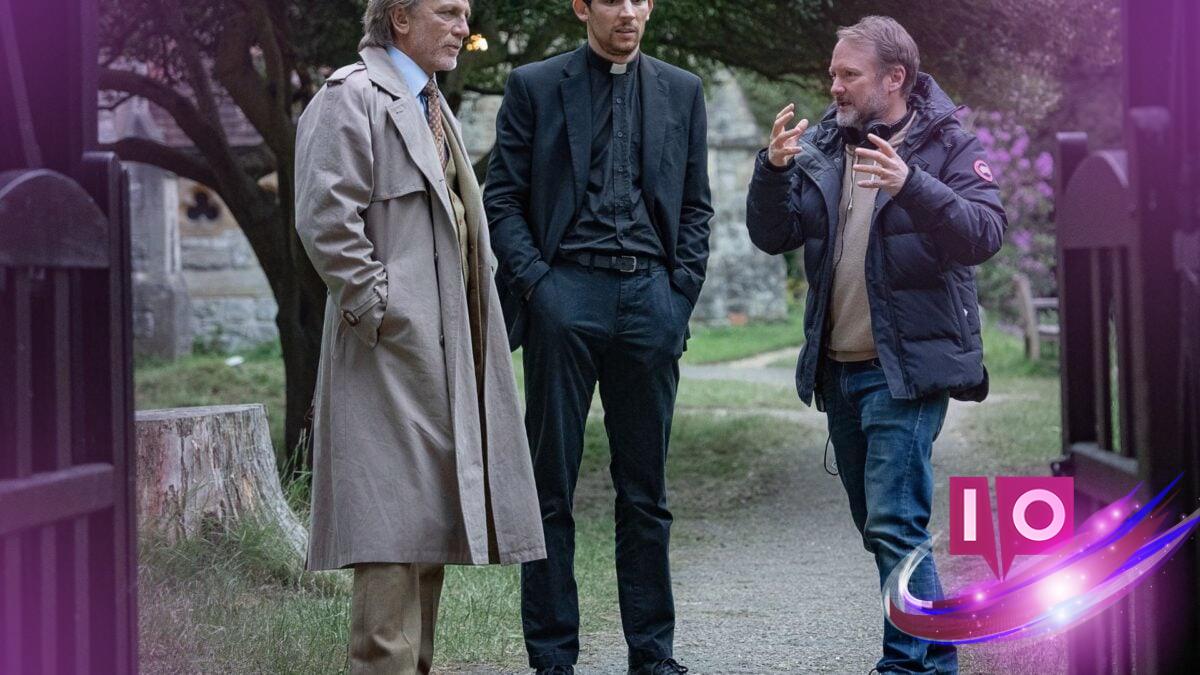
Ever wondered what happens in the editing room when a director feels the pressure from studio executives? The classic tale of the “final edit” often involves a higher-up forcing filmmakers to trim their work, sacrificing artistic vision for commercial gain. From shortening running times for more screenings to removing potentially controversial scenes, the compromises can be difficult to stomach. How often this pressure manifests in Hollywood is unclear, but it’s a narrative well-known among those in the industry.
In his latest project, Wake Up Dead Man: A Knives Out Mystery, writer and director Rian Johnson turned these challenges into an opportunity. During a recent screening hosted by Collider, he recounted the creation of what he humorously dubbed the “asshole studio cut.”
1. Taking a Radical Approach to Editing
Johnson explained how this unique editing session unfolded. Just a week shy of sound mixing, he found himself questioning the film’s length, which happened to be the longest in the trilogy. Feeling uncertain, he collaborated with his editor, Bob Ducsay, over the weekend to experiment with a new edit. They created a copy of the film and took a no-holds-barred approach, slashing about 30 minutes of content. Johnson joked, “Cut away from this shit! No one wants to see that!” This persona of an “asshole studio exec” became a powerful tool for reflection.
2. The Emotional Weight of Editing
This exercise turned out to be incredibly cathartic for Johnson. He likened it to a “rage room”—a place where creative frustration can be unleashed. The process not only allowed him to vent but also offered valuable insights. As they removed scenes, he discovered why certain elements were essential for the emotional resonance of the final product, helping him understand the film’s core structure.
3. How Did It Influence the Final Product?
The outcome is clear: Wake Up Dead Man stands out as his best work to date. This method of nearly dismantling the film enabled Johnson to return to the original vision, ultimately enhancing the movie’s impact. In the same Q&A, he reminisced about challenges he faced editing Star Wars: The Last Jedi, specifically a complex opening sequence that required substantial restructuring to find its rhythm.
4. Lessons Learned in the Editing Room
Editing is often likened to a puzzle, where pieces can be rearranged to achieve the desired flow. Johnson discussed how critical it is to remain flexible during this phase, ultimately achieving a polished work that feels cohesive—a satisfying experience for both the creator and the audience.
Is it better to leave scenes in or cut them during editing? This is a common question among filmmakers. While every project is unique, maintaining an open mind during the editing process can yield surprising results.
Have directors ever regretted studio-imposed cuts? Yes, many filmmakers have expressed dissatisfaction with changes made under studio pressure, leading to less authentic storytelling.
What tools do filmmakers use to edit their movies? Popular editing software includes Avid Media Composer and Adobe Premiere Pro, which offer various features to enhance the editing experience.
How important is the editing process in filmmaking? Editing is crucial as it shapes the narrative pace, emotional weight, and overall coherence of the film, often making the difference between a good and a great movie.
Finally, if you’re intrigued by the intricacies of filmmaking and want to dive deeper into the world of movies, consider exploring other related content. For more insights, visit Moyens I/O.
The Last Jedi is currently available on Disney+, while Wake Up Dead Man will be hitting select theaters on November 26 and streaming on Netflix starting December 12.