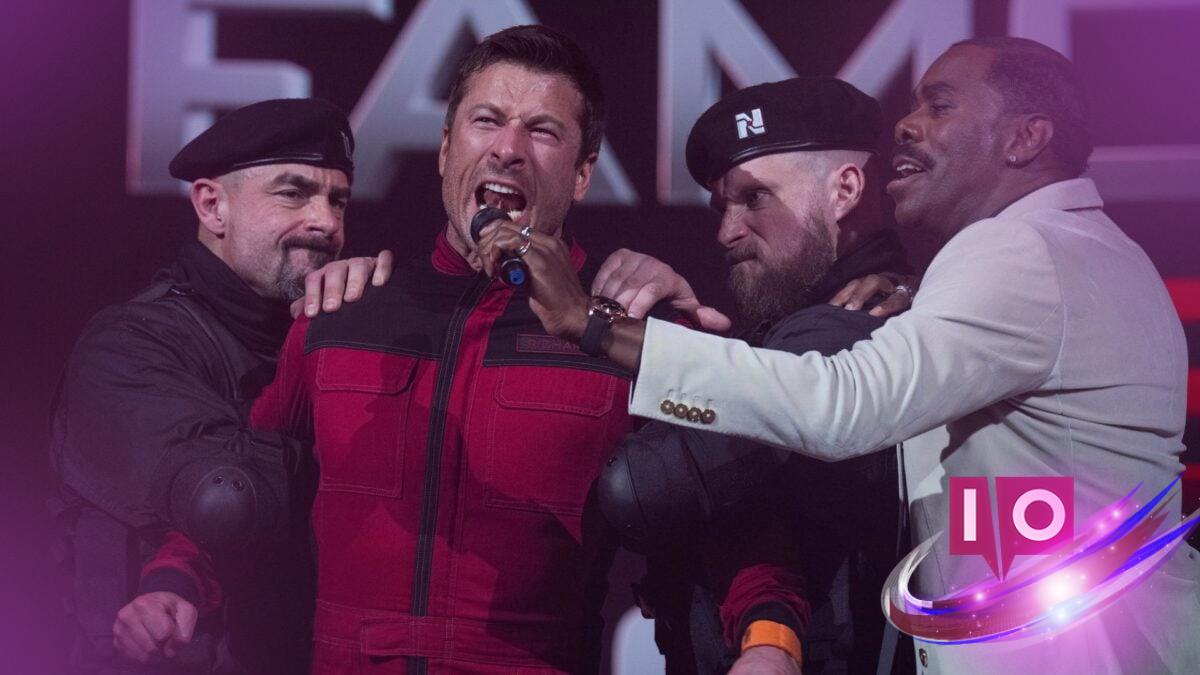
The multiple adaptations of The Running Man highlight the evolving nature of storytelling across different mediums. With three distinct versions—Stephen King’s original 1982 novel, the 1987 film, and Edgar Wright’s upcoming 2025 adaptation—each iteration offers a unique ending. While our review expressed concerns about the film’s conclusion, it seems Stephen King himself appreciated it. This makes the conversation about the endings all the more intriguing.
You might be wondering how these endings differ. Let’s explore the unique aspects of each version and what they reveal about storytelling.
The Three Endings of The Running Man
The 1987 film features Arnold Schwarzenegger as Ben Richards, who is initially presumed dead but later takes the battle to the game show’s host, Killian, ultimately finding triumph. In stark contrast, the book concludes with a somber ending: Richards sacrifices himself by crashing an airplane into the studio, marking a brutal finish. The novel reads, “The explosion was tremendous, lighting up the night like the wrath of God.” This dark tone sets the book apart from the more action-oriented and redemptive film.
Wright’s Blend of Both Worlds
Edgar Wright’s version, starring Glen Powell, manages to intertwine elements from both the original book and the 1987 film. The storyline mirrors the novel closely, depicting Ben Richards’ flight towards the network building, only for his plane to be shot down. Unlike the book’s bleak conclusion, the film reveals Richards survives and ultimately seeks revenge on Killian. This blend allows audiences to experience a storyline aligned with contemporary values while satisfying long-time fans of the novel.
What Stephen King Thinks
Recently, King shared his thoughts with Entertainment Weekly, expressing his approval for the film’s new ending. He noted, “I like the ending of Edgar’s version of The Running Man very much. Can’t say too much—spoilers—but I think readers of the novel will be satisfied because they get to have it both ways.” This statement emphasizes King’s acknowledgment of the shifting landscape in storytelling and the demand for varied endings.
Why Our Review Felt Let Down
While the film’s premise is engaging and thorough, the ending leaves much to be desired. Despite establishing rules and locations with great precision throughout, the conclusion relies on fast-paced sequences and ambiguity, leaving audiences with lingering questions. This shift from a detailed narrative to a hurried wrap-up diminishes the emotional impact. Though some may enjoy the twist of a happy ending, the sudden pace can feel rushed and inconclusive.
Common Questions About The Running Man
What are the different endings of The Running Man? The 1982 novel ends with Richards sacrificing himself; the 1987 film provides a triumphant twist, while the 2025 film attempts to merge both outcomes.
How does King feel about the new movie adaptation of The Running Man? King appreciates the movie’s ending, stating that it satisfies both fans of the book and the film’s needs.
What themes are explored in The Running Man? Themes of survival, government control, and media manipulation are central to the story, reflecting societal concerns that resonate across generations.
Why is the ending of Wright’s film controversial? The controversial ending mixes elements from both the book and the previous film but is criticized for lacking clarity and depth, leaving many questions unanswered.
Did audiences prefer one version over another? Audience preferences vary; some favor the brutal ending of the original book, while others may enjoy the redemptive arc of the 1987 film and Wright’s modern touch.
In conclusion, the exploration of different endings in The Running Man not only showcases the evolution of storytelling but also highlights the significance of audience expectations. As you watch and reflect on these adaptations, consider how they align with societal values and individual interpretations. For more engaging content, visit Moyens I/O.