Exploring the Depths of Paru Itagaki’s Sanda: A Unique Anime Experience
In the expansive realm of manga and anime, few creators have managed to push the boundaries of storytelling like Paru Itagaki. Known for her acclaimed works such as Beastars, Itagaki is now captivating audiences with her latest project, Sanda, adapted by the innovative studio Science Saru. If you’re looking for a narrative that intertwines the bizarre with profound themes, then Sanda is a must-watch.
Itagaki’s unique ability to meld quirky premises with meaningful stories establishes her credibility as an extraordinary storyteller. Her talent in questioning societal norms through whimsical character arcs is reminiscent of storytelling legacies like that of Rumiko Takahashi.
1. What Is Sanda Really About?
At first glance, Sanda presents itself as a combination of a murder mystery and a battle shonen set in a post-apocalyptic school environment. The central character, Sanda Kazushige, transforms into Santa Claus whenever he comes into contact with red objects. It seems whimsical, but the show dives deeper, revealing substantial themes surrounding childhood and adulthood.
2. What Are the Themes in Sanda?
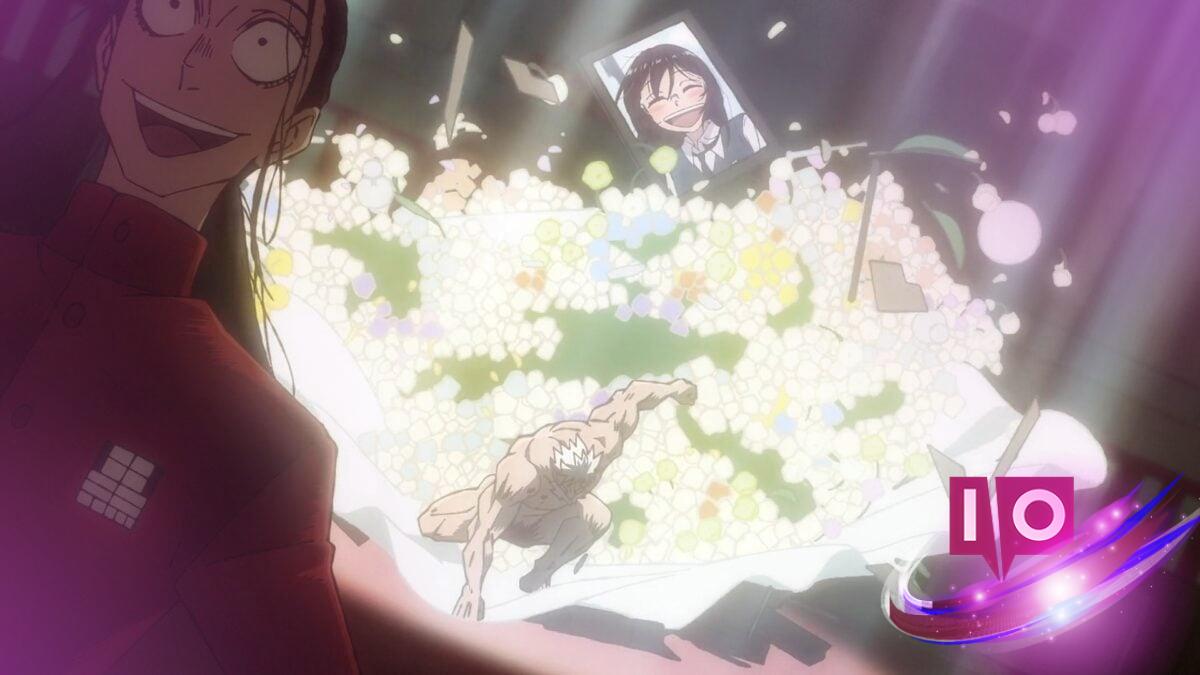
As the series progresses, deeper themes unfold, particularly in episode 5, which depicts a world where children are deprived of sleep to avoid puberty. This unique premise introduces Hifumi Oshibu, the school’s 92-year-old headmaster who represents an obsession with youth, going so far as to create an environment that stunts the children’s natural growth. Itagaki highlights the conflict between the desire for innocence and the inevitable transition into adulthood.
3. How Does Sanda Address the Fear of Growing Up?
Sanda’s narrative explores how societal systems work to keep children in a state of perpetual innocence. The contrast comes alive through Sanda’s ambitions to become stronger as Santa, reflecting the struggle many face when pursuing their dreams against overwhelming societal pressures. Moreover, the love triangle between Sanda, Shiori, and their missing classmate Ono adds layers to the story, showcasing the complex emotional turmoil of adolescence.
4. Can Sanda be Considered a Unique Perspective on Youth?
Absolutely! It’s not just another shonen series. Sanda offers commentary on the commodification of childhood. The interactions, conflicts, and dreams serve as metaphors for the challenges of growing up in a society obsessed with preserving innocence, thereby getting viewers to question the effects of such societal demands.
5. What Can We Expect from Science Saru’s Adaptation?
Animation studio Science Saru has earned a reputation for bringing unique and slightly surreal narratives to life, and Sanda is no exception. Their expertise in blending humor with heartache enhances the surreal experience. With only half the season released, there’s still much to explore, and fans can expect further development of its intriguing themes.
What makes Sanda so captivating is how it transcends the typical barriers of genre. It engages audiences with quirky charm while successfully tapping into poignant themes surrounding growth, societal expectations, and the transition from childhood. The narrative showcases that beneath the amusing facade lies a rich tapestry of storytelling, one worth exploring further.
If you’re curious about how it all unfolds, you’ll want to stick around for the rest of the season. The deeper you dive into Sanda, the more rewarding it becomes, revealing not just tales of invention but also reflections on the struggle of growing up.
For those looking to delve even deeper into more unique anime experiences like Sanda, consider exploring a wealth of content at Moyens I/O.