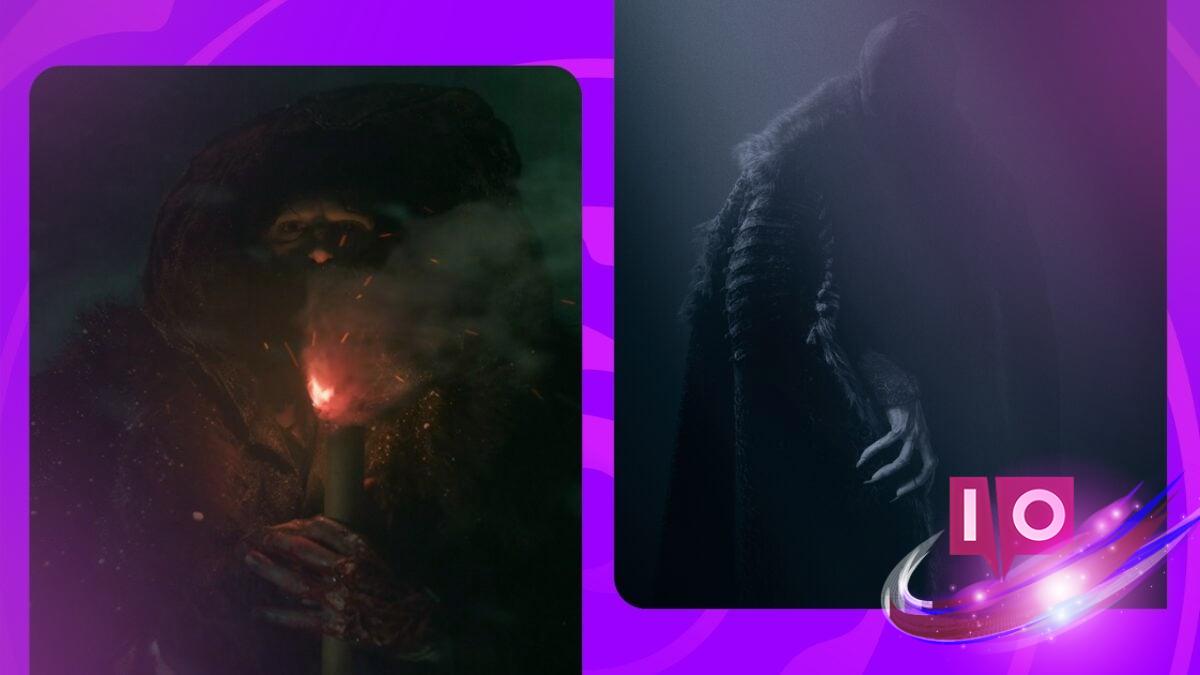
As a new wave of horror films makes its mark, cinematic enthusiasts are stepping into yet another debate: the quality of Robert Eggers’ Nosferatu compared to Guillermo del Toro’s Frankenstein. Instead of arguing who created the better film, let’s appreciate the beauty of having two remarkable interpretations of classic horror stories so close together.
These films represent an organic artistic progression rather than a shallow commercial venture. Both directors have infused their works with genuine creative vision, showcasing the significance of artistry over mere profit-making.
1. The Current State of Pop Culture Films
The film industry has become increasingly formulaic, largely driven by the success of superhero franchises like Marvel and DC. This tendency often results in a lack of artistic integrity, creating films more akin to elaborate advertisements than genuine narratives. Many fans are experiencing what now feels like “superhero fatigue,” leading to debates around the artlessness of these productions. For every commercial hit like Space Jam 2, there are misses that fail to resonate.
In this perilous landscape, nostalgia seems to be a double-edged sword. While it can evoke fond memories, the recent trend of turning beloved toy lines into movies—like Mattel’s venture with titles ranging from American Girl Dolls to Uno—often lacks depth and significance.
2. Why Current Films Fail to Inspire
Many contemporary films focus on brand recognition over storytelling. Studios are more invested in leveraging existing properties rather than delivering quality content. Take the infamous “Dark Universe,” which collapsed before it ever truly began; it was a model of how not to create films through a sense of artistic merit. Ultimately, films today often feel constrained by commercial expectations, making them less about individual storytelling and more about maximizing profits.
3. What Sets Frankenstein and Nosferatu Apart?
In contrast, both Nosferatu and Frankenstein stand out because they were crafted with artistic ambition rather than market calculations in mind. They shine with an authenticity that reminds audiences what cinema can be. Every aspect, from the use of miniatures to historical accuracy, showcases the dedication of both directors. Their disdain for industry clichés, such as reliance on AI, suggests a commitment to tradition in filmmaking.
Does the release timing of these films influence their success and public perception? Yes, the late-year releases for both films invite comparisons but also highlight their uniqueness. Unlike many films that overshare in their promotional materials, these directors have successfully teased their narratives while leaving audiences intrigued.
4. How Do These Films Resonate with Audiences?
Audiences are captivated by the emotional resonance contained within both films. Eggers’ Nosferatu explores themes of acceptance and redemption through a gothic lens, while del Toro’s Frankenstein evokes deep emotions surrounding generational trauma and cycles of abuse. They are not mere remakes; they represent significant artistic statements, engaging viewers long after the credits roll.
Is it worth celebrating these films together rather than pitting them against one another? Absolutely. Both works reflect a commitment to artistic creation over profit, serving as a meaningful blueprint for future productions.
5. What Can Hollywood Learn from Nosferatu and Frankenstein?
Both films should serve as a wake-up call for Hollywood, reminding the industry that creativity thrives when freed from profit-driven metrics. Films like The Bride! by Maggie Gyllenhaal and Eggers’ upcoming Werwulf are anticipated to continue this trend, treating monster films as potentially profound art rather than mere commercial content.
Can filmmakers find inspiration in the creative freedom displayed in these adaptations? Definitely. There’s a wealth of classic horror literature worth reimagining through the lenses of brave new voices, making it imperative for the industry to allow fresh talent to explore their visions.
As we move forward, the success of Nosferatu and Frankenstein signals hope for horror films in serious cinematic discourse. These films prove that horror can not only engage audiences but also stand as impactful works of art.
If you’re interested in staying updated on similar thought-provoking content, consider exploring more at Moyens I/O.