When you step into the expansive universe of Fallout, you’re not just wandering through a desolate wasteland; you’re diving into countless hours of lore, strategy, and the stark realities of a post-apocalyptic world. If you’ve ever found yourself mulling over the mysteries of the Great War or getting lost in the vastness of Fallout’s intricate landscapes, you know the kind of passion this franchise ignites. As a devoted fan, I couldn’t help but note the nuances in the latest teasers, like Dinky the T-Rex’s curious positioning and Hank’s nostalgic Pip-Boy 3000 Mark IV in the Season 2 trailer.
So, it’s no surprise that I approached Amazon Prime’s Fallout Season 2 with a mix of excitement and trepidation. The first season set a high bar, featuring dark themes, sharp humor, and insightful commentary on capitalism—all wrapped in a perfect visual package that stayed true to the essence of Fallout. What I found was not just a solid video game adaptation but a vast, engaging foray into science fiction.
Main Quests, Side Quests, and Everything in Between
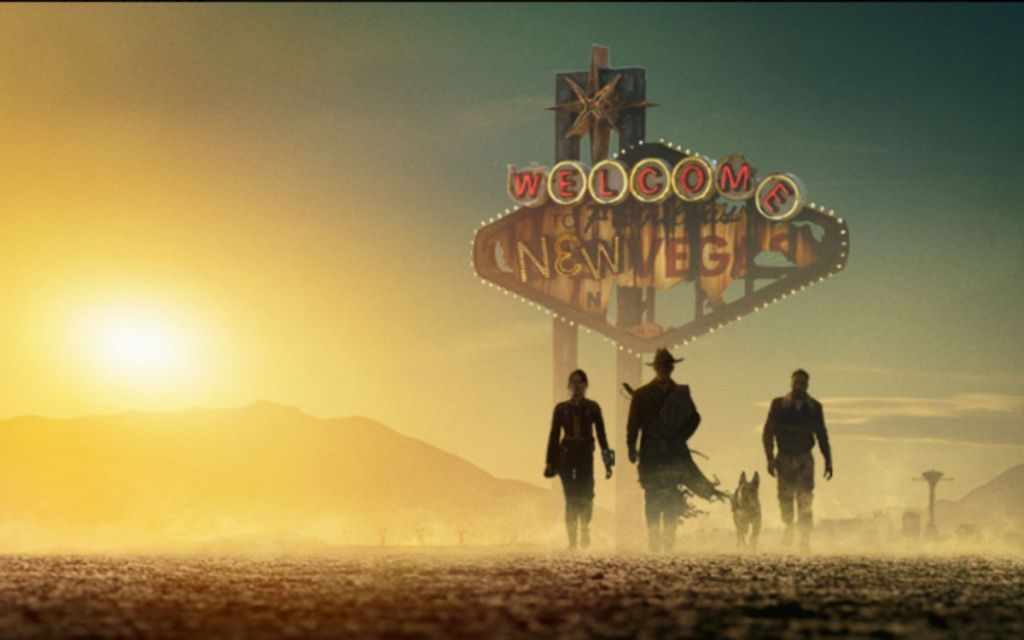
Fallout Season 2 leads us into the glittering yet grim setting of Las Vegas, specifically the Mojave Wasteland. Here lies the iconic Strip, luring travelers like Lucy MacLean (Ella Purnell) and The Ghoul/Cooper Howard (Walton Goggins), who find themselves on an improbable buddy cop adventure through perilous landscapes.
Maximus (Aaron Moten), newly sworn into the Brotherhood of Steel, adds another layer to this trio. As he fights to find meaning in his new allegiance, he develops a bond with Elder Quintus, who dreams of uniting the Brotherhood’s factions, empowered by Cold Fusion tech.
The story is peppered with vault-centric side plots. Norm (Moisés Arias) embarks on his own adventures in Vault 31, while glimpses of the lives in Vaults 32 and 33 add depth to the narrative. Among these tales, the most gripping is Lucy’s quest to locate her father, Hank MacLean (Kyle MacLachlan), intertwining her journey with the Ghoul’s search for his loved ones—a classic partnership forged out of necessity.
How is character development handled in Fallout Season 2?
Character evolution is intriguing. Lucy, despite her fashioned naivety from Vault 33, encounters harsh truths in the wasteland. Her journey explores her struggle for civility amidst chaos, leading to powerful moments of growth that resonate with viewers. The Ghoul continues to shine, blending his dark humor with a softer side, particularly in poignant interactions with the lovable Dogmeat.
What are the main themes explored in Season 2?
Season 2 ambitiously tackles themes of loyalty, ambition, and the relentless pursuit of purpose. Maximus embodies a warrior’s internal conflict, creating a narrative rich with personal stakes against the broader chaos of the wasteland.
However, as the season progresses, the pacing falters with six episodes to review. The storyline feels fragmented at times, making it a challenge to build toward a thrilling climax. Balancing multiple character arcs may leave some viewers yearning for a sharper focus.
The House Stands Tall, and The Ghoul Rides Shotgun
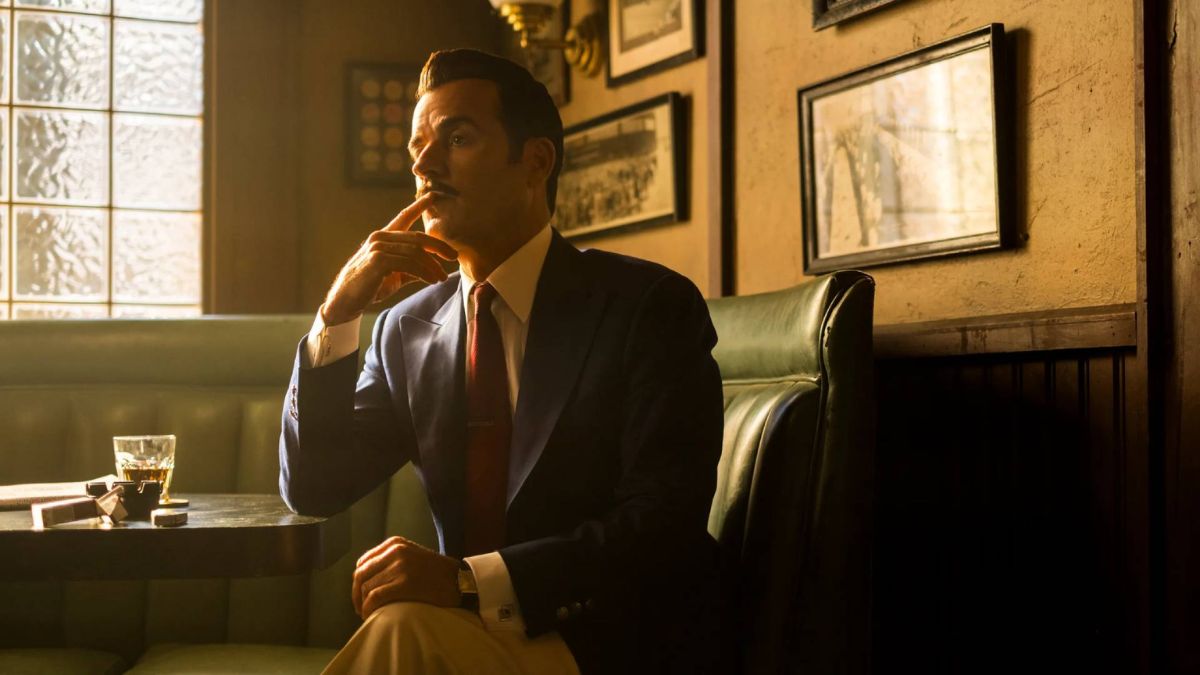
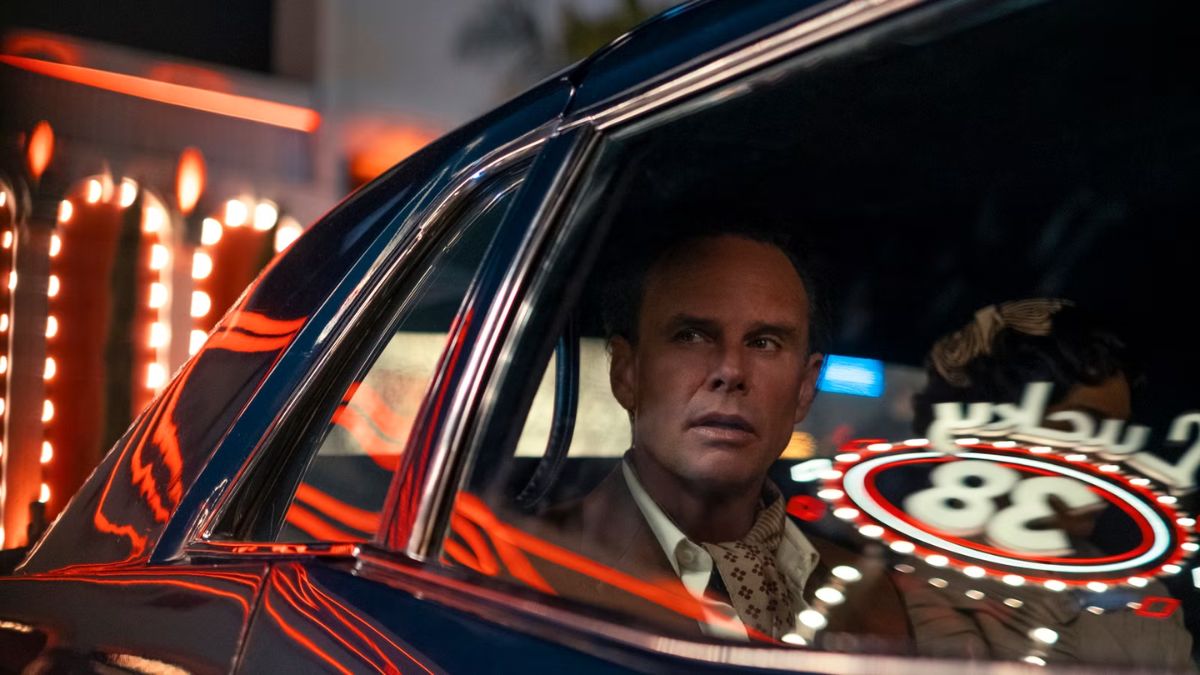
Another highlight is Justin Theroux’s masterful portrayal of Robert House, a character dripping with ambition and calculated wit. His voice radiates authority, leaving viewers intrigued at every encounter. Walton Goggins also delivers a notable performance, masterfully toggling between the charming Cooper Howard and the weathered Ghoul. Their dualities add depth to the plot, creating a tension-filled narrative space you can’t ignore.
What role does attention to detail play in Fallout Season 2?
The attention to detail in Season 2 enhances the viewing experience. From the meticulous representation of Vaults to the glimmers of nostalgic easter eggs scattered throughout, it becomes clear that the creators have poured heart and energy into this adaptation. Cars explode in fiery clouds, and iconic elements like Giddyup Buttercup and the Strip are beautifully real.
A standout aspect is the soundtrack, which features Atomic Age classics that perfectly frame pivotal scenes, echoing the rich history of the Fallout narrative.
Final Thoughts: An Ambitious, If Uneven Trip to the Mojave
With six episodes under its belt, Fallout Season 2 exemplifies an ambitious continuation. The performances are anchored by strong leads and a production design that beams with authenticity. Yet, its fragmented structure sometimes muddies the narrative flow, leaving the story feeling scattered.
Even with pacing quirks, the series manages to engage, keeping viewers curious about whether the final episodes can unify its various arcs. The prospect of the season finale filling in the gaps is tantalizing, promising a rewarding experience for those who journey through the wasteland.
What are your thoughts on the progression of Fallout Season 2? Share in the comments below!