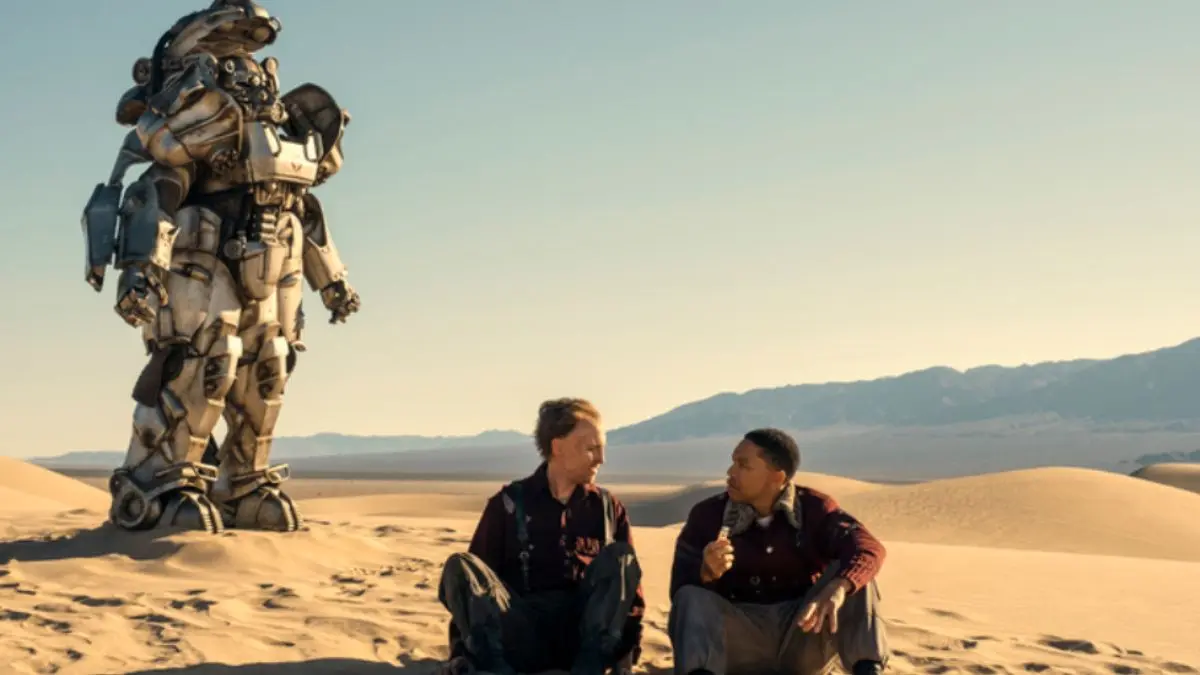
When it comes to the Fallout franchise, dynamic storytelling has always been front and center, thanks in large part to its multitude of factions woven into the universe’s rich lore. Just like the games, the live-action series has introduced us to some of these familiar factions. Some play pivotal roles in the overarching plot, while others linger in the background. So, let’s explore all the factions we’ve encountered in Fallout, including highlights from the latest Season 2.
1. The Brotherhood of Steel
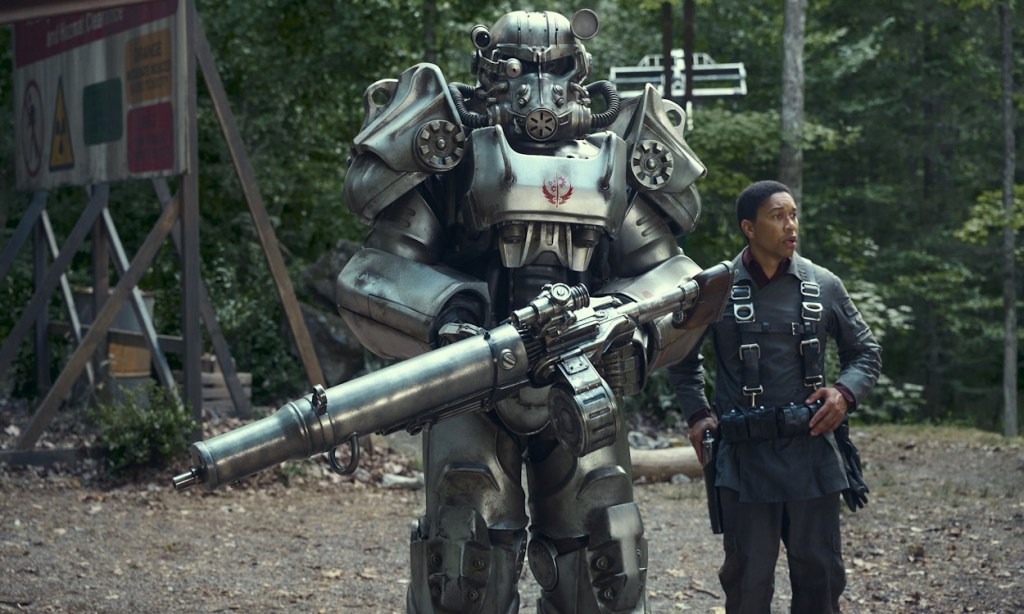
One of the standout factions in the Fallout universe is undoubtedly the Brotherhood of Steel. They may look cool, rocking high-tech gear, but don’t let their appearance fool you; they aren’t the classic heroes. This seemingly cult-like paramilitary group embraces a strict hierarchy reminiscent of Medieval Knights, where the lowest rank, Squires, assists Knights in battle. Maximus started as a Squire, but after a tragic loss, he donned his fallen comrade’s power armor and rose to knighthood in Fallout Season 2.
2. The New California Republic
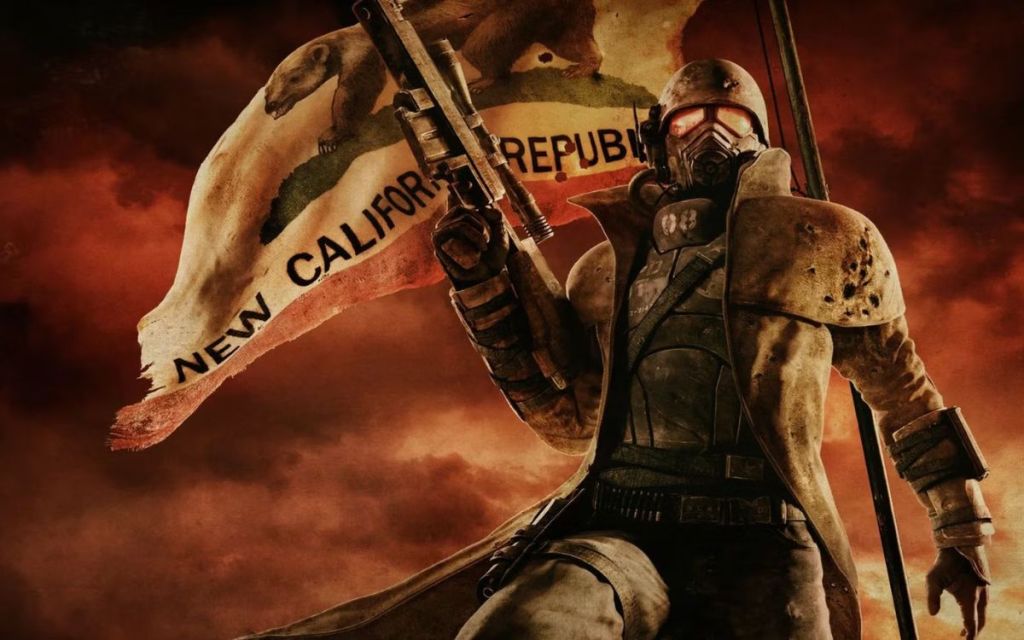
Established as one of Fallout’s oldest factions, the New California Republic (NCR) has been central to the story since 1997. Players could join this faction in Fallout: New Vegas, with Shady Sands as its capital, founded by former Vault 15 dwellers. The show expands on this lore, revealing that during the 2280s, Shady Sands suffered tragedy at the hands of Hank McLean, leading to a decline in NCR’s numbers following the death of Lee Moldaver during the conflict at Griffith Observatory.
3. The Enclave
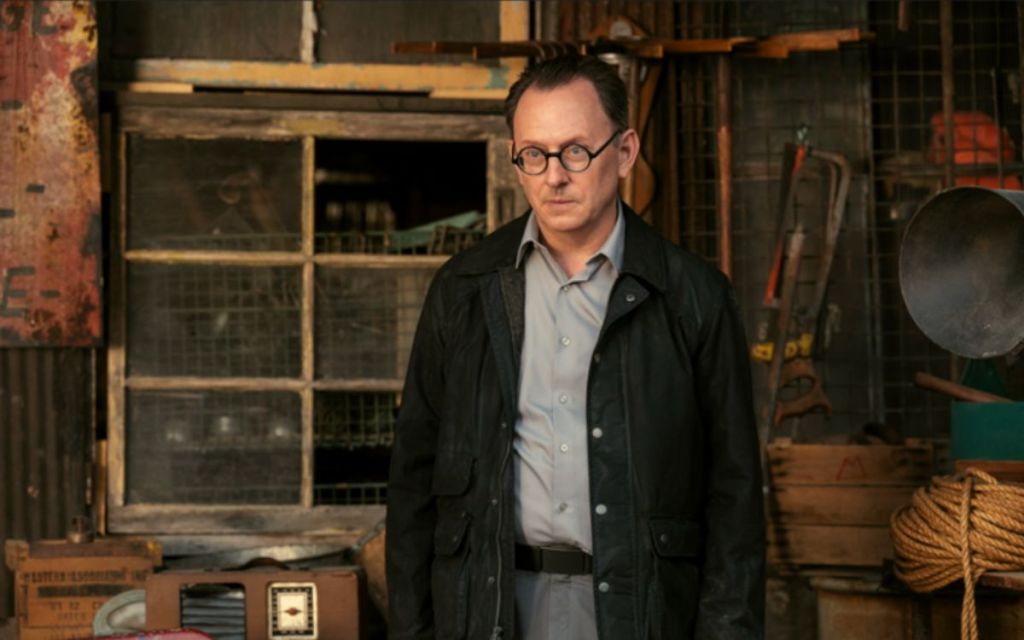
The Enclave represents the remnants of the U.S. government, making them a faction you definitely don’t want to cross. Known for their authoritarian rule and various war crimes, they’ve made their mark as villains in Fallout 2 and 3. In the series, we glimpse their dark side as they perform unethical experiments on both dogs and humans.
4. Vault-Dwellers

At the heart of many Fallout stories are the Vault Dwellers, often the protagonists who emerge from their underground homes for various reasons. The series focuses particularly on Vault 33, part of a network with Vaults 31 and 32. While they maintain a cooperative society, not all Vaults are friendly; Vault 4 was infamous for conducting harmful genetic experiments. Interestingly, Season 2 finally reveals the secrets of Vault 24, originally omitted from the game—what we discover inside is chilling.
5. Vault-Tec And Ally Corporations
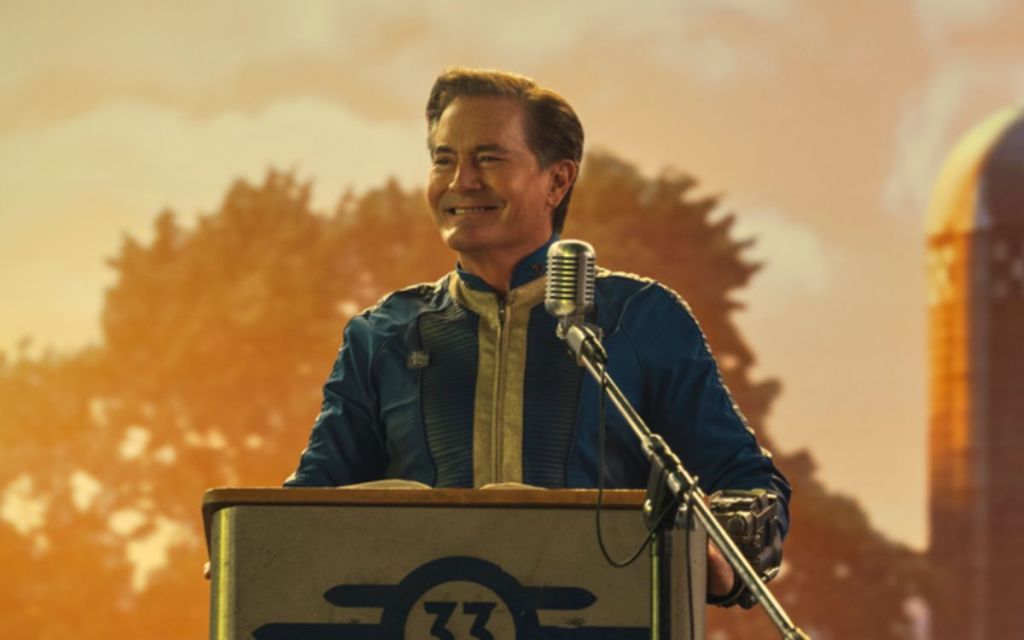
Vault-Tec is the corporation behind the creation of the vaults before the Great War, and, ultimately, they inadvertently initiated the nuclear apocalypse. Although no longer functioning as they once did, their legacy looms large in the Fallout universe. Their employees, still in cryo-sleep in Vault 31, await a day of reclamation to repopulate the world, showing just how thoroughly they prepared for survival.
6. Raiders
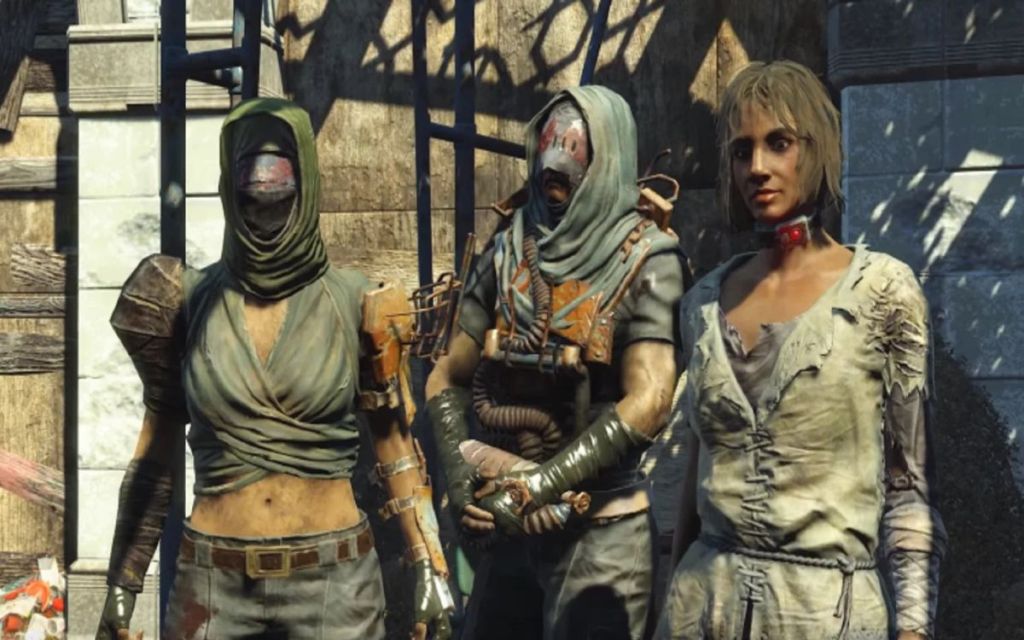
The Raiders, appearing early and often in the Fallout series, are a menacing presence. These violent criminals frequently wreak havoc across the wasteland, including a brutal attack on the innocents of Vault 33. Their impulsive, violent nature, sometimes crossing into cannibalism, makes them a recurring threat for survivors.
7. Caesar’s Legion
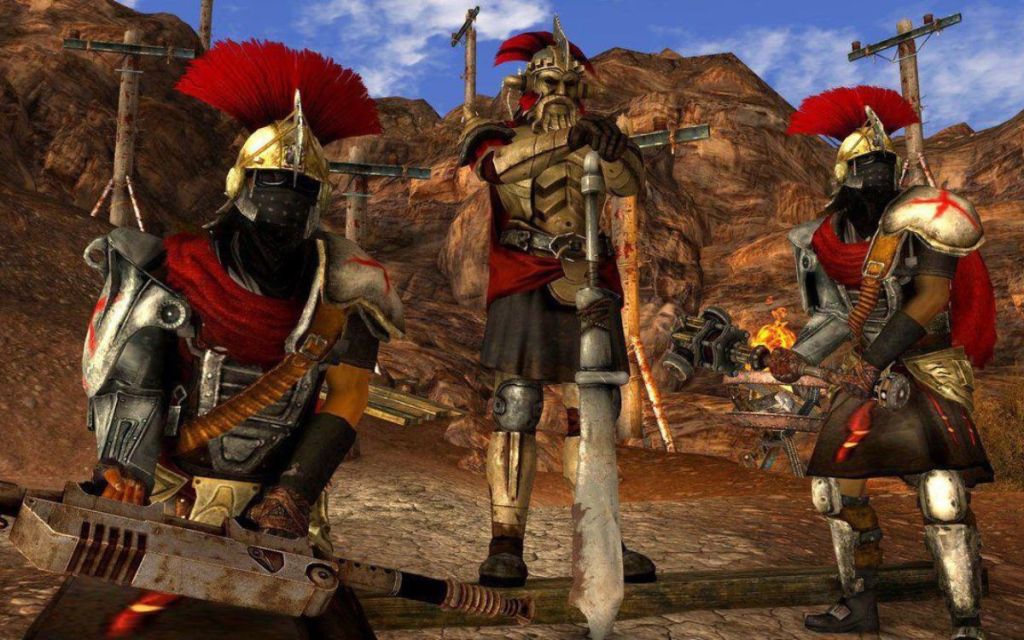
In Season 2, we’re introduced to Caesar’s Legion—a group that aims to establish order in a chaotic world, drawing inspiration from ancient Rome. Despite their bizarre practices and often comical shortcomings, they’re depicted as a powerful military force in the games. While they’re feared for their discipline and ruthlessness, their actions against raiders sometimes earn them grudging acceptance from the locals.
8. The Great Khans
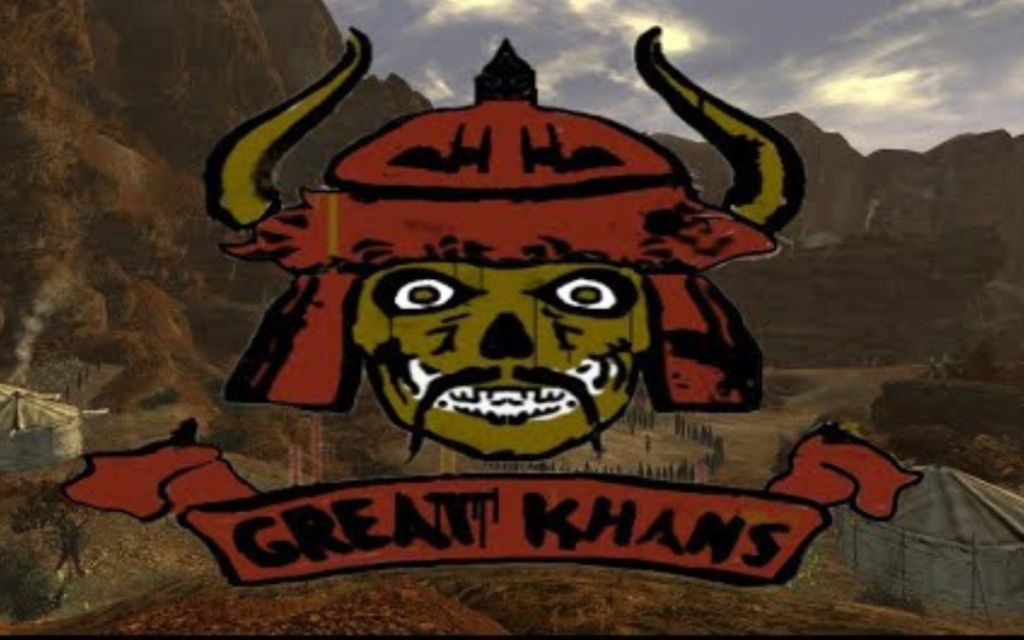
Also making an appearance are the Great Khans, descendants of one of the Fallout series’ original factions. Emerging from Vault 15, they have historical ties to Shady Sands, believing that raiding its citizens is their birthright. Despite numerous threats to their existence, the Khans have managed to persevere, showcasing their resilience throughout the series.
What are the main factions in the Fallout TV show?
The main factions featured include the Brotherhood of Steel, the New California Republic, the Enclave, Vault-Dwellers, and many more. Each faction has its unique characteristics and role in the storyline.
How does the Fallout TV show differ from the games in depicting factions?
The show expands upon faction lore by integrating new narratives and personal stories, offering a more emotional connection to the characters and their backgrounds than the games typically provide.
Are the factions in Fallout games represented the same in the TV show?
While many factions share similarities, the TV show often explores deeper, character-driven stories that take liberties with established lore, adding new dimensions to several factions.
What role does Vault-Tec play in the story of Fallout?
Vault-Tec serves as a significant antagonist in the Fallout series, representing the corrupt corporate interests that fueled the nuclear apocalypse and created the oppressive conditions of the wasteland.
Why are Raiders a recurring threat in the Fallout universe?
Raiders are consistently depicted as chaotic and violent, often clashing with other factions and posing a constant threat to survivors, making them a significant adversary in both the games and the show.
The Fallout universe is sprawling, filled with fascinating factions and intricate stories. Each group adds depth and texture to the narrative, and it’s certainly intriguing to see how they’re portrayed in the live-action adaptation. Which faction do you find the most compelling? Share your thoughts in the comments below!