After the release of Avatar: The Way of Water, director James Cameron took a moment to reflect on audience reactions and adjust the trajectory of his next installment, Avatar: Fire and Ash. He shared with io9, “Who are they interested in? What parts of it are they interested in? I even wrote some new scenes, and we went back, and we redid some stuff.”
Cameron’s attention to audience feedback is not only impressive; it’s crucial for filmmakers in today’s world. It ensures that narratives resonate deeper with viewers. Recently, in an interview with The Wrap, he revealed specific changes inspired by reactions to The Way of Water.
What Changes Did Cameron Make Following Audience Feedback?
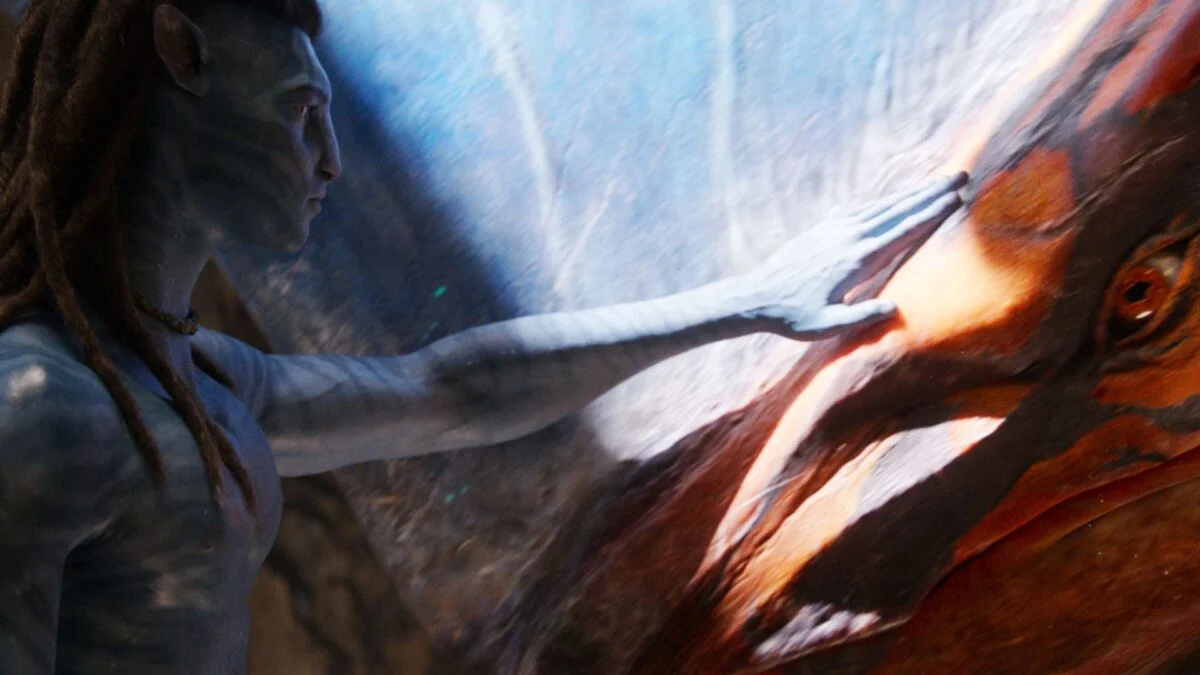
One of the most significant tweaks was the enhancement of Payakan, the space whale that captivated audiences. Cameron mentioned, “There was such a strong emotional response to Payakan as a character that I had to build up his part in movie three.” When a character resonates with viewers, it makes perfect sense to give them more depth in future films.
Revising Key Character Moments
Alongside expanding Payakan’s role, Cameron also revised a pivotal interaction involving Jake Sully and the water tribe, the Metkayina. Initially, Jake posed a question about the use of guns three times, receiving an affirmative answer to protect the Tulkun. However, post-release, he felt a shift in narrative was necessary. “I thought it was important to say, ‘You could be a pacifist, but at some point, there are things that are worth fighting for,’” he commented, showcasing how real-world events influenced his storytelling.
Impact of Real-World Events on the Narrative
The tragic Uvalde school shooting in 2022 significantly affected Cameron’s outlook. He stated, “I did not want to glorify or fetishize the assault weapon.” This change in perspective is evident in Jake’s characterization as a Marine, making it vital for the director to balance Jake’s military ethos with the values of the Na’vi.
Changing the Dynamics of Jake’s Reunion
Interestingly, these changes also shifted the timing of Jake’s reunion with Toruk, the dragon-like creature from the first film. Originally slated for a subsequent movie, Cameron moved it up in Fire and Ash to strengthen the Na’vi’s defense against human threats. “That was an adjustment on the fly,” Cameron revealed, highlighting the dynamic nature of filmmaking.
As audiences eagerly await more from Pandora, Avatar: Fire and Ash is now in theaters. Be sure to check back on Monday, December 22, for a full, spoiler-filled breakdown!
What inspired James Cameron to make changes to Avatar 3?
After observing audience reactions to The Way of Water, Cameron felt the need to refine certain character arcs and moments to enhance emotional connections and ensure thematic integrity.
How did real-world events influence Avatar: Fire and Ash?
Cameron was notably affected by the Uvalde school shooting, which led him to reconsider how he depicted violence and weaponry in the narrative, emphasizing the importance of not glorifying them.
Why did Payakan’s role expand in Avatar: Fire and Ash?
The emotional impact Payakan had on viewers spurred Cameron to elevate his character in the sequel, focusing on the connections he formed with both the story and the audience.
What adjustments were made regarding Jake Sully’s character?
Cameron adjusted Jake’s interactions with the Metkayina and moved the timeline of his reunion with Toruk to provide a stronger emphasis on unity and defense against human threats.
Where can I watch Avatar: Fire and Ash?
Avatar: Fire and Ash is currently in theaters. If you’re a fan of grand narratives and visual spectacles, this one’s worth a visit!
Want more news on the latest in film and TV? Explore what’s next for Marvel, Star Wars, and the DC Universe, or stay updated on the future of Doctor Who.