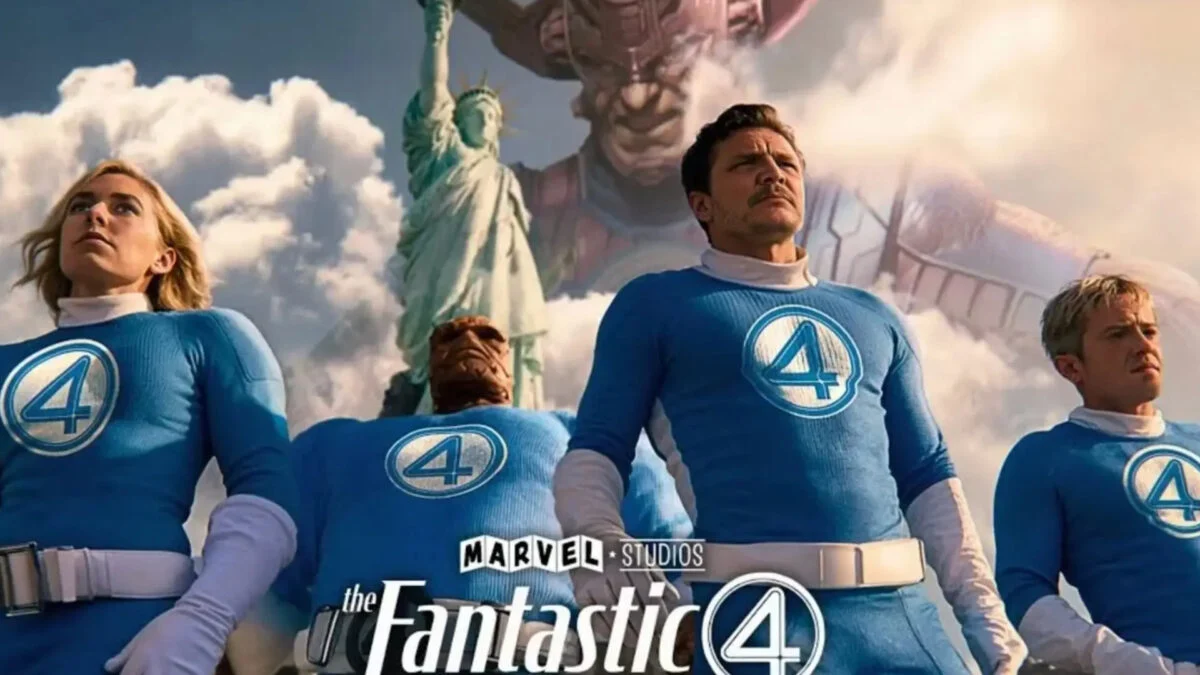
Have you ever tried searching for a movie trailer on YouTube only to stumble upon a fake one? It’s frustrating, isn’t it? Earlier this year, we discovered that YouTube was grappling with a surge of misleading, AI-generated trailers cluttering its platform. Thankfully, there’s good news on that front.
According to Deadline, YouTube has put an end to two of the most notorious channels behind this trend, Screen Culture and KH Studio. These channels had a knack for creating misleading trailers for movies like Fantastic Four: First Steps and Superman, which had drawn millions of unsuspecting viewers. With over 2 million subscribers collectively, these channels spurred a massive wave of confusion—now, if you try to visit them, you’ll find a message saying, “This page isn’t available. Sorry about that. Try searching for something else.”
This crackdown followed an internal review by YouTube after Deadline initially highlighted the issue. YouTube took decisive action, suspending both channels from their partner program and halting ad revenue on their videos. Apparently, these channels were letting big studios like Disney take a cut of their earnings, which runs counter to YouTube’s policies.
As if that wasn’t enough, Disney is also playing both sides in the world of generative AI. Recently, they sent a cease-and-desist letter to Google, claiming that the tech giant’s AI services violate several copyrights. This peculiar timing comes right after Disney announced a partnership with OpenAI, including a three-year deal worth $1 billion to bring over 200 characters to ChatGPT and the Sora video platform. So, while generative AI is cleaning up YouTube, looks like it might soon invade Disney+, the subscription many of us keep paying for.
What Are Fake AI Movie Trailers?
Fake AI movie trailers are fabricated content, often made without any legitimate tie to the actual films. Using generative AI, creators can design trailers that manipulate visuals and sound, leading viewers to believe they’re watching official previews. This not only misleads fans but also impacts genuine movie promotion.
How Do Fake AI Trailers Affect Viewers?
These misleading trailers can create a false sense of excitement around a film. Imagine being pumped for a fantastic-looking movie, only to find out it doesn’t even exist! This confusion can lead to disappointment and mistrust in the content available on platforms like YouTube. Our conversations around movies become more complex when we start questioning what’s real and what’s not.
What Actions Has YouTube Taken to Combat This Issue?
YouTube’s response to this issue highlights their commitment to content quality. By suspending deceptive channels like Screen Culture and KH Studio, they have made it clear that misinformation will not be tolerated. This proactive approach helps keep the platform user-friendly and reliable, ensuring that fans can find genuine trailers without sifting through a sea of fakes.
What Can Viewers Do to Avoid Fake Trailers?
To steer clear of fake trailers, viewers should look for official channels or verified uploads from studios. Checking the video’s description for cues about authenticity, such as a reputable source or links to the film’s website, can also help. Engaging with genuine fan communities can provide insights into upcoming releases, too!
Want more io9 news? Check out when to expect the latest Marvel, Star Wars, and Star Trek releases, what’s next for the DC Universe on film and TV, and everything you need to know about the future of Doctor Who.
With the recent victories against misleading content, it feels like we’re moving towards a cleaner YouTube experience. It’s a small step, but every bit helps! What are your thoughts on AI-generated content? Have you come across fake trailers that made you excited? Share your experiences in the comments below!