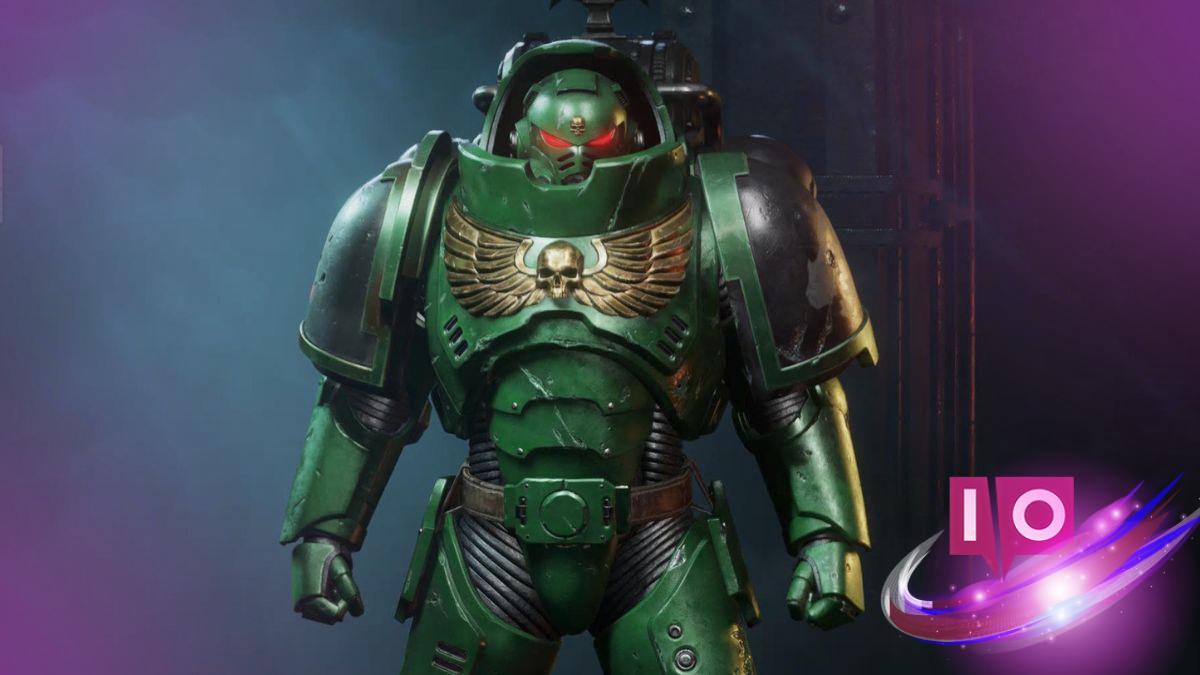
The adept’s servo-skull flickered, its lenses widening as the pronouncement echoed through the manufactorum. Even the most seasoned Tech-Priests paused their calibrations, cogitators momentarily silent. For the Omnissiah had spoken, not through static and binary, but through the firm decree of Games Workshop: AI was forbidden.
The Hammer Falls: Games Workshop Rejects Artificial Intelligence
It feels like every week brings another story of AI overreach, doesn’t it? Games Workshop, the stewards of Warhammer and Warhammer 40,000, is taking a firm stance against the tide, banning AI-generated content and designs. According to IGN, CEO Kevin Rountree stated the company is proceeding with caution, forbidding AI’s use in both content creation and design processes, as well as its unauthorized deployment outside Games Workshop, including competitions.
Rountree explained that the prevalence of pre-installed AI across devices and software prompted this measure. The aim? To safeguard the company’s data compliance, security, and governance.
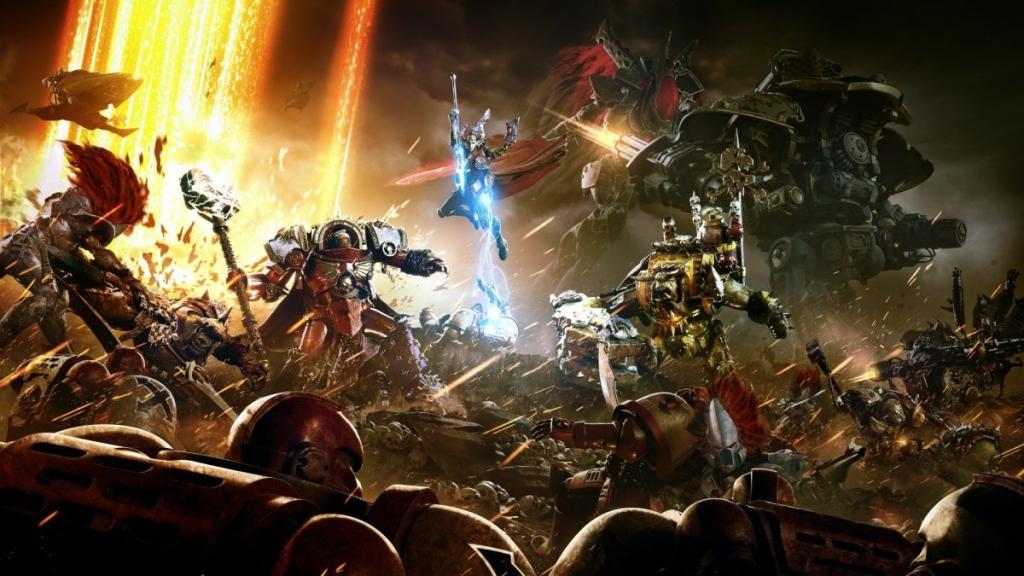
Games Workshop is doubling down on human talent, investing heavily in Warhammer Studio and hiring more artists, writers, concept designers, and sculptors. While some senior managers will continue to explore AI’s potential, none seem particularly enthusiastic about its current capabilities.
The usefulness of AI in streamlining certain tasks is clear, but can it truly replicate the artistry and passion infused by human creators? For now, Games Workshop seems to believe the answer is no.
What are the potential risks of using AI in creative industries?
We have all seen art lose value thanks to artificial intelligence. The commodification of art is accelerating, and while it may be tempting to view art as just a product, Games Workshop recognizes it as an inherently human act.
Rountree emphasized the company’s “respect” for its “human creators.” The current gold rush to replace human labor is short-sighted, but this decision is hopefully the beginning of a reversal.
The Machine vs. The Muse
Microsoft pushes AI with the fervor of a zealot, forcing it onto Windows machines regardless of user consent. Krafton, too, has embraced an “AI-first” approach, with questionable results, and its game InZOI is suffering from a noticeable lack of depth.
It’s a tough time for artists; their skills are being devalued, their livelihoods threatened. But Games Workshop’s move offers a glimmer of hope, a chance to push back against the relentless march of soulless automation. This decision is a lone wolf, but perhaps wolves travel in packs.
How do companies balance innovation with ethical considerations when adopting AI?
Ethical considerations can feel like restraints on a business, or anchors slowing down progress. The question becomes how to balance progress with the needs of people. If innovation devalues its user base and workforce, then there are no winners.
There must be a balance between efficiency and creativity; one without the other is a bleak prospect. Games Workshop sets an example here by slowing down the adoption of AI to avoid potentially harming its creators.
How can artists adapt to the increasing presence of AI in their fields?
Consider AI, the omnipresent entity, as a tool—not a usurper. As AI tools mature, artists may focus on the creative decisions, while the technology handles tedious implementation. It may still be a long time before the technology allows for such a collaboration, but it is an optimistic route to consider.
The future remains uncertain, a battlefield between the machine and the muse. Will other companies follow Games Workshop’s lead, or will the allure of efficiency prove too strong to resist?