The notification popped up on my screen: “Overwatch 2 Rebrands.” I blinked, thinking I’d misread it. Hadn’t this whole saga started with the promise of something…more? The name change feels like the final period at the end of a very long, very messy sentence.
As part of its 35th anniversary celebration, Blizzard Entertainment revealed what’s to come for Overwatch 2—or rather, just Overwatch.
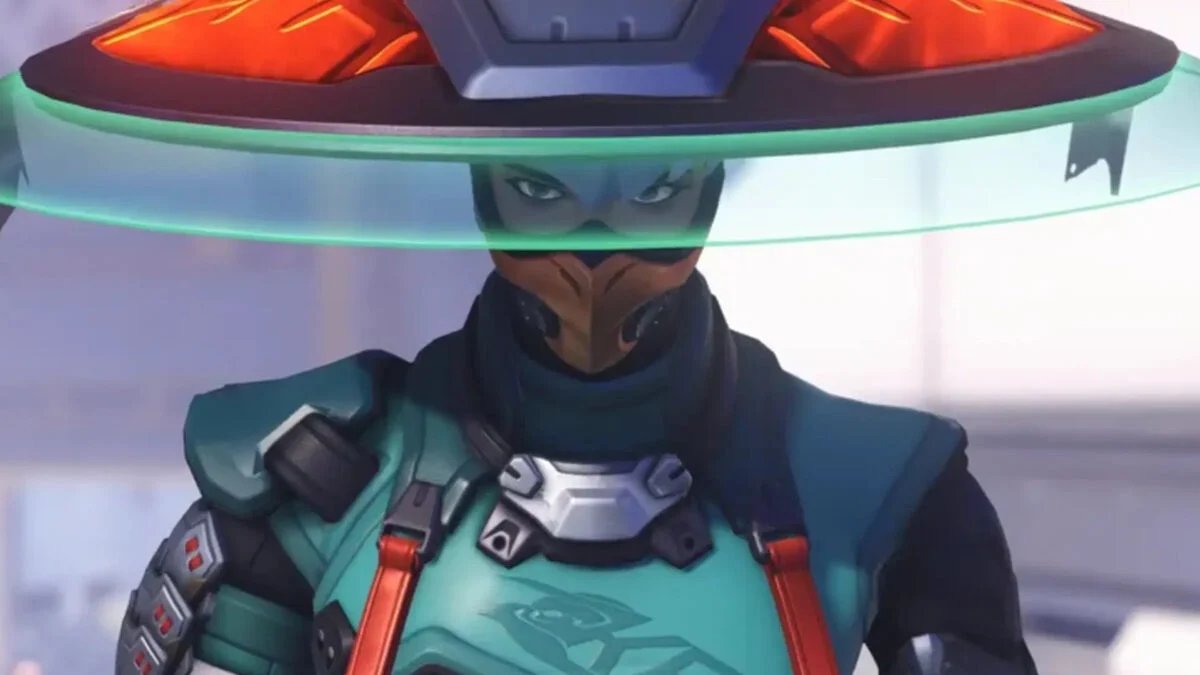
That’s right: the 2022 hero shooter has now been retitled to its 2016 predecessor. In-game events, comics, and animated shorts are part of the studio’s efforts to give more narrative momentum to its universe on a planned annual basis, further aided by the selection of new heroes that’ll launch throughout 2026 during the game’s “Rise of Talon” arc.
Game director Aaron Keller says the titling comes about because the studio realized the game “transcends any single number,” and it’ll just be called this now for all time. Sounds simple, doesn’t it?
In case you’ve forgotten or just didn’t know, the cycle of Overwatch and its sequel has been a weird one. On the day the second game launched, Blizzard phased out the first in its entirety. At the time, it was because the second would transfer over the game’s then-complete cast and in-game skins and currency, with its own additions in the form of skill trees for each hero and, most importantly, a story-based cooperative PvE mode. The latter mode would’ve addressed a big complaint in Overwatch 1, which was not doing much with the world that’d been set up beyond comics and the occasional cinematic. Along with the initial character designs, these were why fans fell in love with the first game, and they’d spent years wanting Blizzard to do right by its cast, which the PvE was set to do.
All of that sounds good, and it helped that Overwatch 2 got a trailer and reveal rollout indicating it’d grow to something bigger. But it was not to be, particularly on the PvE end: after the PvP version launched as its own free-to-play self, we’d learn that PvE would be added to the game later on. Those plans were then scrapped, then semi-added back in via in-game events with a narrative element that players would have to pay for, and only got one real shot at existing before the PvE team was eliminated.
It was a strange scaling back and reworking of the sequel’s more ambitious aims, and with each news of PvE or the “Talents” skill trees eventually added into the game, many voiced the same question: “Was Overwatch 2 really a sequel, and has its various troubles been worth wiping that first Overwatch from existence?”
Game development is a tricky, often frustrating endeavor for one reason or another that we’ve learned time and again by now. With Overwatch 2, plenty share the blame for its myriad issues, from an allegedly toxic workplace culture to a lack of solid direction and meddling from higher-ups at parent company Activision Blizzard. In a better world, the original Overwatch would still be around and spending the first decade of its life getting iterated upon with everything found in the sequel without anyone thinking about the strange circumstances that’ve manifested its existence. But the disease that is “Sequel Brain,” itself a strain of the equally deadly “Executive Brain,” has led us to this moment in time that hilariously undermines what was otherwise a solid reveal for a game many people have put in their heart for the past 10 years.
Ah, well. Welcome back, Overwatch—hopefully, you don’t need to get a new nametag come 2036.
Want more Movies & TV news? Check out when to expect the latest Marvel, Star Wars, and Star Trek releases, what’s next for the DC Universe on film and TV, and everything you need to know about the future of Doctor Who.
The Echo Chamber: When Sequels Change Their Tune
I remember the day Overwatch 2 launched. The servers buckled, promises were made (and broken), and the original game vanished. It felt less like a step forward and more like a…sidegrade? Then downgrade? It was as if Blizzard was standing at a crossroads, unsure which path to take. Now, with the rebranding, it’s like they’ve decided to just bulldoze the crossroads entirely.
Was Overwatch 2 really a sequel to begin with?
That’s the question many players, myself included, have been asking. The initial idea was grand: a shared PvP experience with a meaty PvE component that would explore the rich lore of the Overwatch universe. The reality, however, was a delayed and then severely curtailed PvE mode that left many feeling shortchanged. The rebrand acknowledges, perhaps inadvertently, that the “sequel” label was always a bit of a stretch.
The Scrapped Dream: What Happened to the PvE?
Think back to the initial trailers for Overwatch 2. Remember the promise of cooperative missions, skill trees, and a deeper dive into the stories of our favorite heroes? That vision fueled a lot of hype, and a lot of pre-orders. But the road to release was paved with delays and pivots. Ultimately, the PvE component was reduced to a shadow of its former self – a series of limited-time events that never quite captured the magic that was initially promised.
Why was the Overwatch 2 PvE mode scrapped?
Officially, Blizzard cited development challenges and a desire to focus on the core PvP experience. Unofficially, rumors of internal strife, a toxic work environment, and shifting priorities within Activision Blizzard likely played a significant role. Whatever the exact reasons, the cancellation of the PvE mode was a turning point for Overwatch 2, and a major disappointment for many fans.
Rebranding: A Rose by Any Other Name?
A name change doesn’t magically fix underlying problems. It’s a fresh coat of paint on a house that might need a new foundation. The core gameplay of Overwatch is still fun, the heroes are still compelling, and the world is still vibrant. But the rebrand raises a simple, unavoidable question: can Blizzard recapture the magic of the original, or is this just rearranging deck chairs on the Titanic?
What does the future hold for Overwatch?
Blizzard is promising more frequent content updates, new heroes, and a renewed focus on narrative. The “Rise of Talon” arc sounds intriguing, and the commitment to annual content drops is a welcome change. But the success of Overwatch will depend on whether Blizzard can deliver on these promises and rebuild trust with a player base that has felt burned in the past. Will they return to form, or will more compromises plague the future?
So, with the name change complete, does Overwatch finally have a clear direction, or is this just the beginning of another messy chapter?