
As the news of Discord’s new ID verification and face scan policy spread, thousands of users felt an unsettling chill. The idea of being treated as a “teen-by-default” unless they surrendered personal data drove many to seek alternatives. One alternative became a beacon of hope, but it didn’t take long for the servers to buckle under the weight of new arrivals.
Welcome to Stoat, the upstart platform designed to resemble Discord without the surveillance. But as the influx of users surged, the app couldn’t keep pace, leading to days of frustrating slowdowns. Users seeking freedom found themselves trapped in a queue of connectivity issues.
Why are users looking for alternatives to Discord?
Discord’s mandate for ID checks means that many are left balancing privacy against access. The glaring truth is, many users fear being categorized, their online experiences drastically restricted. The promise of anonymity is fading, sparking a rush to platforms like Stoat and Root.
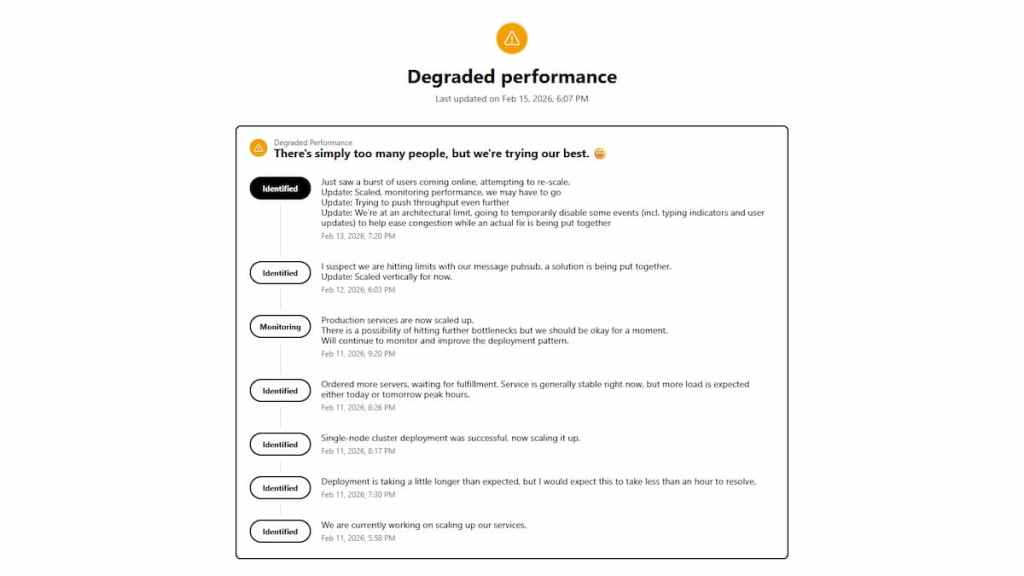
According to Stoat’s official server status, the message is clear: “There’s simply too many people.” This influx came as users abandoned ship, leaving the platform struggling to handle the volume. “We’re trying our best,” read their notification, echoing the collective sentiment of those disillusioned by Discord’s measures.
Days later, the interest in alternatives continues to rise. There’s a feeling that Stoat, along with other fledgling platforms, will face connectivity hurdles in the weeks to come. Discord’s colossal user base means even a small fraction abandoning it can overwhelm start-up servers.
What does Discord’s new policy entail?
For those unaware, Discord’s policy shift entails mandatory ID verification or face scans, ushering in a strict “teen-by-default” policy. Users unwilling to provide their personal information face significant limitations, trapping them in a restrictive environment.
This sweeping strategy will impact every account globally, with little in the way of negotiation. The repercussions are immense and have pushed countless users toward platforms like Stoat and Root, desperate for a secure haven.
Will alternatives like Stoat stand the test of time?
With the cracks starting to show under pressure, many are left wondering: How long can Stoat sustain its momentum as a refuge? If the rush continues, will this fledgling platform crumble under its newfound popularity?