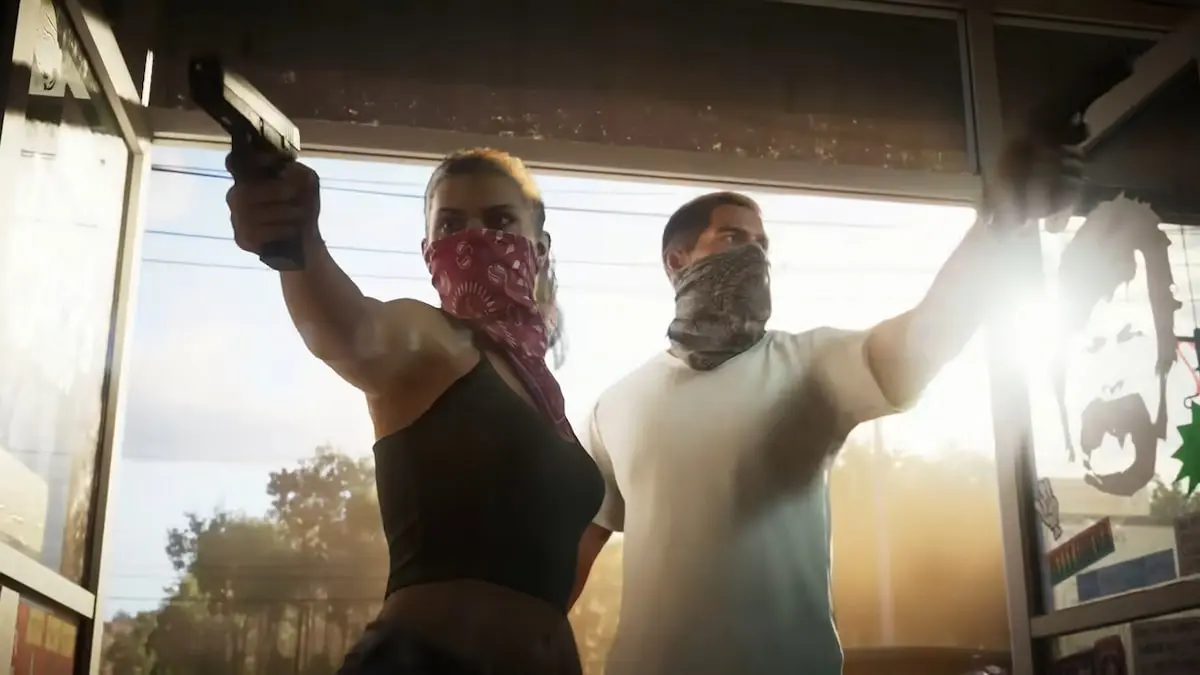
It was the holiday when every kid on my block argued over which open-world game was more dangerous to your homework. I sat in the back of a dorm common room and watched a neighborhood of digital crime scenes bloom on a busted CRT—then saw its challengers stumble. That moment taught me how ambition and ambition’s bad timing can look almost identical.
I’ve covered game launches, PR disasters, and the quiet collapse of big bets. You know the scene: one franchise towers over an era, everyone else rushes to imitate, and a handful try to snatch the crown. Here are the ones that tried—and spectacularly failed in ways worth remembering.
What games tried to beat GTA?
You can judge a rival by where it aims: some went for realism, some for combat, some for pure spectacle. I’ll walk you through picks that mattered, what they promised you, and where those promises fractured.
Driv3r
You can still find faded car-box art from the original Driver era in retro bins; that catalog memory made Driv3r feel like a must-see. I watched it arrive with a loud PR drumbeat—and then the sound began to wobble.
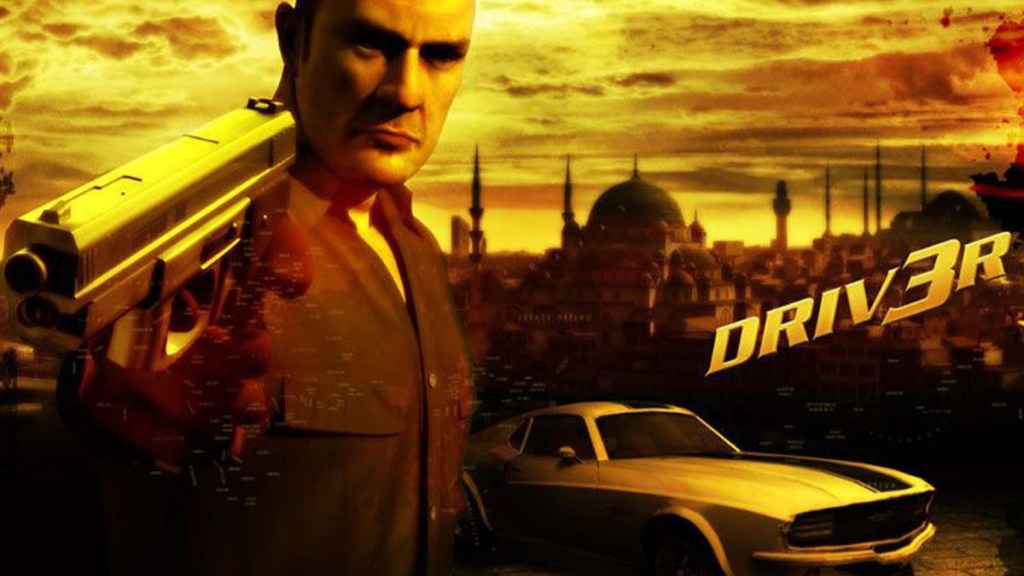
Driv3r wanted to be the 3D driving answer to the new city-open-world trend. What it delivered instead was instability: glitches, broken AI, and a release pushed around the window set by Rockstar’s GTA rollouts. You might have heard whispers of PR manipulation and score-inflation—those whispers hardened into the infamous scandal people call “Driv3rgate,” a moment when marketing smoke and editorial flame met badly.
I’ll be blunt: some publishers in that era treated relationships with outlets like a currency. You read the headlines, I read the threads; you felt cheated, I felt furious on your behalf. The game’s technical mess and the story around its reception turned Driv3r into a cautionary headline rather than a contender.
Why did Driv3r fail?
Because it tried to sprint before the engine was built: rushed timelines, patchwork releases, and PR moves that eroded trust faster than any patch could fix bugs. You don’t win long-term readers or players with smoke and mirrors.
JAK 2
I remember the first time Jak and Daxter felt like a playground rather than a linear level; that shift made the sequel tempting to reinvent. Naughty Dog saw the open-world moment and retooled their heroes toward a grittier, armed playground.
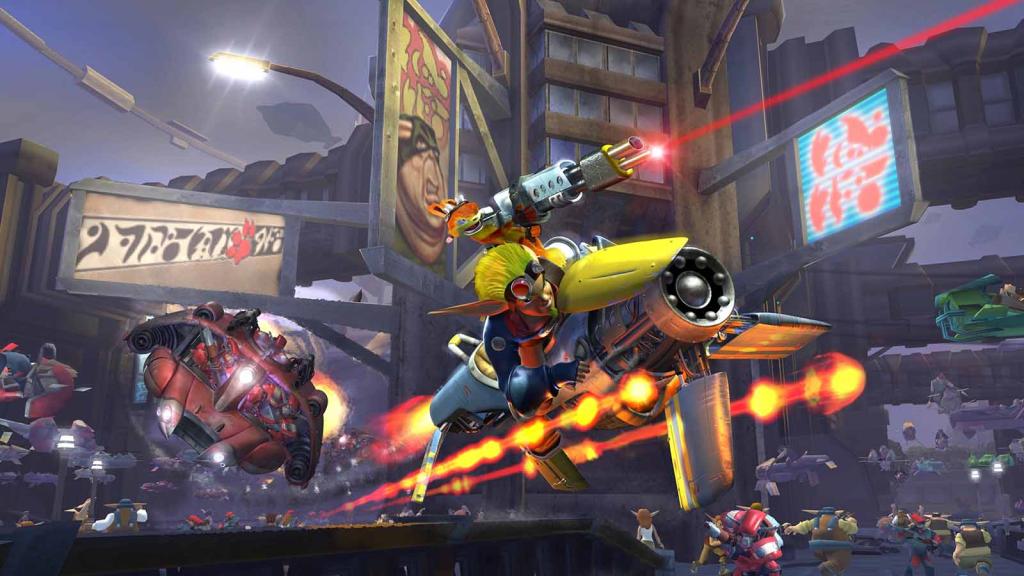
Jak 2 is an honest pivot: platformer DNA grafted to a more violent, vehicle-heavy city. It worked—technically and artistically—but it changed the audience. If you loved the original’s lighter tone, this darker Jak felt like someone who grew up overnight. That shift meant it could never fully inherit GTA’s crowd, even while borrowing the sandbox design.
Mafia
Park any classic car at a vintage show and people will circle it—that’s why Mafia’s era choice mattered so much. Setting a sandbox in the 1930s is a bold call; the atmosphere is its selling point.
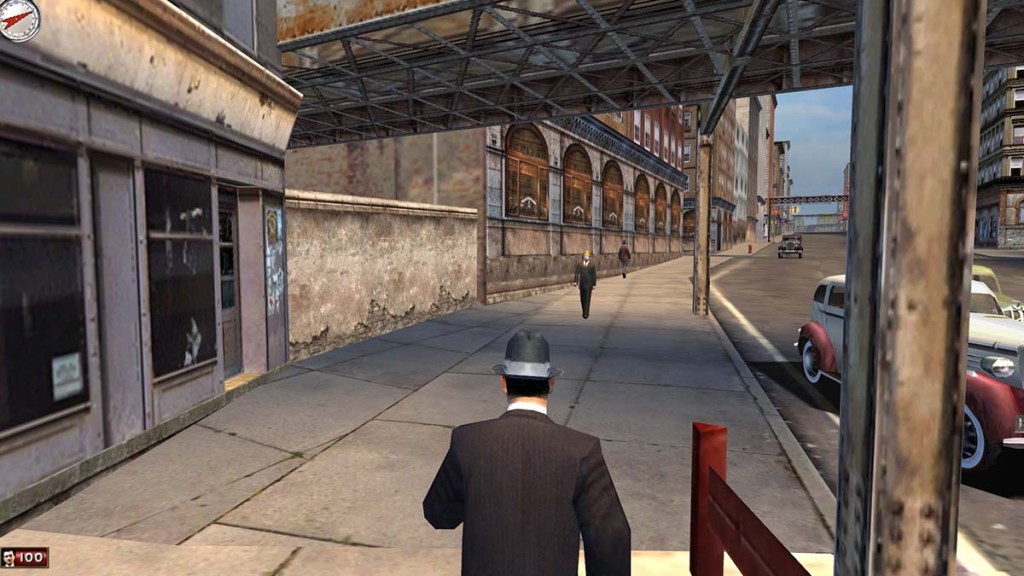
Mafia traded neon nightclubs for smoky speakeasies—beautiful, disciplined, and not always fun for high-speed chases. The cars look and feel correct, and that fidelity is the point. Trouble is, fidelity sometimes kills momentum; slow, historically accurate vehicles rarely satisfy a player who craves the frantic escape vectors GTA provides.
There’s a mission in Mafia that’s become infamous for being nearly unplayable—an in-universe race that, because of handling and camera choices, becomes a test of patience. The game is worth your time if you want a story-driven period piece; it simply wasn’t built to topple a franchise designed around chaotic mobility.
True Crime: Streets of LA
Walk into any early-2000s rental store and you’ll find True Crime shelved like a promise: celebrity faces, martial arts moves, and cinematic ambition. Its marketing told you it would be the cop-side counter to GTA’s criminal freedom.
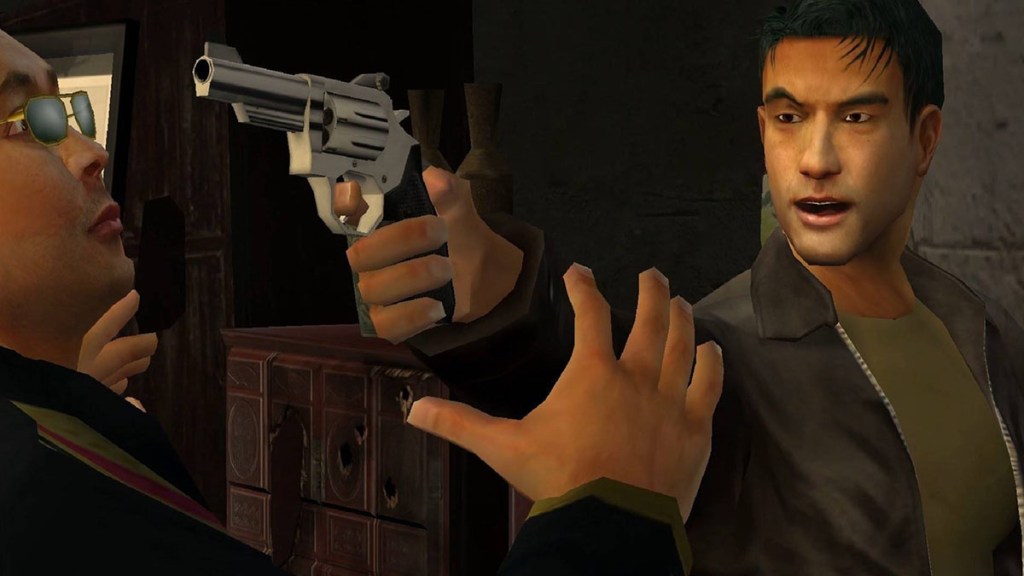
True Crime had smart ideas: more cinematic combat, hand-to-hand systems, a roster of faces from Hollywood. It also shipped with a list of rough edges—camera problems, clipping, and inconsistent AI—that made the experience feel unfinished. A sequel doubled down on the rough edges, and the genre found its better incarnation later in titles like Sleeping Dogs that refined the martial-arts-meets-open-world formula.
The Getaway
Stand on the Millennium Bridge and you’ll feel London’s gray mood—that authenticity is The Getaway’s strength. Team Soho recreated London streets with obsessive detail.
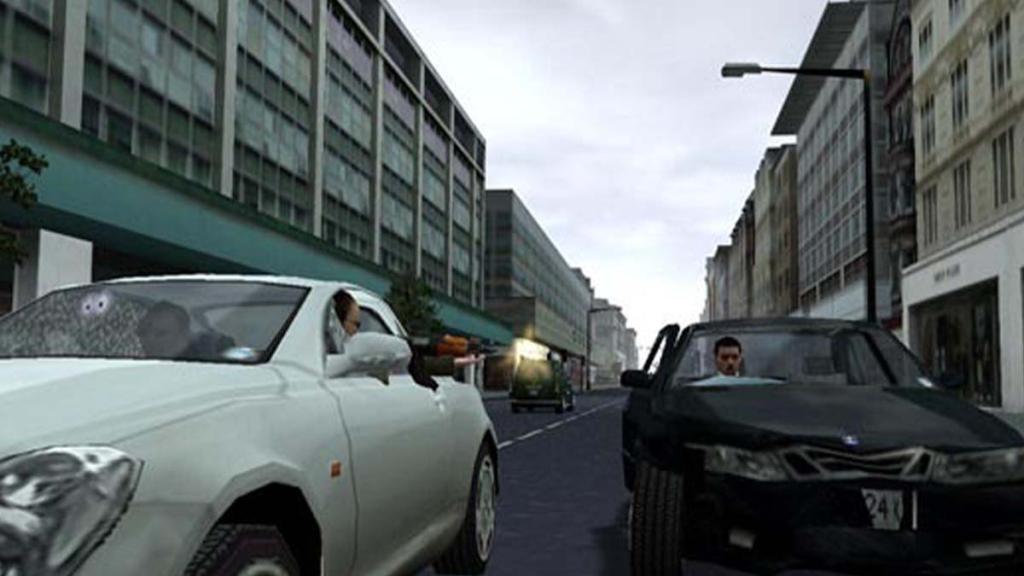
The Getaway is gorgeously serious, and sometimes seriousness is a slow weight on fun. Its HUD is minimal, its pacing deliberate, and the mood often gray—choices that rewarded immersion but reduced the manic, radio-fueled joy GTA was selling. The result felt like a museum diorama: impressive to study, less urgent to play.
Still, The Getaway showed big-budget ambition in Europe could match Rockstar’s scope. It’s easy to respect a title that builds a whole city out of love; it’s harder to make that city feel like the stage for constant player-driven chaos.
Is there a game that beat GTA?
If you mean “beat” as in unseated Rockstar commercially or culturally? Not really—Rockstar’s formula and timing were exceptional. If you mean “beat” as in offered a different kind of excellence, several of the games above succeeded on parts of the job: atmosphere, combat, or narrative. You and I can argue about which of those matters more—but the takeaway is clear: copying GTA’s silhouette rarely produces the same lightning.
These failures teach a blunt lesson: ambition without a matched design and the right release window curdles. You want to compete with a cultural titan? Build a genuinely different promise and keep your technical house in order—PR smoke is no substitute for a playable city.
Rockstar, Atari, Naughty Dog, Team Soho—these names tell the story of the era, and platforms like IGN, GameSpot, and Metacritic recorded the verdicts. I keep returning to these titles because their ambition still reads like an invitation: what if timelines, tech, or temperament had bent another way?
Which of these near-misses do you think deserved a second chance—and who should try to learn from them next?