
The Highguard site is gone — Highguard Website Removed Amid Claims Tencent Secretly Backed the “Indie” Shooter
It was 9 a.m. when I tried the Highguard homepage and was met with a cold “Site Unavailable.” You felt the same jolt: a launch that promised momentum reduced to a blank tab. I won’t pretend that quiet isn’t its own kind of evidence.
I’ve followed launch cycles, studio PR and investor whispers long enough to tell you what matters: signals, timing, and the stories everyone tells when the facts are thin. You want clarity; I want to give it to you straight, and to point out the pieces that don’t add up.
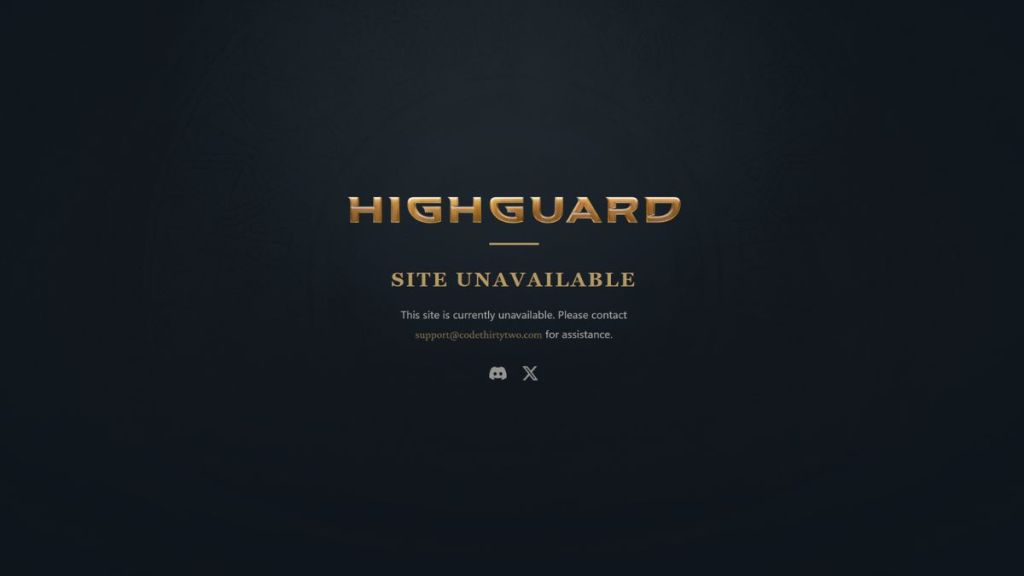
The Highguard homepage now returns “Site Unavailable.” What that empty page is saying
That error page is a public cue. When a studio takes down its storefront and support hub, it rarely reads as a routine update — you and I both know what a sudden blackout can mean for a live-service title. I’ve seen this before: launches that sputter, community trust that erodes, and a PR cycle that pivots from growth to damage control.
What to watch next: server rollbacks, community managers going silent, and the timing of any official statement. Those are the moves that reveal whether a blackout is temporary maintenance or the start of dismantling a live service.
The studio announced layoffs and kept only a skeleton crew. Why staff cuts matter
Wildlight posted layoffs and reduced its workforce to what it called a small team. That’s not neutral news — for a live-service shooter built on continuous updates, fewer developers mean fewer fixes, slower patches, and an eroding player experience. I’ve tracked games that hold on for months after layoffs; most end up as small communities that play around a sunset schedule.
If you’re following Highguard’s Discord or threads on X (Twitter), you’ll notice the mood shifted when staff reductions were confirmed. Players stopped expecting big seasonal content and started asking one practical question: is it still worth logging in?
Why did Highguard’s website go offline?
Because a site outage is rarely just about DNS. It can follow a deliberate decision to stop selling or to limit new registrations, which fits the pattern here: poor retention, layoffs, and now a public silence. You should treat that outage as a concrete signal — not proof, but a strong signal — that the project is under severe pressure.
A Game File report named Tencent as Wildlight’s undisclosed backer. The new allegation and what it changes
A recent article by Game File claimed Tencent was the lead financier for Wildlight — a detail neither company had made public. That matters more than a headline: studios marketed as developer-led and independent often trade on trust and authenticity. If a major Chinese tech investor was behind the scenes, the story shifts from indie passion to corporate strategy.
That funding would also explain gameplay choices many players flagged: persistent live-service hooks, monetization patterns, and alignment with systems familiar to Tencent-backed titles. I don’t say that as accusation, but as pattern recognition — these moves fit an investor-first playbook.
Was Tencent funding Highguard secretly?
The reporting says yes, but what you need is documentation: filings, contracts, or direct confirmation. Right now you have a credible report plus the blackout and layoffs; put together, they form a stronger narrative than any single element alone. Ask for receipts, and watch official statements closely for language about investment, publishing partnerships, or licensing.
Players mocked core gameplay, leaving engagement thin. A snapshot of player reaction
From forums to Steam reviews, players lampooned Highguard’s maps and 3v3 loop — and community buzz matters in this genre. When players mock core mechanics, retention collapses faster than a marketing banner. I watched the launch chat pivot from hype to skepticism in days.
That skepticism combined with the new funding claim creates a cultural mismatch: fans expecting a developer-driven experiment felt sold a different product. It’s a trust fracture that’s hard to patch with a few balance changes.
Is Highguard still playable?
Servers and storefronts can be decoupled: a game can remain playable while its marketing site is down, or it can be shuttered entirely. Right now, the safest course is to check Steam, Epic Games Store, and official social channels for server status. If you care about your progress or purchases, capture evidence — screenshots of store pages, receipts — because those are the things that matter if refunds or legal questions arise.
The indie label and the trust issue. How messaging failed players
Wildlight launched with an indie narrative — developer-led studio, passion project — and many players bought into that identity. When that image collided with allegations of a major financial backer, the reaction was swift and visceral. Trust, once broken in this space, tends to compound rather than repair itself.
Think of the messaging gap as a house of cards: remove one public-facing truth, and the rest start wobbling. You don’t need a complex PR manual to predict the fallout — you need consistent honesty.
The wider pattern: Concord, live-service fatigue, and what this means for publishers
Concord and other live-service flops teach the same lesson: player patience is short when content and honesty are missing. Publishers are learning that heavy monetization plus weak gameplay equals rapid attrition. The industry is increasingly unforgiving of mismatch between promise and product.
The Highguard case will be cited in future postmortems — if the title fades, it will join a growing list of cautionary tales about packaging and funding claims not matching player expectations. For people watching the business side, this is a reminder that investor identity matters almost as much as studio craft.
I’ve given you the moments that matter: the outage, the layoffs, the funding claim, and the community reaction. You can put these together and draw a pattern, or wait for more facts. Either way, this is no ordinary PR pause; it’s a sequence of signals you should read for what they are.
Where do you stand — does this feel like a cover-up, a business failure, or a misread market? Tell me what you think, and why?