
I remember the hush when a Bethesda logo filled the screen; you could feel every seat lean forward. I watched Todd Howard say the studio will return to its “classic style” and my chest tightened — that promise brings hope and a warning. If Bethesda means business, something has to give.
I’ll be blunt: I’ve followed these games long enough to know how seduction turns into slog. You and I want a world that rewards smart choices, not one that buries us in repetitive chores. Todd Howard’s comment is a hinge moment — it can swing the series back toward carefully written quests, or it can swing the door wide for more of the same.
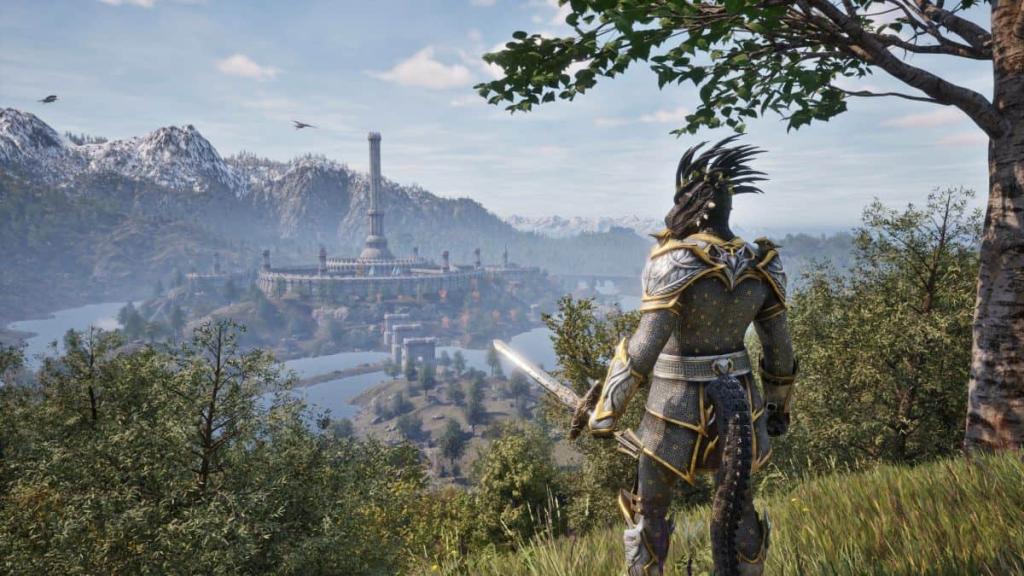
At E3 2018 Bethesda revealed The Elder Scrolls 6 and the internet quietly flipped
That reveal froze a lot of conversations — and then the studio stepped away from the series. Over the last seven years Bethesda’s attention went to Fallout, Starfield, and maintenance for older titles while The Elder Scrolls sat in the background. You can trace why: companies pivot to what pays bills and what builds new tech, especially after Microsoft added Bethesda Game Studios to its family.
So when Howard says “classic style,” he’s promising two things at once: a return to the design DNA that made Oblivion and Skyrim memorable, and a new coat of technological paint via the Creation Engine (a rebuilt version, he mentioned). That’s sensible — but markets and player habits have shifted. Steam, Xbox, and modern live-service expectations changed how studios build worlds, and Bethesda’s internal rhythm absorbed those pressures.
When is The Elder Scrolls 6 coming out?
No release date exists yet. Bethesda announced the game in 2018 and has since focused on other projects; public hints suggest the studio is methodical, not hasty. If you’re chasing a calendar date, the only safe answer is patience: Bethesda will speak when it’s ready, and followers on YouTube, IGN, and GameSpot will amplify it the moment they do.
During a recent YouTube interview Todd Howard said the studio will return to its “classic style”
I watched the interview and felt both relief and skepticism. “Classic style” signals a pull back toward what made earlier Elder Scrolls games feel like living systems — branching quests, stat depth, and role-driven progression.
That ambition matters because the franchise has been a dimming lighthouse for players who loved complex builds and character-driven narratives. If the Creation Engine update is treated as more than a graphics rework — if it retools AI, quest scripting, and the systems that respect player choice — you could get a true sequel rather than a glossy echo.
Will Elder Scrolls 6 use the Creation Engine?
Yes: Howard confirmed a new version of the Creation Engine will power the game. That’s good news when it means better AI, fewer scripting hacks, and fewer bugs. But an engine alone doesn’t fix design decisions — those come from the writers, quest directors, and playtest cycles.
On my last replay of Skyrim I logged into the same old quest hub and kept finding fetch tasks
Skyrim streamlined everything to be more approachable: fewer stats, a pared-down class system, and an emphasis on accessibility. That style widened the audience — and it also left the game feeling light on role depth and heavy on busywork.
Skyrim’s quests often read like a Swiss cheese of plot holes: holes where character motivations and long-term narrative logic should be. Faction chains contradicted choices, side missions interrupted tone, and countless “go here and fetch that” chores diluted the feeling that your choices mattered. If The Elder Scrolls 6 is going to earn the “classic” label, those structural sins have to be the first items on the list to fix.
At industry roundtables I hear the same two demands from players and creators
Players want stories that respect their time, and designers want systems that let those stories breathe. That means better NPC schedules, consequences that follow through, and quest design that reacts to your build and role — not generic text branches that pretend to be choice.
Practical tools exist: improved AI frameworks, richer dialogue tools, and modern testing pipelines used by studios across the industry. Bethesda can borrow approaches from contemporary studios on Steam and from systems Microsoft has funded elsewhere. But borrowing tools without changing design culture is how you end up with prettier fetch quests.
Will Bethesda fix Skyrim’s endless fetch quests and shallow stories?
Bethesda has the chance to fix them — but it’s not automatic. Saying “classic style” is only the first step. What matters next are hiring decisions, the role of narrative directors, and how much authority quest writers have in late-stage playtests. If those pieces shift, you’ll see meaningful changes; if not, the same problems will return under a shinier coat.
I’m rooting for stories that reward curiosity and clever choices, for factions that feel coherent, and for quests that remember the character you built. You’ve waited years already — how much longer will you give Bethesda before you demand fewer chores and richer consequences?