
Imagine standing on a deserted island, the haunting echo of crashing waves surrounding you. You’ve got nothing but the tattered remnants of your shipwreck and dreams of riches. This is where Windrose begins—a place that has captivated over one million players through wish lists, even without a release date. As I explored its immersive demo, I was struck by what makes this game so compelling.
Windrose made its debut with a demo on February 17, and since then, it has drawn a swarm of players eager to dive into its enticing survival crafting experience set in the Golden Age of Piracy, during the early 18th century. At its heart, Windrose echoes the core of Valheim, so closely that one might mistake them for sibling creations.
In this world, you find yourself stranded in unfamiliar territory, crafting and building to stay alive before setting sail in search of fortune. It’s a straightforward cycle, one perfected by Valheim. Yet, what elevates Windrose is its vibrant backdrop, in stark contrast to the celestial Nordic landscapes of Valheim, emphasizing the rich lore of the West Indies.
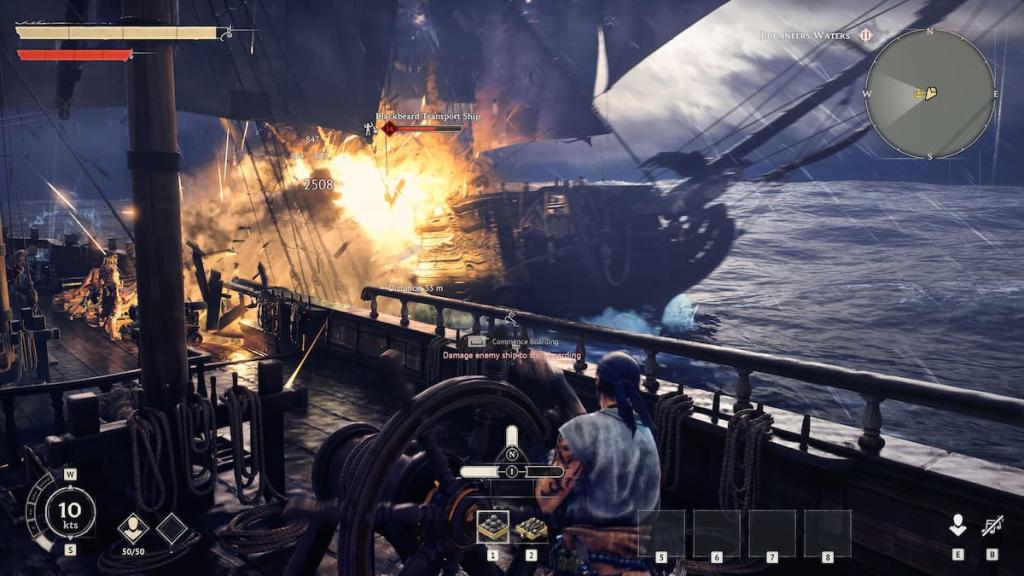
The journey of a desolate captain rebuilding from scratch resonates more profoundly than any Viking saga of the afterlife. Therein lies Windrose‘s brilliance; it sharpens the combat and gathering mechanics, leveraging Unreal Engine’s prowess. The visuals are stunning, paired with nuanced movement and fluid combat, effectively erasing any trepidation I had about its technical underpinnings.
Instead of yielding to the temptation of lifeless photorealism, the developers opted for a distinctive artistic direction that truly pays off.
With over one million wishlists in just five days since the demo launch, it’s clear we might be witnessing another indie success story that shakes the very foundations of AAA giants. In particular, I can only imagine the unease brewing in Ubisoft’s boardroom, considering the fiasco surrounding Skull and Bones.
This game aspired to fulfill a similar vision as Windrose, yet consistently stumbled, despite drawing inspiration from Assassin’s Creed: Black Flag, a franchise renowned for its piratical escapades.
An indie contender in the Caribbean could very well overshadow existing pirate games and reign supreme within the survival crafting genre—which, without a doubt, is thriving, as evidenced by the popularity of titles like Palworld when it first surfaced.
Will Windrose succeed in turning the tide of pirate games, forcing longstanding franchises to rethink their strategies?