
I sat in a half-empty screening room as the credits rolled on Kraven. The next morning studio emails had fewer exclamation points. Then Tom Rothman went on Matthew Belloni’s podcast and said words that made people in the room sit up.
A stack of advance posters still in their shrink-wrap — Sony’s Spider-Man Universe Will be Rebooted, Confirms Studio Chief
I’ve covered studios long enough to tell the difference between spin and strategy, and this announcement felt like strategy. You heard it on The Town with Matthew Belloni: Tom Rothman, Sony’s studio chief, confirmed the Extended Spider-Man Universe is not being abandoned — it’s being reset with new creative leads and fresh casting.
You should read that sentence twice. When a studio chief uses the word “reboot” in public, it means more than a PR pivot; it’s a behind-the-scenes rewrite of which characters live, which directions get funded, and which franchises get second chances.
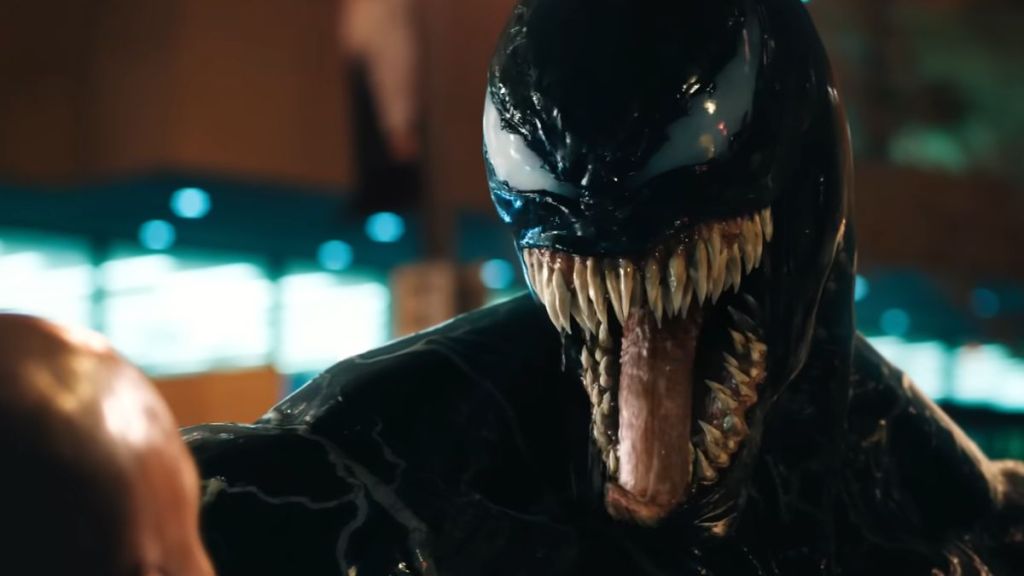
A coffee stain on the production schedule — Why Sony is choosing a reboot over continuity
Look at the recent slate: Morbius, Madame Web, Venom: The Last Dance and Kraven the Hunter failed to capture the box-office momentum Sony wanted. I don’t need to tell you the titles; you remember the conversations after those premieres. The effect is simple — the franchise felt like a once-bright lamp flickering on a long extension cord.
Rothman told Belloni that scarcity has value, and that audiences have to miss these stories for them to matter again. He used a joking personal aside about getting dates to land the point: create absence, make demand. That was his language for stepping back and rebuilding.
“To your question about Spider-Man: Scarcity has value. You’ve got to make the audience miss you. It’s the old thing. I always had trouble getting girls to go out with me twice, but until fortunately, my wife took pity on me, but absence makes the heart grow fonder.”
Will Sony reboot the Spider‑Man Universe?
Yes — according to Tom Rothman on The Town, the plan is to reboot parts of the Extended Spider‑Man Universe with new talent and creative teams. I hear this as a deliberate move to stop repeating the same formulas and to give franchises a fresh start.
What does a reboot mean for characters like Venom or Kraven?
Reboot doesn’t necessarily mean erasing everything. It means rethinking tone, casting, and where each character sits relative to the larger Spider‑mythos (including Marvel Studios’ Spider-Man collaborations). Think of it as Sony reshuffling the deck like a magician scattering cards — some faces will reappear, others won’t.
How will this affect Sony’s relationship with Marvel Studios and Tom Holland?
Rothman’s comments focused on Sony’s own extended universe, not the Tom Holland Spider‑Man films that remain tied to Marvel Studios. You should expect Sony to keep options open: a separate playground for Sony’s characters while continuing selective collaboration with Marvel when it suits both sides.
I’m not pretending this is an easy fix. A reboot costs time, tests fan tolerance, and asks writers and directors to be smarter about stakes and payoff. But it also gives Sony an opportunity to correct course after several misfires and to align character choices with audience appetite, rather than franchise inertia.
If you’re watching as a fan, producer, or investor, the smart play is to watch who Sony hires and which writers get room to rewrite the rules. The names attached next will tell us whether this is a reset or just a repackaging of old ideas.
Tom Rothman put it bluntly on Belloni’s show: scarcity has value. Now ask yourself — will Sony use that lesson to make stories you want to see again, or will the reboot turn into another round of familiar misses?