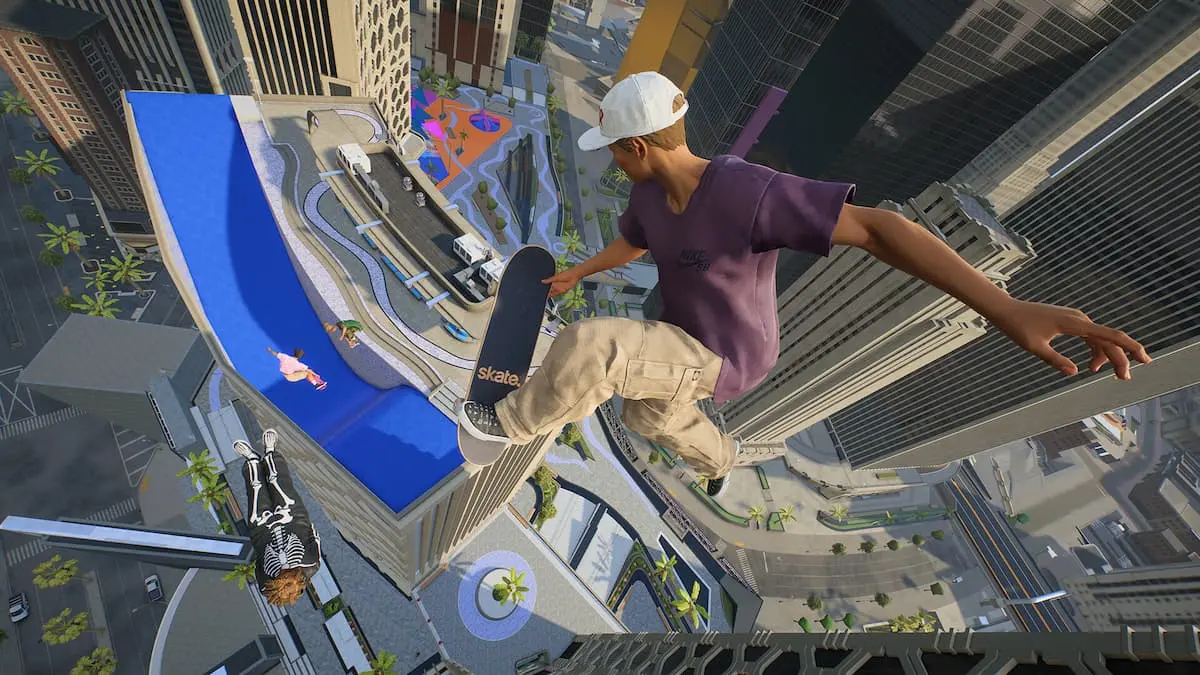
I logged into Skate late and expected the usual hum. The lobby was an emptied stadium. You could feel the instant a comeback stopped coming.
I’m writing from the trenches where live games live and die, and you should know what’s happening: Full Circle Studios — EA’s team behind the free-to-play revival — has announced a reshaping of the studio that will impact staff. The company’s message used soft language, but the result reads like a major downsizing as concurrent players have fallen to the low thousands from a launch peak in the six figures.
What happened at Full Circle?
On the day Full Circle posted its update, server stats told the story: roughly 2,400 concurrents on average versus about 134,000 at launch.
I read the studio note closely. Full Circle says it is “reshaping” the team to focus on fewer priorities and support Skate for the long run, and it admits that “some roles will be impacted.” That phrasing is the industry euphemism for layoffs. They praised affected colleagues and promised the game will continue — but a smaller crew and narrower roadmap follow a brutal drop in engagement.
Why did Skate’s player count drop so fast?
Fans I tracked across Reddit and Twitter pointed to a handful of things you can spot without running analytics: the early art direction split from the franchise’s grittier past, monetization decisions that gated content, and a live-service cadence that didn’t hold attention.
You remember the early buzz: previews praised the mechanics, and launch-day numbers spiked. What went wrong felt avoidable — the game kept the bones players loved, but the delivery and commercial choices pushed many away.
How did the community react?
On community boards, the conversation turned sharp and personal within hours.
One Reddit comment summed it up plainly: “I can’t believe they missed the mark so hard.” Threads argue that appealing to a broader, younger audience — a move some compared to chasing Fortnite-style players — alienated the franchise’s core. You’ll see calls to return to the classic tone and gameplay loop, and you’ll see anger at a Season 3 plan that put part of the map behind a Premium Pass.

Are Full Circle layoffs affecting the game’s future?
EA and Full Circle insist Skate is not shutting down. The statement stresses continued development, faster iteration, and closer listening to players. Yet shrinking staff means fewer hands on content, slower updates, and tougher choices about which features to prioritize.
I’ve seen this script before: resources narrow, roadmaps compress, and community trust becomes the scarcest currency.
Where did the live-service approach fail?
In daily conversation with players and insiders, two recurring faults appear: engagement decay and monetization friction.
The game launched with momentum but couldn’t sustain daily active users. Season-based content that locks key areas behind a Premium Pass turned a welcome mat into a turnstile, and many players opted to return to older Skate titles or walk away entirely. With fewer active players, social features and matchmaking thin out, which feeds into the retention problem you’re seeing now.
Will Skate be shut down?
No official announcement says that. Full Circle’s note makes the keep-it-running point explicit, and EA has a history of maintaining live services when there’s a viable plan. Still, continued operation on a skeleton team is a different thing than the expansive relaunch many expected.
What this means for players and the studio
On the ground, affected developers are real people who built what stayed in the game. You should expect a narrower roadmap and slower cadence of free content unless EA ups investment or player numbers climb back sharply.
I’ll be watching how EA balances community goodwill, the Premium Pass model, and whether the studio restores the franchise tone that longtime fans wanted. If the company can’t hold the players it attracted at launch, the game faces a long tail on life support rather than the thriving comeback many hoped for.
Full Circle’s update and the community reaction tell a cautionary story about live games: mechanics alone won’t save you if the audience feels priced out or misread. You can still love the gameplay and wish the release had honored the franchise’s character more closely — I do.
So here’s the question I’ll leave you with: after the layoffs and the player flight, can Skate ever find its way back to the crowd that first cheered for it?