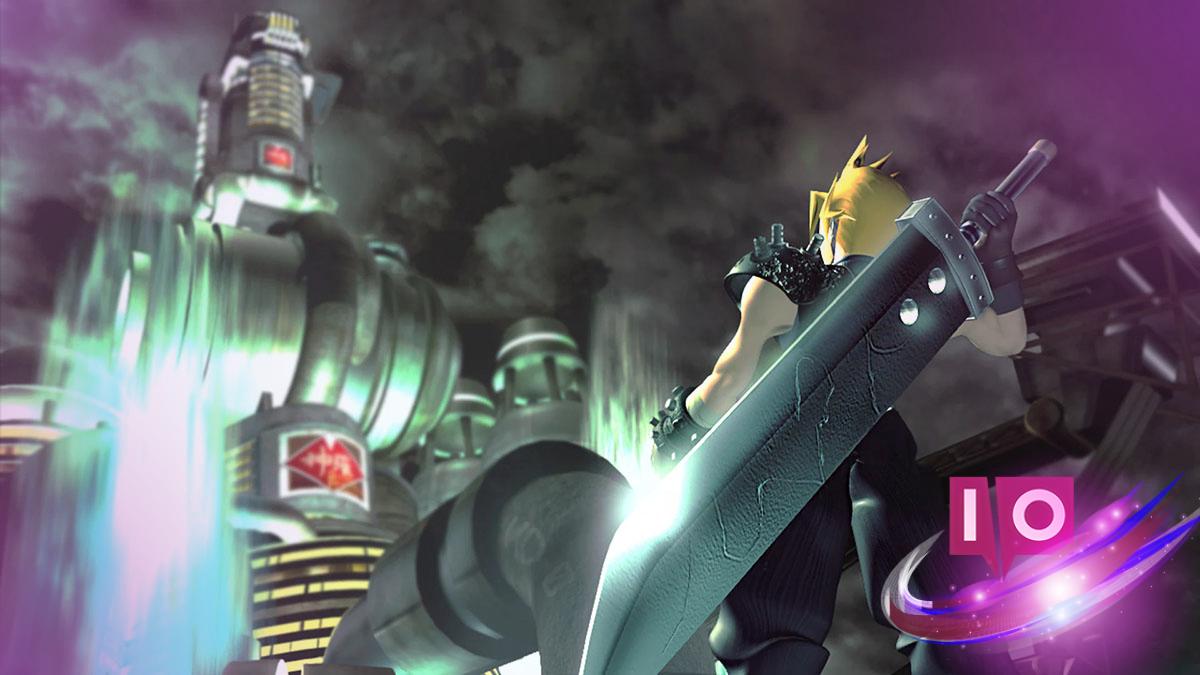
I clicked Install and watched the progress bar sit at zero bytes. My Discord filled with screenshots, then with anger. For a game that still matters to millions, that moment felt like betrayal.
I’ve covered launches for two decades, and you can tell when something was rushed: the small failures compound until the whole thing stutters. You and I both remember Final Fantasy VII as a cultural landmark; the Steam re-release that landed on Feb. 24 promised a clean return but delivered a series of avoidable stumbles.
I was so confused when I saw I had received the new version but saw no install size, thought it might have been a steam bug, but no it wasn’t lmaoThis has to be one of the funniest fuckups I have ever seen https://t.co/2lyYCxYqz0
— zizo (@Zizoplays1) February 24, 2026
My inbox filled with Steam screenshots the morning after launch — The re-release shipped with technical and UX regressions.
When a launcher keeps stealing input while the game runs full screen, you don’t call it a quirk; you call it broken. Players report forced launchers that respond to keystrokes meant for the game, audio stutters, and combat that feels off because the FPS cap was pushed from 15 to 30 without retiming animations. The result is fights that feel twice as fast, voices and sound effects slipping out of sync, and an experience that betrays the original pacing.
The most embarrassing gaffe came first: the initial build on Steam showed a download size of zero bytes — as if the package never uploaded. Square fixed that part, but the emotional damage was done. Trust erodes faster than a developer can patch a DLL.
Why are players leaving negative reviews on Steam?
Because expectations were high. The 2013 re-release held a 92 percent “Overwhelmingly Positive” user score on Steam, and it included quality-of-life graphical fixes that this new release lacks. Now the 2013 version has been delisted to make room for the new one, and many players feel stripped of a stable option they relied on.
A friend in my Discord paid for the “definitive” edition that promised modernization — Instead, several QoL features are missing or worse.
You can be nostalgic and still ask for basic standards: configurable resolution, stable audio, and unintrusive launchers. Those are the very things users say regressed. The attempted framerate improvement demonstrates how a single change in a legacy codebase can ripple into mismatched animation timing and doubled-up cutscenes.
Steam and GOG both carry this re-release, so the problem isn’t isolated to Valve’s storefront; it’s the build itself. Players are posting side-by-side clips on Twitter, Reddit, and Discord that show what was working in 2013 but now breaks, and that makes the complaint feel less like nitpicking and more like a valid consumer grievance.
Is the game broken or just a rough launch?
Some issues have already been patched — animation speed fixes landed for certain cutscenes and framerate problems — which shows Square is responding. But hotfixes won’t repair a perception problem. For many fans, the real wound is that the old, beloved version was removed while the new one arrived in a state that demands more fixes than features.
Square pushed patches overnight and engineers are active on the forums — The path to repair will be technical and reputational.
When an update addresses a dozen small bugs but introduces two major gameplay regressions, you’re left asking whether QA and release strategy were adequate. I’ve watched studios recover from worse, but recovery requires transparent timelines, prioritizing fixes that restore the original pacing, and clear communication with communities on Steam, GOG, and social platforms like Twitter and Discord.
The launcher problem behaves like a stray radio cutting into your broadcast, interrupting the immersion. The whole release now feels like a house of cards: the smallest mismatch in timing or audio risks toppling the experience for longtime players.
At stake is more than a Steam rating. This is about trust between a legacy developer and the players who kept the franchise alive. You can forgive a bug; you rarely forgive a perceived betrayal of care.
Square’s immediate response shows they have the capacity to fix the technical debt. The lingering question is whether they’ll match that speed with the humility and transparency the community expects. Are you ready to forgive this re-release, or will you hold Square’s next remaster to a sterner standard?