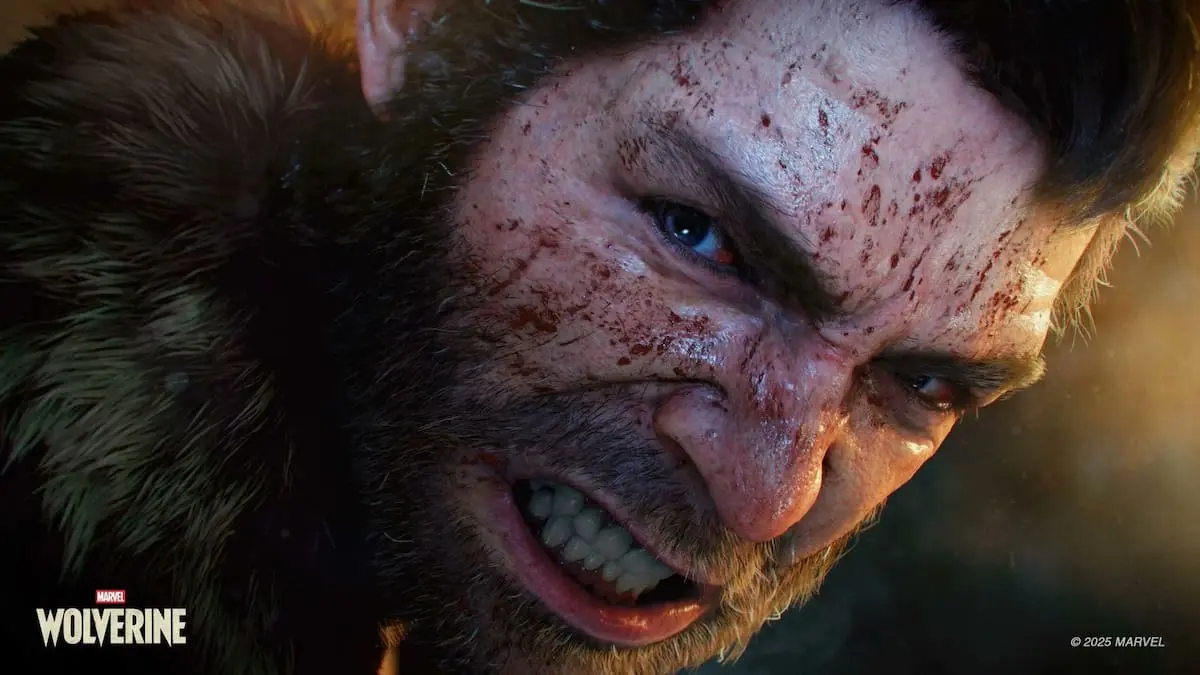
I heard the line on a podcast and stopped mid-scroll. Jason Schreier said he wouldn’t be surprised if Wolverine never came to PC. The claim hit like a dropped console in a quiet room.
I’ll be direct with you: I follow these corridors. You want clear signals, and I’ll point to the ones that matter.
Triple Click: Schreier said Sony could pull back from PC ports
On the Triple Click podcast, veteran reporter Jason Schreier passed along what he’s heard inside Sony: a tightening of the window between PlayStation exclusivity and PC ports, and in some cases, no port at all. Schreier framed Wolverine as a bellwether—“I wouldn’t be surprised if it never came to PC,” he said—putting a first-party Insomniac tentpole at the heart of the rumor.
That’s not idle speculation from a forum poster. Schreier explicitly told listeners he’s sharing sourced information that isn’t yet a full report. In practice, that means the industry may be watching a slow retraction rather than a sudden flip.
Will Wolverine come to PC?
Short answer: maybe, but not soon. Insomniac’s work is undeniably valuable to Sony’s PlayStation brand. If Sony decides to keep marquee singleplayer releases on console for longer—or indefinitely—Wolverine would be the most logical place to test the policy.
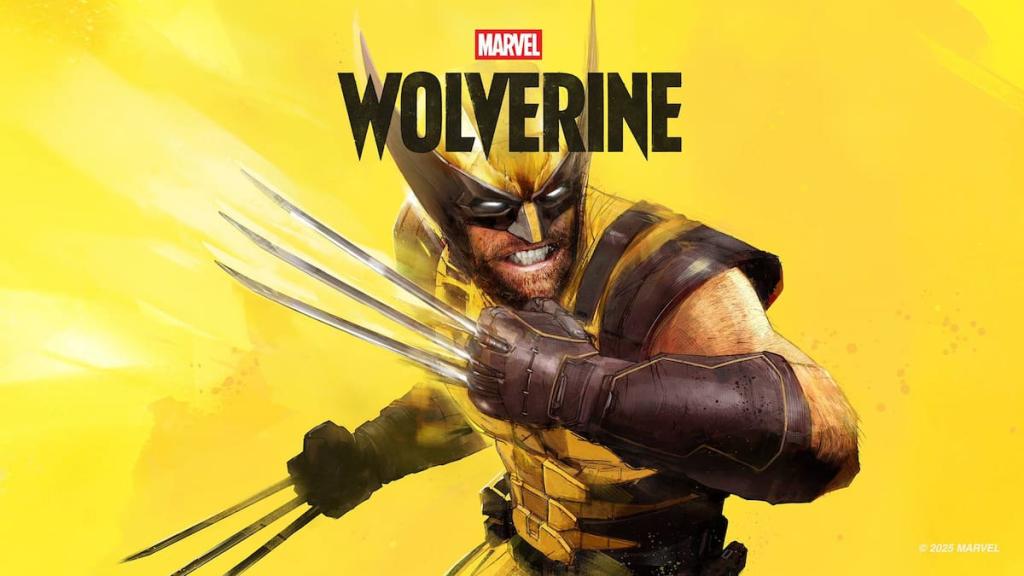
Sony shut down Bluepoint and sharpened first-party focus
Sony closed Bluepoint this year, signaling a shift away from remakes toward big-budget, exclusive blockbusters. That move reads on paper as a company concentrating resources where it can most convincingly defend PlayStation hardware.
If you run a console platform, you protect your strongest tiles. For Sony, keeping certain singleplayer pillars on PlayStation—at least for longer—makes strategic sense. The company can still port some games later, but the calculus on what goes to PC and when is changing.
Why would Sony stop porting to PC?
Revenue matters, but so does market position. PC ports have produced strong returns for Sony at times, but not always. For example, Spider-Man 2 peaked at about 28,000 concurrent players on Steam versus more than 66,000 for the first Spider-Man port. Those figures force a question: are the gains from every port worth diluting the console-exclusive draw?
Executive churn at Xbox and the wider industry pressure
Phil Spencer’s retirement and the arrival of Asha Sharma at Xbox have rippled through the competitive landscape. Microsoft’s emphasis on day-one releases for Game Pass and subscription tactics was a clear gambit to compete with Sony’s hardware-led loyalty.
Those corporate moves create pressure in both directions. Sony may see Xbox’s pivots as a reason to protect PlayStation’s identity, and Microsoft may double down on services to counter a tightened Sony strategy. The market is rebalancing while studios and publishers hedge.
How will this affect PC players and Steam?
Short-term, PC players could lose early access to marquee singleplayer games. Steam and other PC storefronts would still host later ports, but the exclusivity window is part of what sustains console sales. If Sony widens that window, Steam’s calendar could look leaner for major first-party releases.
Layoffs, AI, and the shrinking appetite for risk
Hundreds of layoffs across the industry this year have changed risk calculus at publishers and platform holders. Boards want predictable revenue lines and fewer creative experiments that don’t pay back quickly.
That pressure can starve PC ports of priority. When teams and budgets tighten, companies keep what most directly defends their platform. You’ve seen the signs: fewer outside bets, more in-house investment in franchise titles.
I won’t pretend this is simple. The console wars are becoming a game of selective generosity—who gets what, when, and why. Sony’s strategy shifted like a lighthouse turning its beam away from the shore.
For now, you should watch three things: official word from Sony and Insomniac, Steam numbers after any future ports, and how Microsoft under Asha Sharma answers the move. If Sony quietly makes exclusivity a longer rule, PC fans will feel the squeeze—but indie developers will still fill some of the gaps.
Which side do you think will blink first in the next wave of console politics?