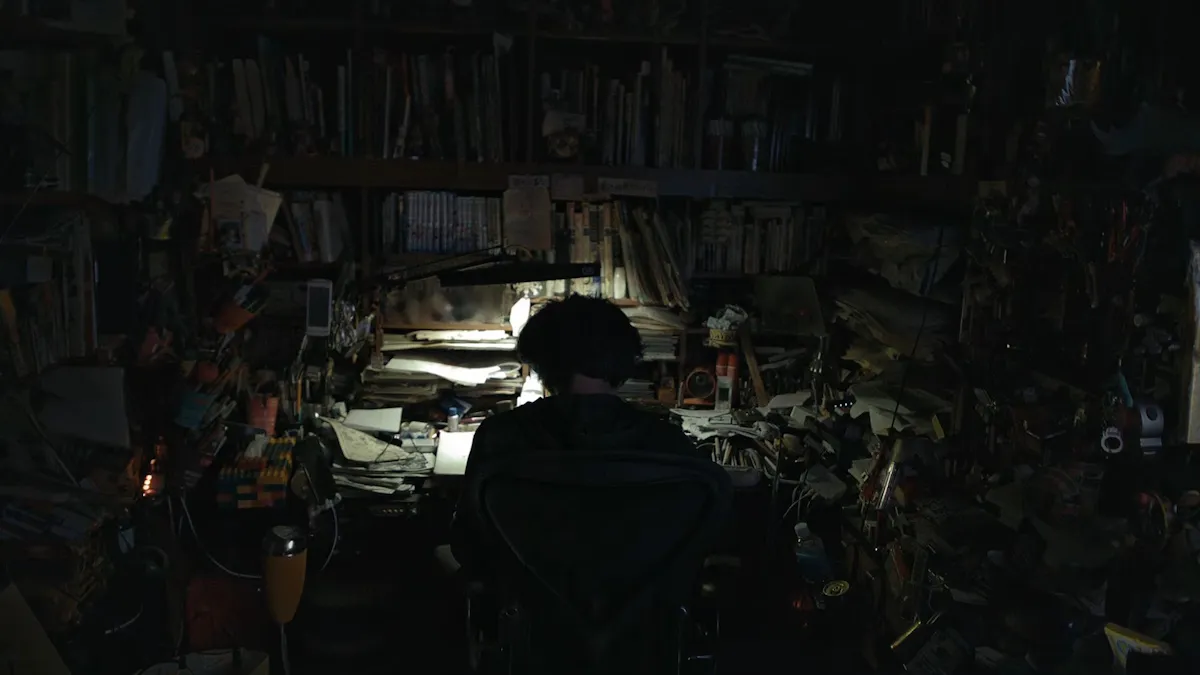
I was watching the upload with a fresh cup of coffee when the screen dropped the line that made the chat explode. You felt it too — that sudden hush when decades of speculation become a deliberate act. Eiichiro Oda didn’t just tease an ending; he locked it away.
In a crowded announcement reel at a record-break milestone — Eiichiro Oda Has Already Written the Ending of One Piece and It’s Hidden Under the Sea Now
I want to be blunt with you: this is a theatrical move. After volume 114 pushed One Piece past 600 million copies sold worldwide, the staff released a short film that did something unexpected — Oda wrote the truth about the ending on paper, placed it in a custom treasure chest, and sank that chest to an unknown spot on the ocean floor.
The reveal is both a celebration of sales and a deliberate act of myth-making. YouTube carries the film; social channels exploded within minutes. Shueisha, Toei Animation, Viz Media and streaming platforms like Netflix (which just pushed One Piece into mainstream conversation with its live-action adaptation) all have skin in this narrative now.
Has Eiichiro Oda already written the ending of One Piece?
You should assume yes. Oda’s announcement says the final truth exists on paper inside a chest at sea — he wrote it and sealed it. His career-long pattern of plotting and payoffs makes the claim credible; he’s never treated the story carelessly. The act feels symbolic: a creator placing a final signature where only the world could physically go look. It’s an authorial flourish that changes speculation into a provable statement, though the proof will remain off-limits until the official endpoint.
At press screens and online threads fans reacted instantly — what the chest means, practically and culturally
I’ve been in fandom spaces for years; this isn’t mere PR. Oda has invited the world into a scavenger story that echoes the manga’s themes. By burying the physical answer, he converted a private ending into a public myth. The chest references Gol D. Roger’s original act and reframes the finale as a shared cultural object rather than a secret locked in an office.
That move turns the ending into fan labor: scholars, theorists, and casual readers will debate motives, while salvage buffs and content creators will plot logistics. Twitter/X threads will swarm with coordinates, amateur cartographers will overlay ocean charts, and YouTube creators will monetize every hopeful expedition.
Where is the One Piece ending hidden?
Oda kept the coordinates secret. The official line is clear: the chest lies somewhere on the ocean floor, unknown and unrevealed until the series ends. Practically speaking, the search raises real-world questions: can hobby divers, professional salvage teams with ROVs, or state agencies find it? The answer is yes, technically — but the ocean is vast and costly to comb. Expect rumors, false leads, and viral “discoveries” that end up being ordinary debris. Platforms like YouTube and X will be the megaphone for any supposed find, whether genuine or staged.
At fan conventions and Discord servers the debate is already heating up — will this mean the manga is near its end?
I’ve read the signals Oda’s given over the years: hints of a final saga, a tightening of plot threads, and now this ceremonial burial. The chest doesn’t guarantee a release date, but it signals Oda’s confidence that the end will arrive in a timeframe he trusts. The marketing sync with volume 114’s milestone and the live-action Season 2 buzz on Netflix reads like a coordinated crescendo — a classic creator choosing a moment to amplify closure.
Will someone find the treasure before the manga ends?
You can’t rule it out. The sea has surprised us before, and motivated groups with money and tech can locate remarkable things. Still, the chest was presented as a symbol meant to be opened at the story’s end; anybody who finds it early would confront legal, ethical, and publicity landmines. Whoever tries will be chased by global attention, scrutiny from publishers like Shueisha and Viz Media, and a fandom ready to fact-check every claim.
I’m telling you this as someone who watches how stories become events: Oda turned the ending into an artifact, and that choice will shape the final years of One Piece’s cultural life. Will the chest change how we read the ending when it finally appears, or will it remain an irresistible, unsolved lure for years to come?