
I watched Loki stand alone on one side of a stage while six players tried to bring him down. The room hummed with trailers and the scent of popcorn—an MCU pep rally in the body of a live game demo. I felt the old thrill and a small, skeptical itch at the same time.
I’m the kind of fan who lined up for midnight premieres, and I’m also the kind of player who reads patch notes at 2 a.m. You and I both know when something is pure promotion and when it’s also a play for fun. NetEase’s new roadmap for Marvel Rivals sits squarely in that border, and I want to explain why that’s not a bad thing.
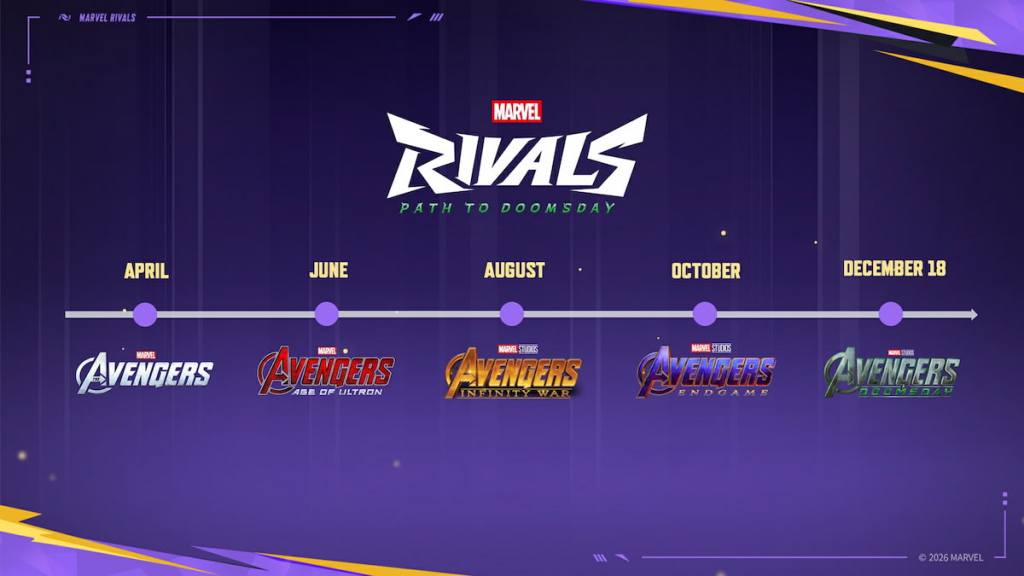
At a packed LA showcase, NetEase mapped a year of MCU events onto Rivals.
They called it Path to Doomsday, and every beat ties to a big screen moment between now and December. That straight-line marketing could have felt clumsy, but instead it reads like a billboard stretched across the sky: loud, unavoidable, and oddly festive.
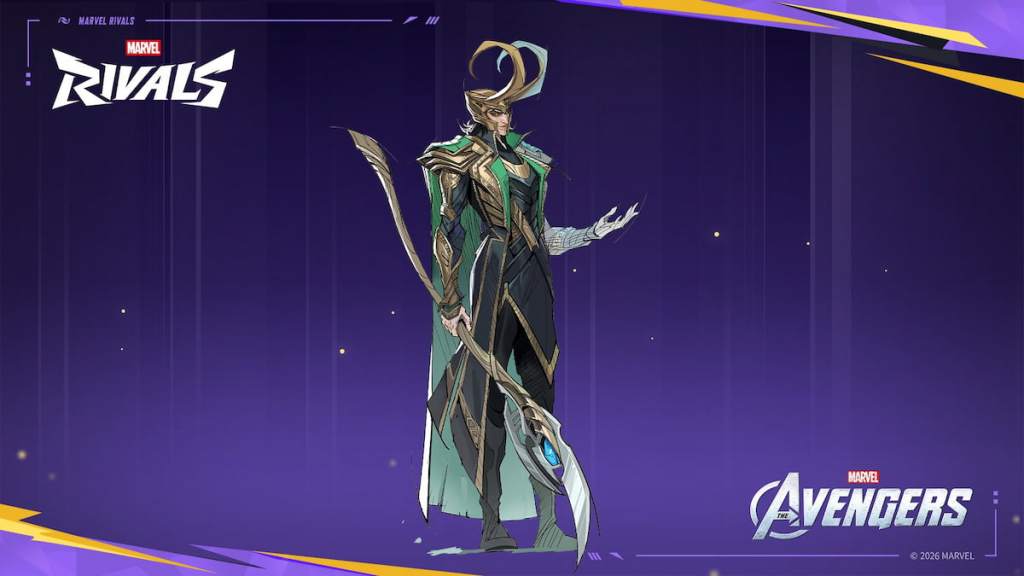
First up is an homage to the 2012 Avengers with a Loki skin and a fresh asymmetrical mode. One player becomes Loki; six others play heroes who can summon Hulk under scripted conditions to reenact a famous scene. NetEase framed it as both a celebration and a gameplay twist—an attempt to blend nostalgia with competitive design.
How does Marvel Rivals tie into MCU movies?
NetEase and Marvel Studios are coordinating a calendar of in-game events that mirror the MCU’s promotional cycle. Expect themed skins, limited modes, and character drops timed around films like Age of Ultron, Infinity War, Endgame, and the December finale Avengers: Doomsday. The idea is simple: players get fresh content on Steam and mobile storefronts while the movies get extra cultural noise from a living game.
On the stage, the Loki demo felt like a design experiment in public.
The asymmetrical match forces different skill sets and social play, and that’s smart design. I’ve watched six-versus-one setups before, and when they work, matches feel cinematic and tense.
Mechanically, giving Loki Infinity Stone powers and deception tools flips the usual combat loop. Heroes must coordinate, use environment triggers to pull Hulk, and manage chaos—this isn’t just cosmetic theater. It’s a gameplay ladder that makes players re-evaluate team roles and timing under pressure.
Will Rivals add new characters from Avengers: Doomsday?
Short answer: very likely. NetEase has a long roster roadmap, and tying character releases to movie beats is exactly the sort of cross-pollination Marvel prefers. If the film brings X-Men into the mainstream tent and Robert Downey Jr. shows up as Doctor Doom, expect copies of that energy to hit the game.
I don’t have a list of guaranteed drops, but watch for cinematic heroes—someone like Cyclops or a Doom variant shows up in December—because the game profits from cultural momentum as much as microtransactions and matchmaking polish.
Server logs and player charts show the usual post-launch dip, but updates still arrive fast.
NetEase’s content cadence is steady: a monthly hero, fresh maps, skins, and systems that keep players coming back. Season 7 reportedly adds Black Cat and White Fox, which is the kind of variety that prevents the roster from feeling stale.
This strategy treats the game as both product and platform. It’s a marketing amplifier for the MCU and a living service that needs player retention and revenue. The dual purpose makes the game a Trojan horse of sorts—bringing movie buzz into matchmade sessions without pretending the game isn’t a business.
I like that feeling of a franchise feeding itself. You and I can argue whether this is pure advertising or a smart integration of two entertainment machines, but either way it gives players more reasons to jump back in—and it gives the MCU another channel to win attention. Is that clever synergy, or the beginning of too much cross-promotion?