
I queued into a ranked Marvel Rivals match and the scoreboard read like a confession. I watched teammates rack up 50-plus deaths with zero eliminations. You feel your rank evaporate in real time.
I’ve been covering competitive play long enough to know when a loss is bad luck and when it’s been bought. You should care because this isn’t random griefing — it’s organized, incentivized, and visible.
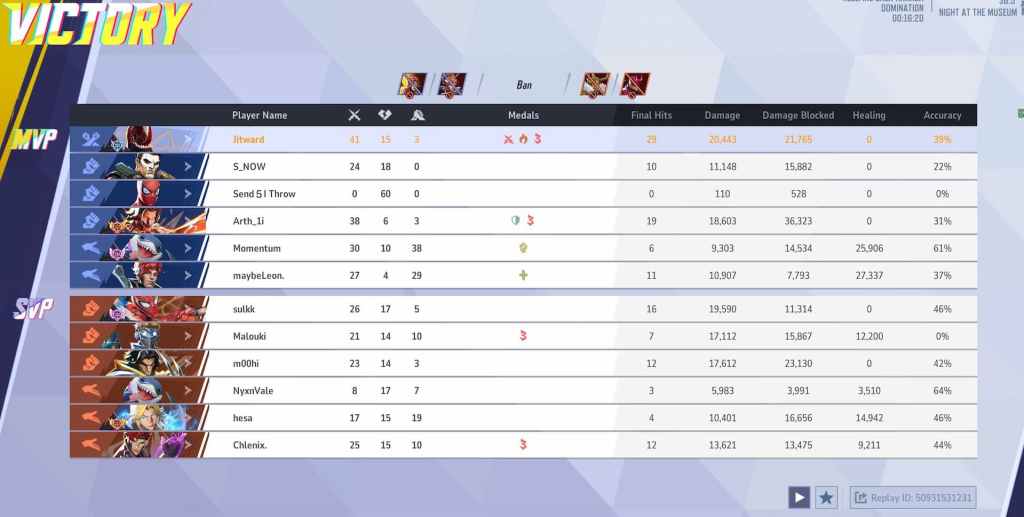
Three teammates logged 0 kills and 50+ deaths in a single lobby.
That’s the screenshot Flats posted to Twitter/X — blatant, almost theatrical. He’s a creator with reach, and his images pulled a single thread that exposed a wider system: third-party sites posting bounties to join specific players’ lobbies and intentionally throw matches.
Those posts offered small payouts — sometimes tens of USD ($10 (€9)) — to anyone willing to queue with a named player and tank the match. The motives vary: rank sabotage, personal vendettas, or a cash-for-loss market where a few dollars buys someone your rank. The result is the same: your game stops being a contest and becomes a transaction.
How do bounties work in Marvel Rivals?
People put up offers on external platforms or Discord channels, listing targets and payment. Others accept, join the target’s public lobby, and deliberately feed or idle to force losses. The mechanics are low-tech: queue systems, casual matches, and players who don’t care about their own accounts.
A content creator shared multiple scoreboards and the community reacted within hours.
Flats’ screenshots acted as an accelerant: other players began posting similar evidence and threads on X. The virality forced NetEase to respond with a public statement promising investigation and enforcement.
NetEase’s message was firm. They described a “zero-tolerance policy” for malicious disruption and announced a specialized investigation protocol to identify negative gameplay linked to external bounties. Their warning included account penalties up to permanent bans, and the signal was clear: if money is changing hands, this could escalate beyond in-game discipline and into legal territory — NetEase even hinted at calling in legal support.
Can players be banned for throwing in Marvel Rivals?
Yes. NetEase explicitly listed disruptive behaviors — malicious idling (AFK) and intentionally throwing matches — as grounds for “significant penalties following reporting and verification.” If you’re part of an arranged throw, you risk losing your account and progress.
Players found bounty posts on third-party sites and Discord servers.
Those posts are the marketplace for the problem. You don’t need sophisticated hacking or match-fixing rings — just a public lobby, a few willing participants, and payment arranged off-platform. The economics are small-scale and ugly: micro-payments for macro-damage to competitive integrity.
NetEase said players should report suspected throwers so incidents can be verified and punished. Reports matter here because the game’s anti-abuse systems still need human signals to prioritize investigations. Content creators like Flats act as accelerants for enforcement; when a clip goes viral, companies move faster.
This behavior is like hiring arsonists to torch your own scoreboard — short-term payoffs, long-term wreckage. And until reporting and automated detection get better, the community itself becomes the first line of defense.
Practical steps you can take: screenshot scoreboards, clip replays, collect timestamps, and file reports through the in-game tools and NetEase support channels. Share evidence with trusted creators or community moderators rather than posting doxxing-style calls for retribution on public servers. If you see a bounty post, screenshot it and send it to the official support route; a linked thread can be the smoking gun investigators need.
NetEase has the authority, community pressure supplies the evidence, and creators amplify the signal. But enforcement needs scale: automated detection for patterns of idling, cross-referencing reports with external posts, and a willingness to pursue bans or legal routes when money is involved. If the developer follows through, those who trade wins for cash will lose more than rank — they could lose accounts and face legal exposure.
This problem is a leaky dam for competitive integrity; every thrown match drains a little more trust from the ladder. If you play Marvel Rivals, you can help by reporting, archiving evidence, and refusing invitations to suspicious lobbies — or by calling out bounty posts when you see them.
Do you want a ranked ladder that rewards skill, or a market that pays for sabotage?